
Skincare Routine by Age: The Complete Science-Based Guide for Healthy, Glowing Skin (2026)
Discover the best skincare routine by age — from your 20s to 50s+. Science-based guide with decade-by-decade routines, key ingredients, mistakes to avoid & product recommendations.
Last updated: May 20, 2026
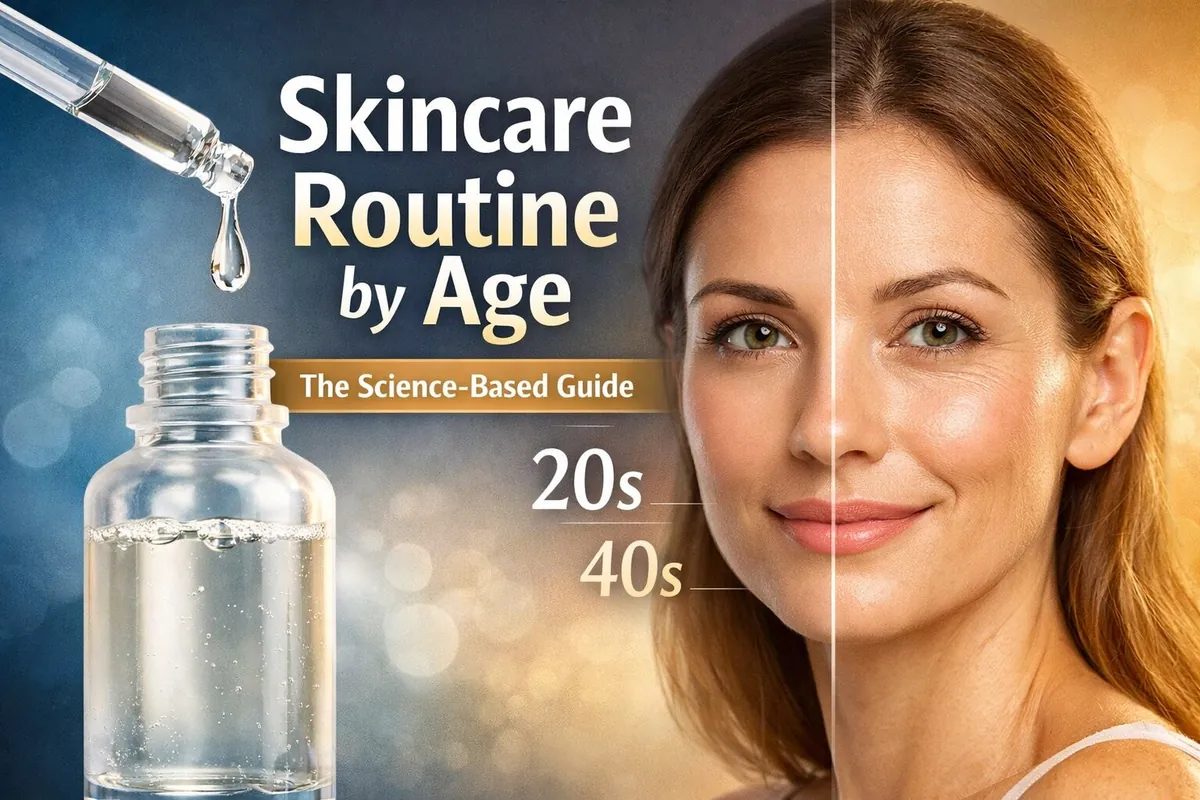
Healthy glowing skin is not about doing what is popular. It's about knowing how your skin changes as you age. Your skin is different now than it was 10 years ago — and it will be different in 10 years from now. Understanding these changes is key to building an effective routine.
One of the biggest myths in skincare is that if your routine works in your 20s, it will work forever. It just isn't true. Your skin in your 20s is fundamentally different from your skin in your 40s or 50s — and that's why an age-appropriate skincare routine isn't a luxury, it's a necessity.
Dermatologists recommend adjusting your routine as you get older to protect, repair, and support your skin at every stage. This guide breaks down exactly what your skin needs — decade by decade — based on science, not hype.
Before diving in, make sure you understand the 7 most dangerous skincare mistakes that damage skin at any age.
In Your 20s: Prevention & Skin Barrier Protection
Your 20s are your "investment years." Collagen production is still strong, oil production is relatively balanced, and your skin can recover quickly. But damage — especially from UV rays — starts silently.
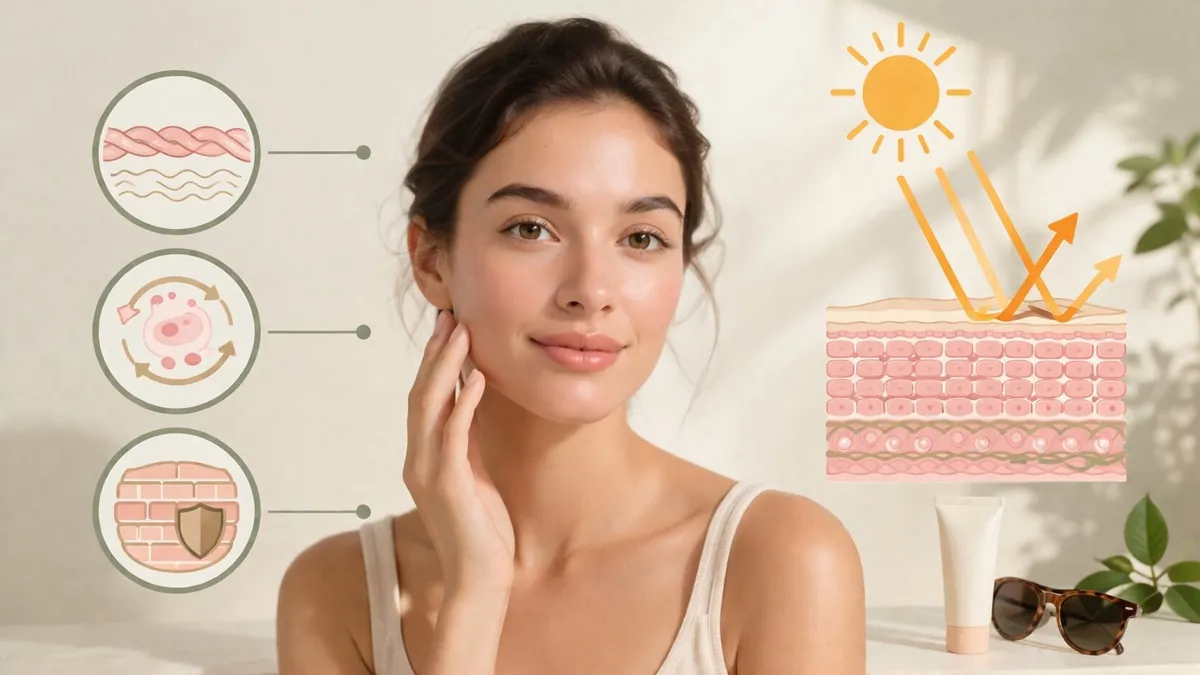
What's Happening Biologically?
- High collagen and elastin levels
- Faster cell turnover
- Stronger skin barrier (but still vulnerable to damage)
Daily Skincare Routine (20s)
| Step | Morning Routine | Night Routine |
|---|---|---|
| Cleanser | Gentle, sulfate-free cleanser | Same cleanser |
| Treatment | Vitamin C (optional) | Retinol (2–3x/week, beginner strength) |
| Moisturizer | Lightweight, hydrating | Barrier-support moisturizer |
| Protection | SPF 30+ (non-negotiable) | — |
Why This Works
- Sunscreen prevents up to 80–90% of premature aging signs
- Retinol boosts cell turnover early, delaying fine lines
- Hydration maintains barrier integrity and glow
Common Mistakes in Your 20s
- Over-exfoliating (damages skin barrier)
- Skipping sunscreen indoors
- Using too many "viral" products at once
Lifestyle Tips
Clinical studies show that diet impacts skin inflammation:
- Omega-3s (fish, walnuts) improve barrier function
- Antioxidants (berries, greens) reduce oxidative stress
- Sleep (7–9 hours) supports overnight repair
If you're dealing with breakouts in your 20s, check out our acne skincare tips guide — many of the same principles apply.
In Your 30s: Early Aging & Skin Repair
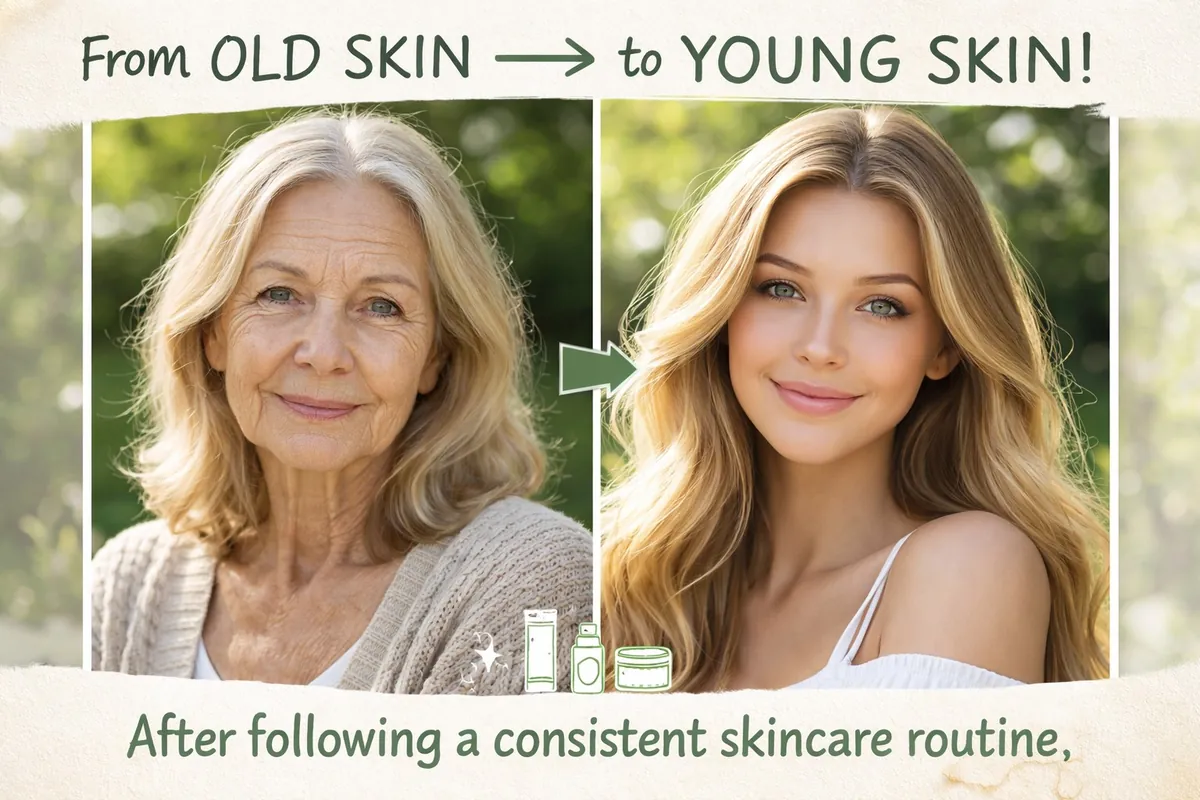
This is when subtle changes begin. You might notice fine lines, dullness, or uneven tone. Collagen production decreases by about 1% per year after your mid-20s.
What's Changing?
- Slower collagen synthesis
- Reduced elasticity
- Early pigmentation issues
Daily Skincare Routine (30s)
| Step | Morning Routine | Night Routine |
|---|---|---|
| Cleanser | Gentle cleanser | Same |
| Treatment | Vitamin C + Niacinamide | Retinol (regular use) |
| Moisturizer | Hydrating + peptides | Repair-focused cream |
| Protection | SPF 30–50 | — |
Key Ingredients Explained
- Vitamin C: Brightens and protects against environmental damage
- Niacinamide: Reduces pores, improves tone
- Peptides: Support collagen production
Weekly Additions
- Exfoliation (AHA/BHA) → 1–2x per week
- Hydrating masks → boost glow
Common Mistakes in Your 30s
- Ignoring early pigmentation
- Inconsistent retinol use
- Not targeting specific concerns
Not sure which ingredients to layer together? Use our Skincare Ingredient Conflict Checker to make sure your combinations are safe.
In Your 40s: Firmness, Elasticity & Deep Hydration

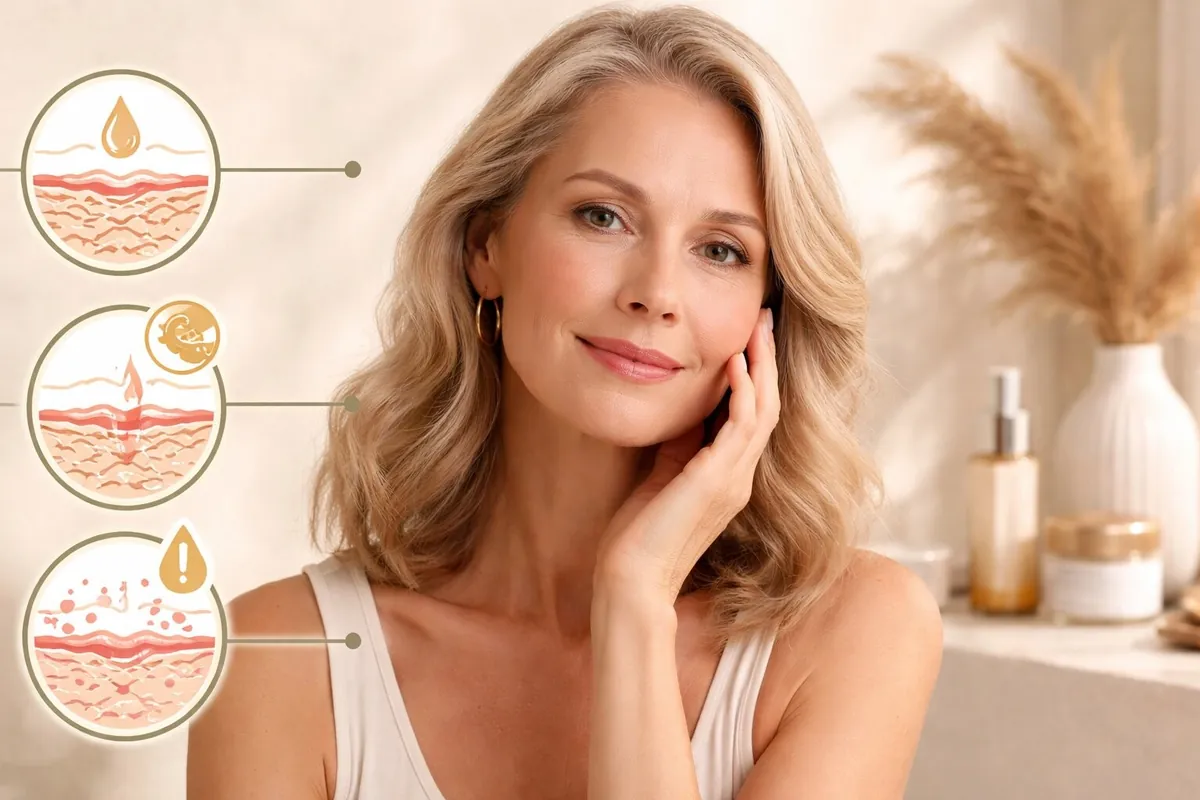
By your 40s, structural changes become more visible. Skin loses volume, elasticity declines, and dryness increases.
What's Happening?
- Significant collagen loss
- Thinner skin layers
- Reduced natural oil production
Daily Skincare Routine (40s)
| Step | Morning Routine | Night Routine |
|---|---|---|
| Cleanser | Cream-based cleanser | Same |
| Treatment | Vitamin C + antioxidants | Retinoids |
| Moisturizer | Ceramide-rich cream | Deep repair moisturizer |
| Protection | SPF 50 | — |
Hydration Layering Strategy
- Apply hydrating serum (hyaluronic acid)
- Lock with moisturizer (ceramides/squalane)
- Seal with SPF (morning)
Why It Matters
- Ceramides restore skin barrier
- Retinoids stimulate collagen
- Antioxidants reduce oxidative stress
Professional Treatments
Dermatologists often recommend:
- Microneedling → boosts collagen
- Laser therapy → improves texture & pigmentation
- Chemical peels → renew surface skin
Learn more about which skincare ingredients give you glowing skin at any age.
In Your 50s & Beyond: Restoration & Skin Support
Hormonal changes — especially reduced estrogen — have a major impact on skin health. Dryness, thinning, and sagging become more noticeable.
Biological Changes
- Estrogen-related moisture loss
- Thinner, more fragile skin
- Increased sensitivity and dryness
Daily Skincare Routine (50+)
| Step | Morning Routine | Night Routine |
|---|---|---|
| Cleanser | Hydrating, non-foaming | Same |
| Treatment | Antioxidants | Retinoids (gentle) |
| Moisturizer | Rich, nourishing cream | Barrier repair cream |
| Protection | SPF 50+ | — |
What Your Skin Needs Now
- Deep hydration
- Barrier repair
- Anti-inflammatory ingredients
Cosmetic Treatments (Educational)
- Botox: Softens dynamic wrinkles
- Dermal fillers: Restores lost volume
- Laser resurfacing: Improves tone and texture
Best Ingredients by Age (Quick Comparison)
| Age Group | Must-Have Ingredients |
|---|---|
| 20s | Hyaluronic acid, SPF, gentle retinol |
| 30s | Vitamin C, niacinamide, peptides |
| 40s | Retinoids, ceramides, antioxidants |
| 50+ | Peptides, fatty acids, barrier creams |
Wondering if your ingredients work together? Check ingredient compatibility with our free tool.
Common Skincare Mistakes by Age
20s: Following trends instead of science
30s: Delaying anti-aging care
40s: Not increasing hydration
50+: Using harsh actives without barrier support
Expert Tips
"Consistency beats expensive products — always."
"Sunscreen is your best anti-aging investment."
"Introduce actives slowly — especially retinol."
"Your skin barrier is everything — protect it."
Recommended Products for Every Age
CeraVe Daily Moisturizing Lotion
Lightweight moisturizer with hyaluronic acid and ceramides. Perfect for your 20s — hydrates without clogging pores.
Timeless 20% Vitamin C + E Ferulic Acid Serum
Clinical-grade Vitamin C serum that brightens, protects against environmental damage, and boosts collagen. Ideal from your 30s onward.
CeraVe Retinol Serum
Gentle retinol serum with ceramides and niacinamide. Great starter retinol for your 20s–30s that won't destroy your barrier.
Neutrogena Rapid Wrinkle Repair Retinol Cream
Retinol face moisturizer with hyaluronic acid for fine lines and wrinkles. Excellent for your 30s–40s anti-aging routine.
EltaMD UV Clear SPF 46 Sunscreen
Widely recommended mineral sunscreen with niacinamide. Your #1 anti-aging investment at every age.
COSRX Snail Mucin 92% Moisturizer
Rich, nourishing cream with snail mucin for deep hydration and barrier repair. Perfect for 40s–50s+ skin that needs intense moisture.
As an Amazon Associate, we earn from qualifying purchases. Product prices and availability are subject to change.
Final Thoughts: The Secret to Long-Term Glowing Skin
No matter your age, the goal isn't perfection — it's healthy, resilient skin.
- In your 20s, you protect.
- In your 30s, you correct.
- In your 40s, you strengthen.
- In your 50s and beyond, you restore.
Clinical studies and real-world results both confirm one thing: A consistent, age-appropriate glowing skin routine will always outperform expensive, inconsistent skincare.
Start where you are. Adjust as you age. And most importantly — stay consistent. Use our free ingredient checker to make sure your products work safely together.