
Acne Skincare Tips for Teenagers: Complete Routine, Causes & Best Treatments (2026 Guide)
The complete guide to teen acne — understand what causes it, the best skincare routine to adopt, proven ingredients, and expert-approved tips to finally gain control over your skin.
Last updated: May 20, 2026
Acne is one of the most frustrating skin issues during the teenage years. You are not alone if you struggle with persistent breakouts, oily skin, or pimples that are difficult to get rid of. Hormonal changes cause virtually all teens to have some type of acne vulgaris.
The good news? Acne can be controlled. With the right skincare regimen, products, and practices, you can have healthier, clearer skin. This guide covers everything you need to know.
👉 Want to check if your current skincare ingredients are safe to use together? Try our free Ingredient Conflict Checker
What Causes Acne in Teenagers?
Understanding acne is the first step to treating it effectively. Here are the primary causes:
1. Hormonal Imbalance
At puberty, your body releases additional androgens (hormones). This causes hyperplasia of the sebaceous glands, producing a lot of oil (sebum).
2. Excess Oil (Sebum Production)
Excessive oil blocks pores, creating an ideal environment for acne-causing bacteria.
3. Bacteria Growth
Propionibacterium acnes bacteria grows in clogged pores, producing inflammation and pimples.
4. Dead Skin Cell Buildup
Pores become blocked when dead skin cells fail to shed naturally.
5. Diet & Lifestyle
High-sugar foods, dairy (for some people), stress, and lack of sleep all contribute to breakouts.
👉 All these factors together lead to breakouts. Learn more about common skincare mistakes that make acne worse.
Best Skincare Routine for Acne-Prone Teenagers (AM + PM)
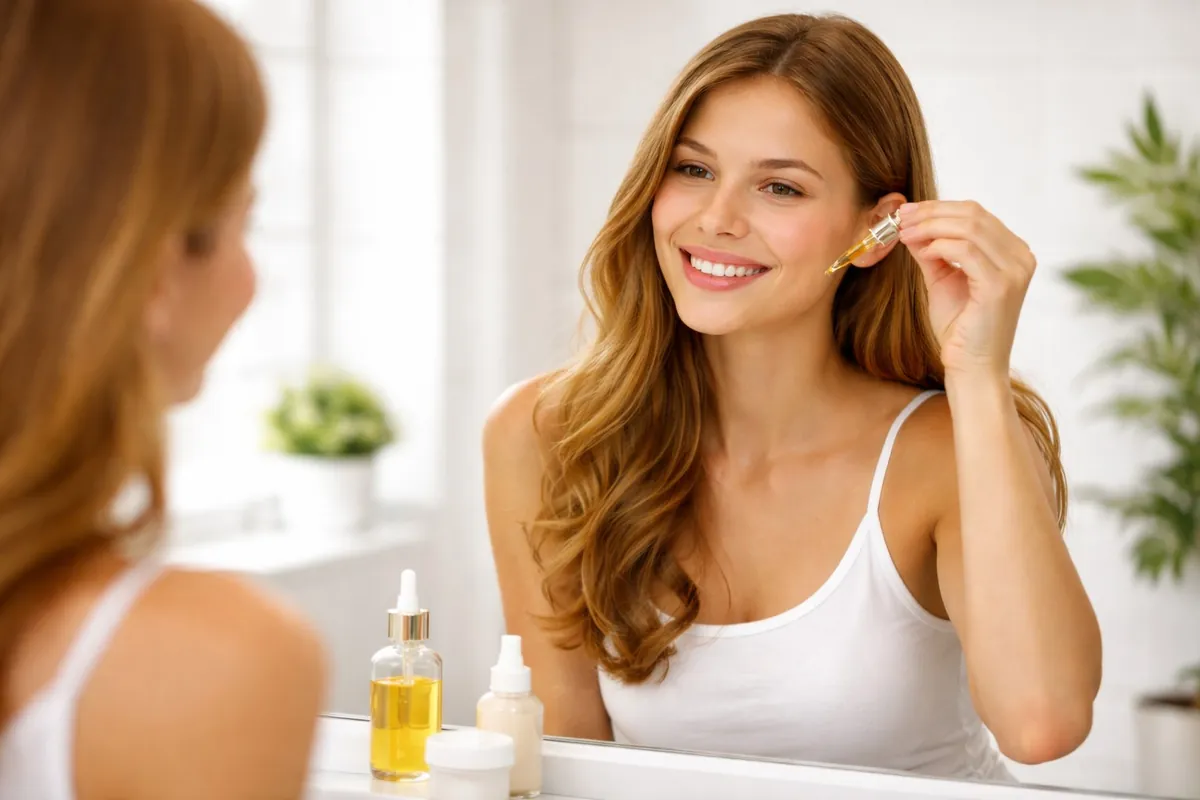
☀️ Morning Routine (AM)
Gentle Cleanser
Use a sulfate-free cleanser — removes oil & dirt without irritation
Treatment (Optional)
Use salicylic acid if you have blackheads — helps unclog pores
Lightweight Moisturizer
Oil-free, non-comedogenic formula to keep skin hydrated
Sunscreen (Must!)
SPF 30+ gel-based or water-based — prevents dark spots & irritation
🌙 Evening Routine (PM)
Gentle Cleanser
Same cleanser as morning — removes the day's oil & grime
Treatment (Active)
Apply retinoid or benzoyl peroxide for deeper treatment
Moisturizer
Lock in hydration — even oily skin needs moisture at night
👉 Consistency = results. Stick to this routine for at least 4–6 weeks before judging results. See the best ingredients for glowing skin
Best Ingredients for Teen Acne (Research-Backed)
Salicylic Acid
Unclogs pores, reduces blackheads & whiteheads
→ See niacinamide + salicylic acid comboBenzoyl Peroxide
Kills acne-causing bacteria, reduces inflammation
→ Check retinol + benzoyl peroxide safetyZinc
Reduces inflammation, helps heal acne faster
👉 These ingredients are commonly recommended by dermatologists. Always check ingredient compatibility before combining actives.
Do's and Don'ts for Teen Acne
Do's
- ✅ Wash face twice daily
- ✅ Use oil-free skincare
- ✅ Change pillowcases regularly
- ✅ Stay hydrated
- ✅ Follow a consistent routine
Don'ts
- ❌ Don't over-wash your face
- ❌ Don't pop pimples (causes scars)
- ❌ Avoid harsh scrubs
- ❌ Don't skip moisturizer
- ❌ Don't follow random TikTok trends
Common Skincare Mistakes Teens Make
Most teens unknowingly make these mistakes:
👉 Keep it simple. A basic routine beats a complicated one every time. Read our 7 dangerous skincare mistakes guide for more details.
Diet & Lifestyle for Clear Skin
Your skin reflects your lifestyle.
🥗 Eat More:
- 🍊 Fruits & vegetables (Vitamin A, C)
- 🥜 Nuts & seeds (Zinc)
- 💧 Water (hydration)
🚫 Avoid:
- 🥤 Sugary drinks
- 🍔 Junk food
- 🍞 Processed carbs
👉 A balanced diet supports healthy skin from inside. Learn about the best ingredients for glowing skin.
Acne Myths vs Facts
Myth: Acne is caused by dirty skin
Fact: It's caused by hormones, oil, and bacteria — not dirt.
Myth: Oily skin doesn't need moisturizer
Fact: Skipping moisturizer makes acne worse by triggering more oil production.
Myth: Sun clears acne
Fact: Sun damages skin and causes dark spots. Always wear SPF.
When Should You See a Dermatologist?
Visit a professional if:
- Acne is severe or painful
- You have cystic acne
- Acne leaves scars
- OTC products don't work after 6–8 weeks
A dermatologist may prescribe retinoids, antibiotics, or oral treatments like isotretinoin. Check our retinol before and after timeline to set realistic expectations.
Recommended Products for Teen Acne
These widely recommended products are teen-friendly, affordable, and available on Amazon:
CeraVe Foaming Facial Cleanser
Gentle foaming cleanser with ceramides & niacinamide for oily, acne-prone skin. Fragrance-free and non-comedogenic.
Paula's Choice 2% BHA Liquid Exfoliant
Salicylic acid exfoliant that unclogs pores, reduces blackheads & smooths skin texture. Gentle enough for daily use.
CeraVe Hydrating Facial Cleanser
Hydrating cleanser for normal-to-dry skin types who still get breakouts. Ceramides protect the moisture barrier.
Vanicream Moisturizing Skin Cream
Widely recommended, fragrance-free moisturizer. Perfect for acne-prone teens who need hydration without breakouts.
EltaMD UV Clear SPF 46 Sunscreen
Lightweight, oil-free SPF 46 with niacinamide. Designed for acne-prone and sensitive skin. Won't clog pores.
Timeless 20% Vitamin C + E Ferulic Acid Serum
Brightening serum that fades acne scars and dark spots. Antioxidant protection for healing skin.
As an Amazon Associate, we earn from qualifying purchases. This helps support our free skincare guides.
Frequently Asked Questions
What is the best skincare routine for a teenager with acne?
A simple AM/PM routine: gentle cleanser, optional salicylic acid treatment, lightweight oil-free moisturizer, and SPF 30+ sunscreen in the morning. Consistency for 4–6 weeks is key.
What ingredients should teenagers use for acne?
Evidence-backed ingredients include salicylic acid (unclogs pores), benzoyl peroxide (kills bacteria), niacinamide (controls oil and redness), retinoids (boost cell turnover), and zinc (reduces inflammation).
Can oily skin skip moisturizer?
No — skipping moisturizer actually makes oily skin produce more oil. Use a lightweight, oil-free, non-comedogenic moisturizer daily.
Does diet affect acne?
Yes. High-sugar foods, dairy (for some people), and processed carbs can worsen breakouts. Eating fruits, vegetables, nuts with zinc, and staying hydrated supports clearer skin.
When should a teenager see a dermatologist for acne?
See a dermatologist if acne is severe or painful, you have cystic acne, acne leaves scars, or over-the-counter products don't work after 6–8 weeks.
Final Thoughts
It may seem like a huge challenge to handle acne as a teenager, but keep in mind that it's a normal thing and can be dealt with. The correct acne skincare tips, proven ingredients, and consistency will make all the difference.
Need to check if your skincare ingredients work safely together?
Check Your Ingredient Combo Now