
Last updated: July 15, 2026
The Ingredient That Actually Works: Your Complete Guide to Retinol (2026)
A dermatology-backed 2026 guide to retinol: how it works, the safest 8-week starter plan, strengths compared, what not to mix, and the best products for acne and aging.
When you spend time researching one of the best ingredients for your skincare, you keep landing on the same name: retinol. It is everywhere — drugstore aisles, high-end serums, dermatologist offices. Trendy ingredients come and go, but retinol has built its reputation the hard way: decades of clinical evidence.
Whether you are dealing with acne, fading dark spots, or trying to get ahead of fine lines, this guide breaks down everything you actually need to know — and what to skip. If you also want to make sure your retinol plays nicely with the rest of your routine, run your products through our free skincare conflict checker before you start.
Recommended For This
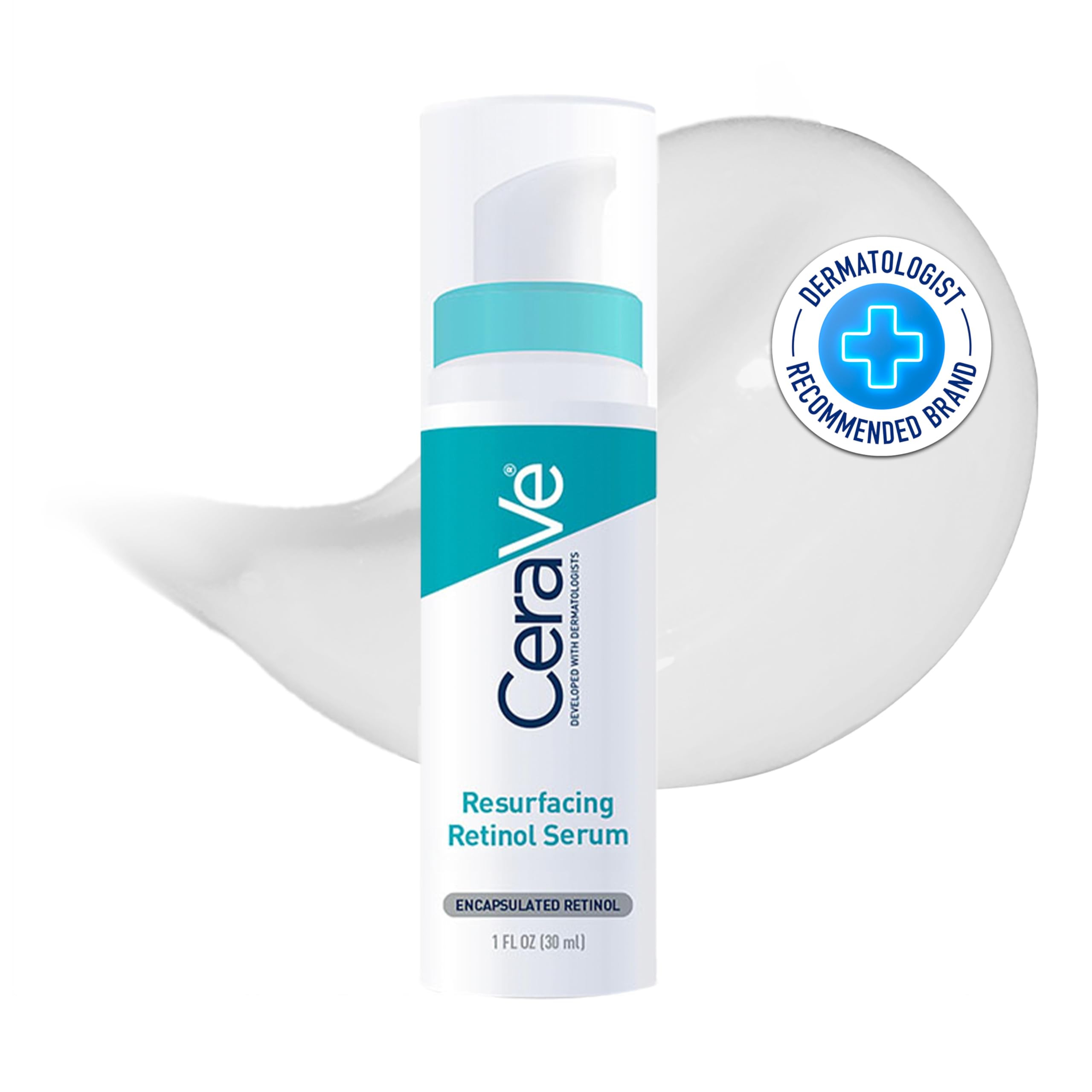
The most recommended beginner retinol — lower irritation risk thanks to built-in ceramides.
As an Amazon Associate we earn from qualifying purchases. This is at no extra cost to you.
What Is Retinol, and How Does It Actually Work?
Retinol is a member of the vitamin A family. The minute it touches your skin, a transformation starts: retinol is converted into retinal, which then becomes retinoic acid — the active compound that influences receptors deep inside your skin cells.
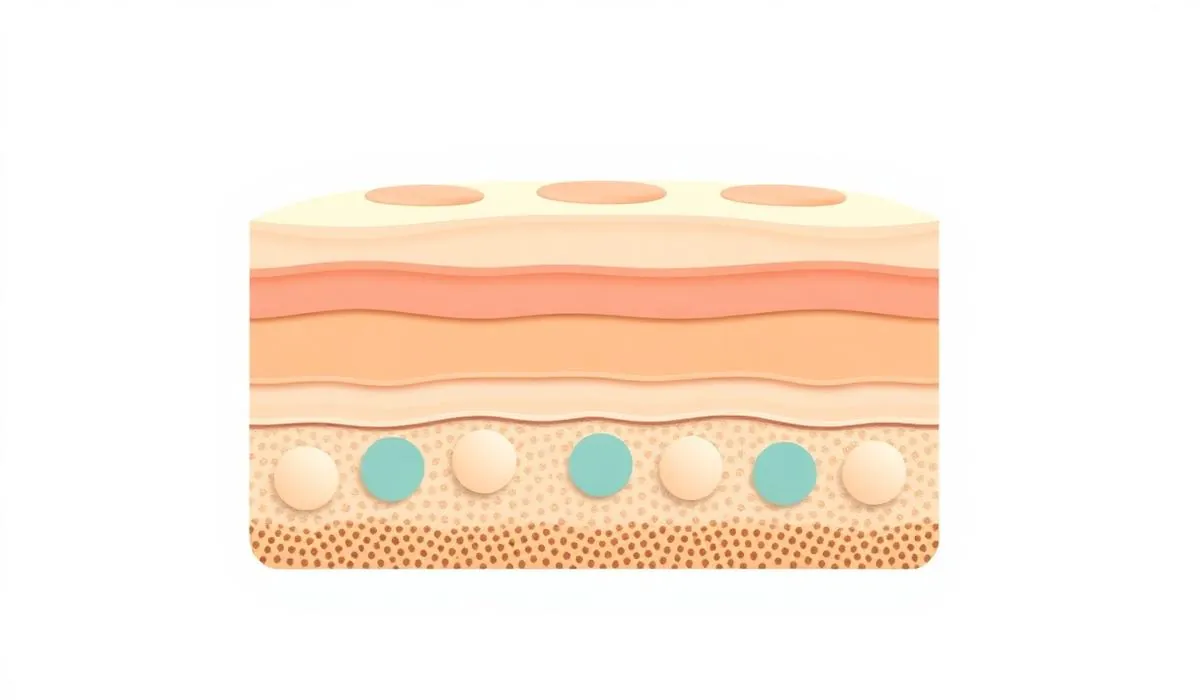
What happens because of retinol?
- Accelerated cell renewal. Your skin constantly sheds dead cells and forms fresh ones, but the process slows with age. Retinol speeds it back up — that "glow" you keep hearing about starts here.
- Increased collagen production. Retinol triggers fibroblasts to produce more collagen, the protein that keeps skin firm and elastic. Over time, this softens existing wrinkles.
Together, these effects make retinol one of the few over-the-counter ingredients that genuinely works on both acne and aging. The American Academy of Dermatology lists retinoids among the key treatments for both — which matters in a market saturated with exaggerated claims.
What Can Retinol Do for Your Skin?
Acne and Breakouts
Retinol unclogs pores, regulates oil, and creates an environment where acne-causing bacteria struggle to thrive. It addresses the root cause — not just the surface symptoms.
Fine Lines and Wrinkles
By boosting collagen and cell turnover, retinol gradually softens crow's feet and forehead lines. You won't see results overnight — give it months.
Dark Spots & Pigmentation
Faster cell turnover pushes pigmented cells out sooner, fading post-acne marks and sun spots over time.
Dull or Uneven Texture
Dull, rough skin is often slow turnover. Retinol brings fresher cells to the surface and visibly smooths texture.
Is Retinol Suitable for Your Skin?
For most people, yes — as long as you choose the right concentration and introduce it correctly.
- Beginners: start with 0.1%–0.25%, 2–3 times a week.
- Acne-prone: pick a non-comedogenic formula and ramp up slowly.
- Aging concerns: work up to 0.5%–1% over several months.
- Sensitive skin: start once a week and use the sandwich method (below).
Not sure if your skin can handle a strong active yet? Build a personalized routine first to make sure you're starting from a stable base.
How to Start: A Simple 8-Week Plan
The biggest mistake people make with retinol is going too fast and giving up when their skin reacts. A slow introduction gives your skin time to adapt.
| Weeks | Frequency |
|---|---|
| 1–2 | Twice a week |
| 3–4 | Every other night |
| 5–6 | Increase if tolerated |
| 7–8 | Move toward nightly use |
Always apply retinol to completely dry skin — damp skin increases absorption and the chance of irritation. A pea-sized amount is genuinely all you need.
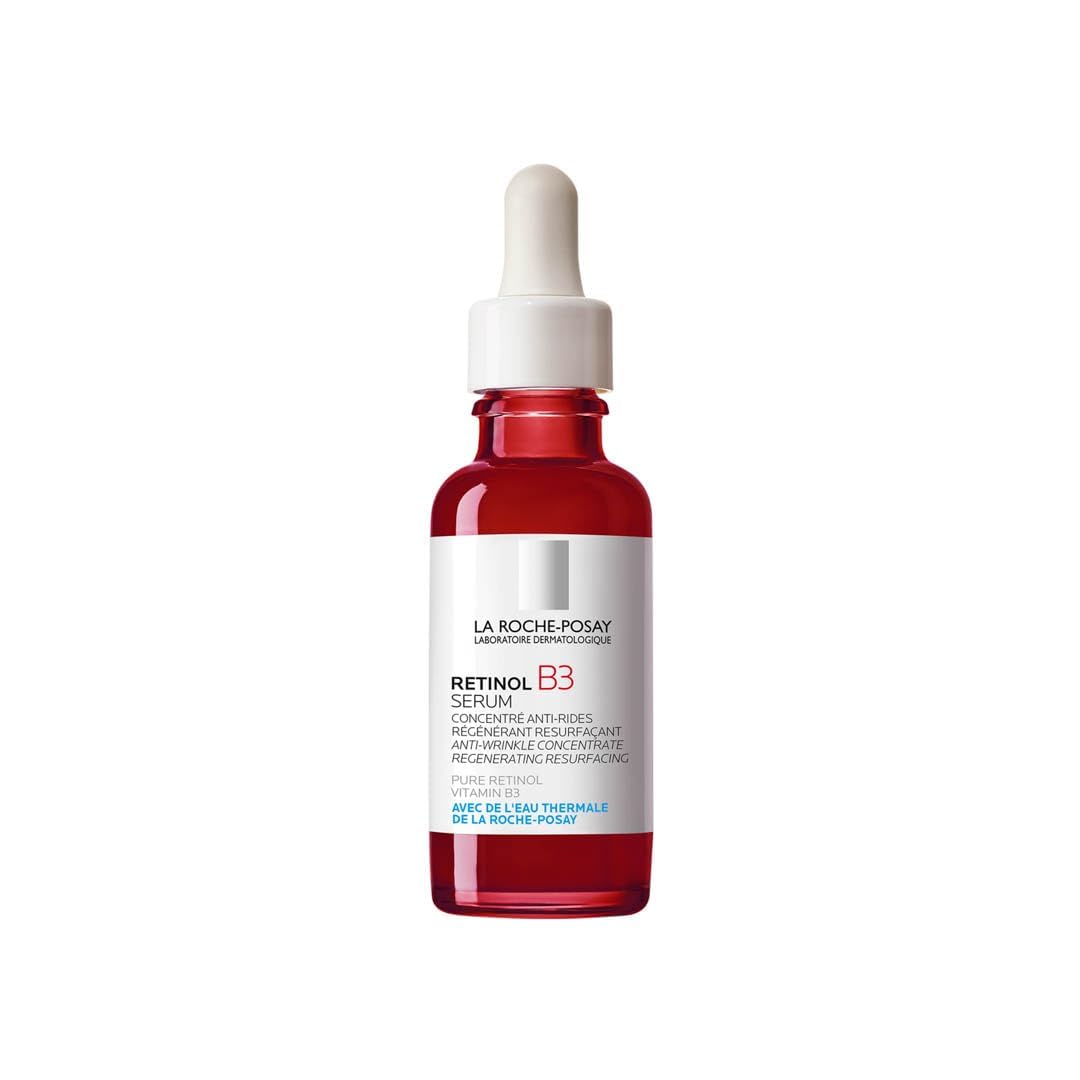
Top Rated Products For This Routine
As an Amazon Associate we earn from qualifying purchases. This is at no extra cost to you.
The Sandwich Method
If your skin is on the sensitive side, this technique reduces irritation while still letting retinol work:
- Apply moisturizer.
- Wait a few minutes, then apply retinol.
- Follow with another layer of moisturizer.
Purging vs. a Real Breakout — What's the Difference?
Some people see breakouts in the first few days of starting retinol. This purging happens because faster cell turnover brings hidden congestion to the surface quickly. It's a normal — if annoying — phase.
Likely purging
- Breakouts appear in your usual problem areas
- Settles within the first 4 weeks
- Skin overall looks smoother in between
Real reaction
- New breakouts in unusual spots
- Burning, peeling, or rash after 6–8 weeks
- Skin looks worse, not better, over time
Want a deeper read? See the realistic week-by-week retinol timeline.
Common Mistakes Worth Avoiding
- Skipping sunscreen. Retinol increases UV sensitivity. A broad-spectrum SPF 30+ every morning is non-negotiable.
- Using too much. More product = more irritation, not faster results.
- Mixing with strong acids. Avoid AHAs, BHAs, or benzoyl peroxide on the same night.
- Applying on damp skin. This boosts absorption and the chance of a reaction.
- Quitting too soon. Most people need 8–12 weeks to see meaningful results. Stick with it.
What Strength Should You Use?
| Concentration | Best For |
|---|---|
| 0.1% | Beginners and very sensitive skin |
| 0.25% | First-time users wanting noticeable improvement |
| 0.5% | Moderate concerns — the most common sweet spot |
| 1% | Experienced users with well-adapted skin |
Higher strength isn't always better. A lower concentration used consistently will outperform a higher one used inconsistently or abandoned due to irritation.
Retinol vs. Tretinoin vs. Adapalene
All three are retinoids, but they're not interchangeable:
- Retinol is over-the-counter. It's converted on the skin into the active form, so it's gentler but slower.
- Tretinoin is prescription-only and already in its active form, so it works faster — and irritates more.
- Adapalene is a stabilized synthetic retinoid available OTC in the US (e.g., Differin). It's well-tolerated and especially good for acne.
For a deeper comparison, read our full Retinol vs Retinoid guide.
A Simple Retinol Night Routine
- Cleanse with a gentle, non-stripping cleanser.
- Optional: apply a hydrating toner or essence.
- Apply retinol (pea-sized amount) on completely dry skin.
- Follow with a moisturizer.
In the morning: always apply a broad-spectrum SPF 30+. Use our SPF reapplication calculator to know exactly when to top up.
What Not to Mix With Retinol
On the same night, avoid:
- AHAs and BHAs (glycolic, lactic, salicylic acid)
- Benzoyl peroxide — it can actually deactivate retinol
Vitamin C is better saved for your morning routine, where it pairs well with sunscreen. Want to double-check any combo? Run it through the conflict checker or read the 5 most dangerous skincare combos.
Best Retinol Products in the US (2026)
These are widely loved formulas across price points. Whichever you pick, the formulation matters less than your consistency.
The Ordinary Retinol 0.2% in Squalane
Excellent value beginner option. The squalane base is gentle on the barrier and ideal for first-time retinol users.
View on AmazonPaula's Choice 1% Retinol Treatment
A high-strength formula with peptides and antioxidants — best for experienced users whose skin has fully adapted.
View on AmazonCeraVe Resurfacing Retinol Serum
Encapsulated retinol with ceramides and niacinamide — great for acne-prone skin and post-acne marks.
View on AmazonLa Roche-Posay Anthelios Mineral SPF 50
Non-negotiable daytime partner for any retinol routine. Broad-spectrum, lightweight, and well-tolerated.
View on AmazonCeraVe Moisturizing Cream
Ceramide-rich moisturizer perfect for the 'sandwich method' — buffers retinol without canceling it out.
View on AmazonDisclosure: As an Amazon Associate we earn from qualifying purchases. This doesn't change your price.
Targeting Specific Concerns
- Acne: 0.25%–0.5%, used consistently. Results in 8–12 weeks.
- Aging: Work up to 0.5%–1%. Full collagen benefits at 12–24 weeks. See our anti-aging routine builder.
- Hyperpigmentation: Pair retinol at night with a morning vitamin C serum and daily SPF.
- Dull skin: Lower-strength retinol plus gentle weekly exfoliation.
Complete Your Routine — Shop The Products We Recommend
As an Amazon Associate we earn from qualifying purchases. This is at no extra cost to you.
Complete Your Routine — Shop The Products We Recommend

As an Amazon Associate we earn from qualifying purchases. This is at no extra cost to you.
How long does retinol take to work?▾
Most people see early texture and tone improvements within 4–6 weeks, but meaningful results for acne, fine lines, or hyperpigmentation take 8–12 weeks of consistent use. Collagen-related anti-aging benefits often take 12–24 weeks to fully appear.
Can I use retinol every night as a beginner?▾
No. Start with twice a week for the first two weeks, then move to every other night. Most beginners can move toward nightly use around weeks 7–8. Going too fast is the most common reason people quit retinol due to irritation.
Is purging real, or is my skin just breaking out?▾
Both are possible. Purging happens in your usual breakout areas, appears in the first 4 weeks, and clears on its own. Persistent burning, peeling, or new breakouts in unusual spots after 6–8 weeks usually means your skin is reacting badly — scale back frequency or strength.
Can I use vitamin C and retinol together?▾
Yes — but on different parts of the day. Use vitamin C in the morning paired with sunscreen, and retinol at night. We have a full breakdown in our pH conflict myth article.
Do I really need sunscreen with retinol?▾
Yes, every single morning. Retinol increases UV sensitivity and accelerates cell turnover, leaving newer skin exposed. Skipping SPF will undo most of retinol's anti-aging and pigmentation benefits.
What strength of retinol should a beginner start with?▾
Start at 0.1% to 0.25%. A lower concentration used consistently outperforms a stronger formula that you abandon due to irritation. You can step up to 0.5% or 1% once your skin is fully adapted.
July 2026 Update
A 12-Week Retinol Tolerance Ramp
The most reliable way to get onto retinol without a month of peeling is to build up frequency slowly rather than starting nightly. Going straight to every night is the most common reason people develop retinoid dermatitis and quit. Here is the gradual ramp we recommend:
- Weeks 1–2: 0.1% retinol, pea-sized amount, 2 nights per week, applied to completely dry skin at least 20 minutes after cleansing. Layer CeraVe Moisturizing Cream on top immediately.
- Weeks 3–4: 3 nights per week. If any flaking appears, hold at this frequency for an extra week rather than advancing.
- Weeks 5–8: 4 nights per week. If stinging occurs, buffer the retinol by applying moisturiser first and retinol on top — this reduces irritation without meaningfully reducing the benefit.
- Weeks 9–12: 5 nights per week is the therapeutic sweet spot; the marginal collagen gain from 6–7 nights weekly is small and the barrier cost is high.
- Month 4+: Only step up to 0.3–0.5% if your Month-3 tolerance is bulletproof — no stinging, no flaking, no perinasal redness.
People who follow a gradual ramp like this are far more likely to still be using retinol six months later than those who try to accelerate it. The most common reason the process fails is not skin type — it is moving up in frequency before the skin has settled at the current step.
Conclusion
There's nothing magical about retinol — it's just one of the most thoroughly studied topical ingredients in dermatology. Start slow, stay consistent, wear sunscreen every day, and give it the months it needs. Patience pays off.
Before You Add Retinol — Check Your Routine for Conflicts
Mixing retinol with the wrong active can wreck your barrier. Use our free checker to see if your products play nicely together.
Check Your Combo FreeIf you want to put this into practice, you can see what each bottle actually costs per application with our cost per use calculator.
Written by me
Skincare Researcher & Founder of Skin Care Conflict
I built this site after a bad reaction from mixing two skincare ingredients I'd assumed were fine together.
When I went looking for answers, I found the same problem everywhere — plenty of opinions, very little explanation. Nobody telling me why two things shouldn't go on my face on the same night, or whether the serum at the back of my cabinet had gone off, or what a treatment should actually cost before walking into a clinic.
So I spent a long time reading formulation chemistry and published dermatology research, and built the ingredient checker I wanted when I needed it. Then I kept going, because the same gaps kept showing up — which is why there's now a routine planner, an expiry checker, a treatment cost estimator and several other tools.
Everything here is free, and it exists because I couldn't find it anywhere else. I'm not a dermatologist, and this site isn't a substitute for one. It's the resource I wish I'd had.
All articles on this site are written or reviewed for accuracy. For personalised advice, we always recommend consulting a qualified dermatologist.