
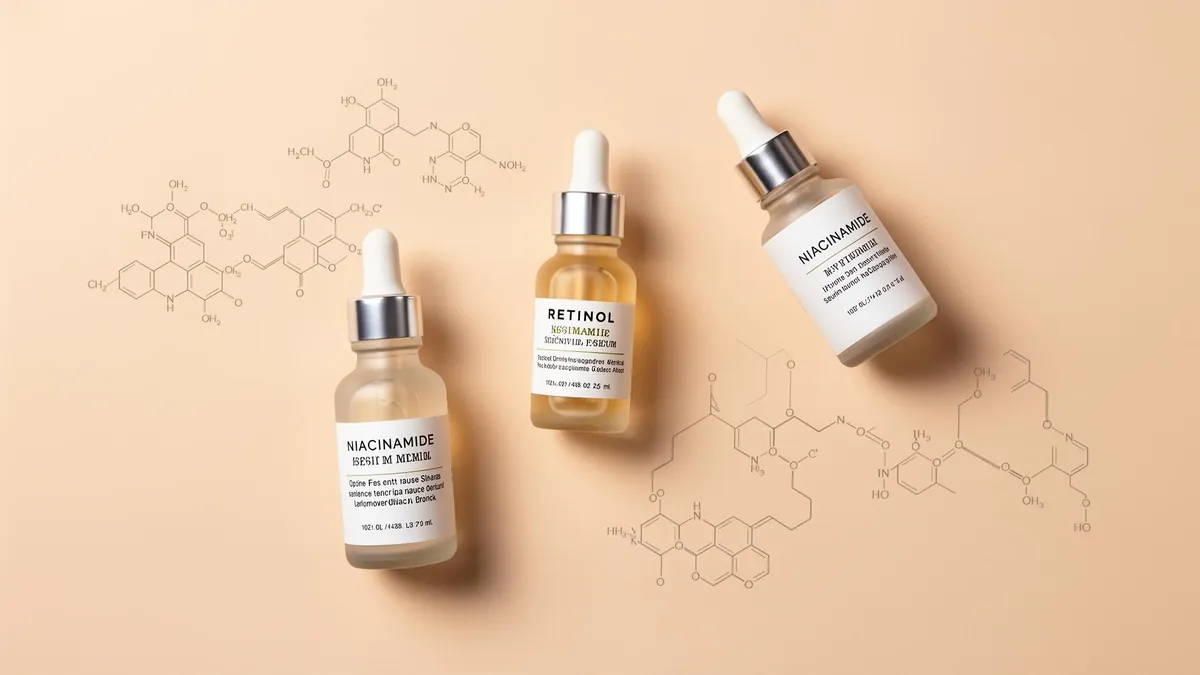
Skin Care Routine With Niacinamide and Retinol: Can You Use Them Together Safely?
Last updated: May 20, 2026
If you're building a results-driven skin care routine, chances are you've come across two powerhouse ingredients: retinol and niacinamide. Individually, they're celebrated for transforming skin texture, tone, and overall health—but many people still ask the same question:
The short answer is yes. The long answer? When layered correctly, niacinamide and retinol together can be one of the most effective combinations in modern skincare. Let's break down the science, benefits, and the safest way to use them in your routine.
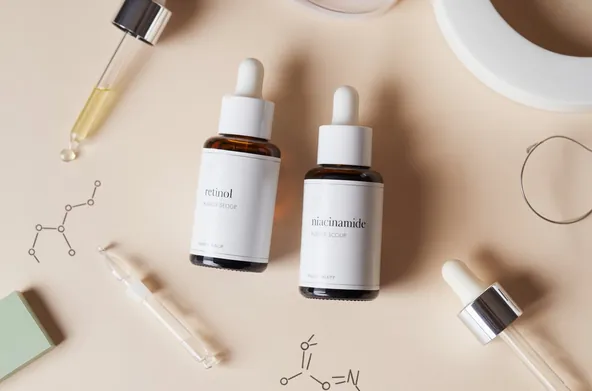
Can you use retinol and niacinamide together?
Yes—you can use niacinamide with retinol, and dermatological research supports this pairing.
Recommended For This

The most affordable and reliable niacinamide serum available — pairs perfectly with any retinol.
As an Amazon Associate we earn from qualifying purchases. This is at no extra cost to you.
There was once a myth that these two ingredients cancel each other out. Modern formulations and studies have proven otherwise. In fact, niacinamide and retinol can be used together to enhance results while reducing irritation.
When combined properly, niacinamide helps stabilize and support the skin barrier, which allows retinol to work more effectively with fewer side effects.
So if you're wondering:
- Can I use retinol and niacinamide together?
- Can you mix retinol and niacinamide?
The answer remains the same: absolutely—when used correctly.
Benefits of Retinol for Skin
Retinol, a vitamin A derivative, is one of the most studied and proven skincare ingredients available.
What retinol does for your skin:
By encouraging faster skin renewal, retinol helps reveal smoother, healthier-looking skin over time. However, this powerful action can also lead to dryness or irritation—especially for beginners.
That's where niacinamide comes in.
Benefits of Niacinamide for Skin
Niacinamide (vitamin B3) is a multi-functional ingredient that works with your skin's natural biology.
Key benefits of niacinamide:
Niacinamide increases ceramide production, which is essential for maintaining a strong, healthy barrier. This makes it ideal for calming the skin—especially when using stronger actives like retinol.
Top Rated Products For This Routine
Calms redness and balances oil — layers safely with retinol.
As an Amazon Associate we earn from qualifying purchases. This is at no extra cost to you.

Benefits of Using Niacinamide and Retinol Together
So, can you use retinol with niacinamide and actually see better results?
Yes—and here's why the combination works so well.
Why this duo is so effective:
When used together, retinol and niacinamide serum combinations support skin renewal while keeping inflammation under control. This balance is essential for consistent, visible results.
How to Use Retinol and Niacinamide Together Safely
If you're building a skin care routine with niacinamide and retinol, proper layering is key.
1Use Them in the Same Routine
You can apply niacinamide first, followed by retinol. Niacinamide's calming effect helps prep the skin and reduce potential irritation.
2Use Them at Different Times
Both approaches work—choose what suits your skin best.
Beginner-Friendly Retinol and Niacinamide Routine
Morning Routine
- 1Gentle hydrating cleanser
- 2Niacinamide serum or moisturizer
- 3Lightweight moisturizer
- 4Broad-spectrum sunscreen (essential)
Night Routine
- 1Gentle cleanser
- 2Niacinamide serum (optional for buffering)
- 3Retinol serum (start low strength)
- 4Nourishing moisturizer
Pro Tip: If you're new to retinol, start 2–3 nights per week, then gradually increase frequency as your skin adapts.

Tips for Best Results
Final Thoughts: Can You Mix Retinol and Niacinamide?
Yes—you can mix niacinamide and retinol, and when used properly, they form one of the most effective skincare combinations available.
Whether your goal is clearer skin, smoother texture, reduced fine lines, or balanced oil production, retinol and niacinamide together can help you achieve long-term skin health—without unnecessary irritation.
Skincare isn't about doing more; it's about doing what works for your skin.
Check Your Skincare Combos Instantly
Use our free Conflict Checker to see if your ingredients are safe to use together.
Try the Conflict Checker →Complete Your Routine — Shop The Products We Recommend
The Ordinary Niacinamide 10% + Zinc 1%Affordable, well-tolerated niacinamide for daily use.
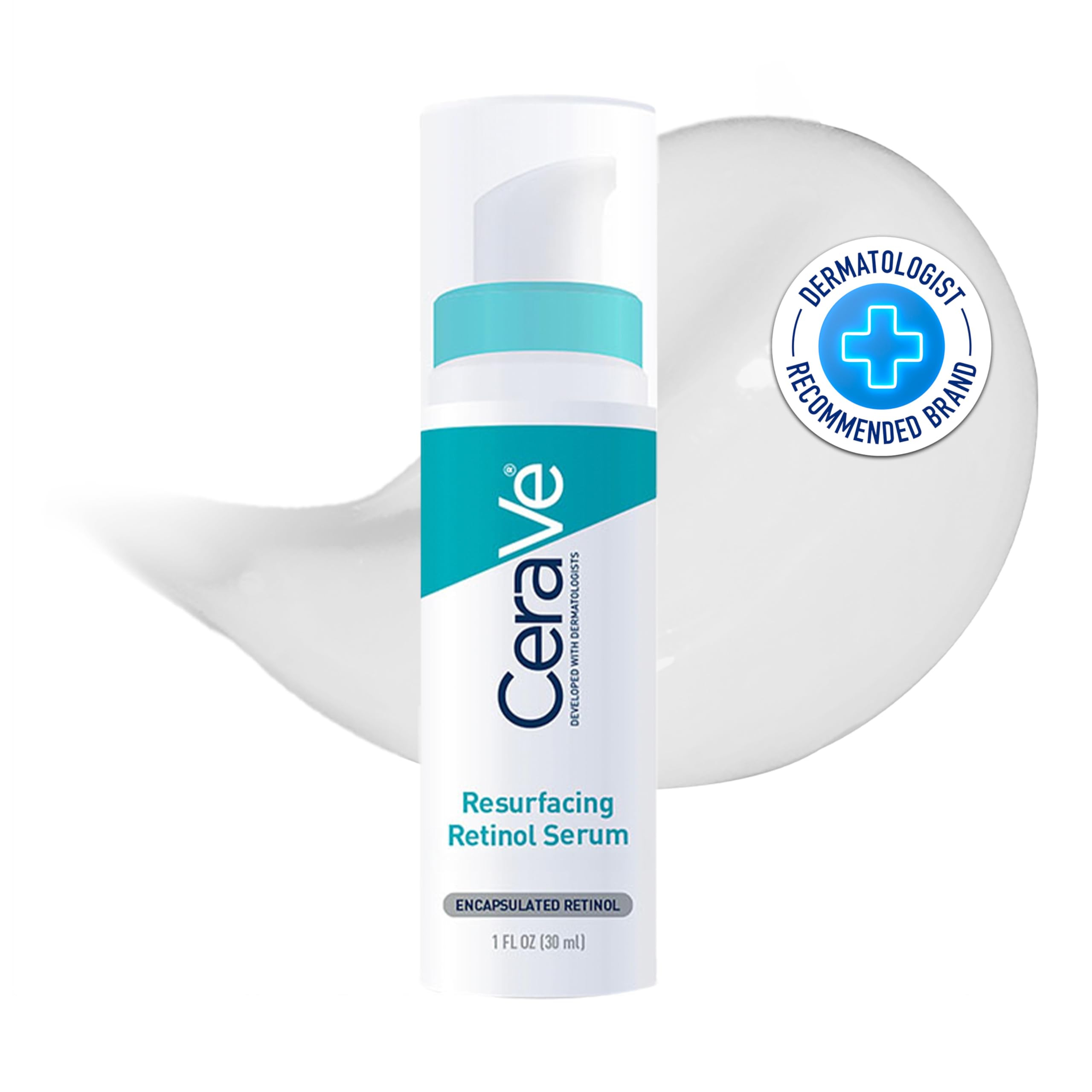
4.5View on AmazonCeraVe Resurfacing Retinol SerumGentle retinol that pairs perfectly with niacinamide.
4.5View on Amazon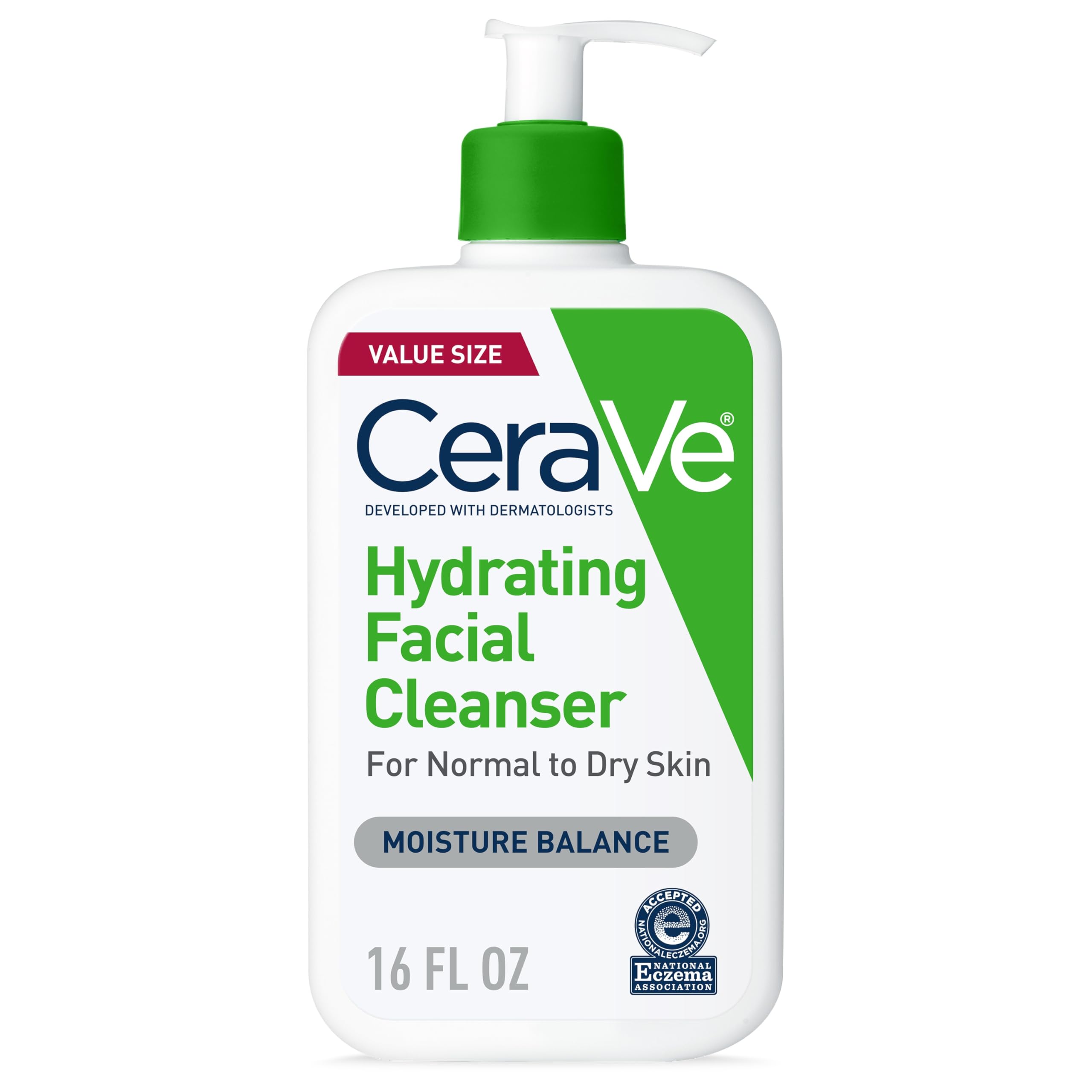 CeraVe Hydrating Facial Cleanser
Gentle cleanser that will not interfere with either active.
4.5View on AmazonAs an Amazon Associate we earn from qualifying purchases. This is at no extra cost to you.
Complete Your Routine — Shop The Products We Recommend
Affordable, well-tolerated niacinamide for daily use.
Gentle retinol that pairs perfectly with niacinamide.
Gentle cleanser that will not interfere with either active.
As an Amazon Associate we earn from qualifying purchases. This is at no extra cost to you.
If you want to put this into practice, you can estimate the exact dose your face needs with our SPF calculator, map every step in the right order with our skincare routine planner, design a targeted regimen using our anti-aging routine builder, and see what each bottle actually costs per application with our cost per use calculator.
Disclaimer: This article is for informational purposes only and does not constitute medical advice. Always patch test new products and consult a dermatologist for personalized skincare recommendations, especially if you have sensitive skin or existing skin conditions.