
Vitamin C and Retinol Together: The pH Myth the Evidence Debunks
Recommended For This
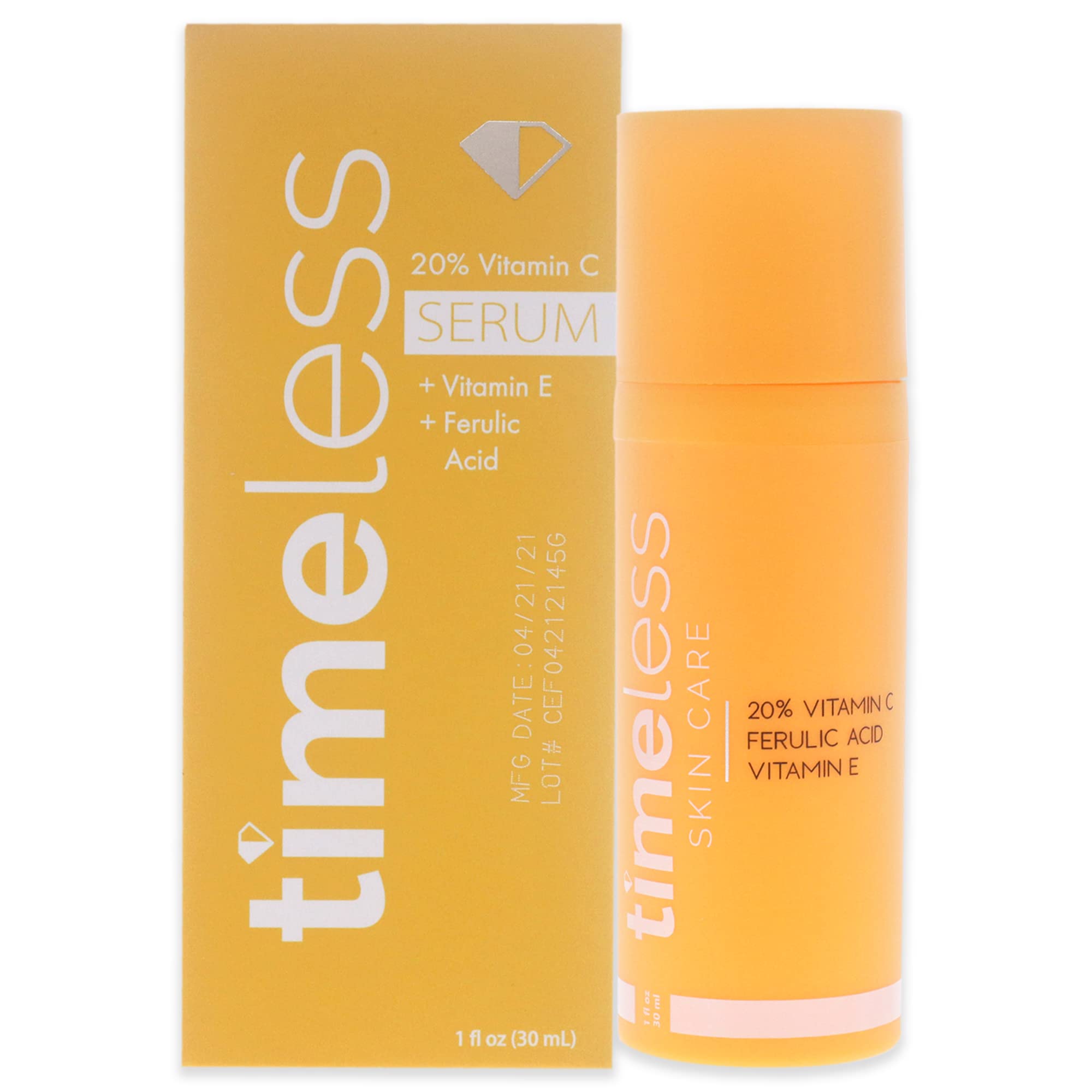
Stable, well-formulated vitamin C — use in the morning while your retinol works at night.
As an Amazon Associate we earn from qualifying purchases. This is at no extra cost to you.
For years, the internet agreed on one thing: vitamin C and retinol should never share a routine. That advice is outdated — but the replacement advice matters just as much.
For decades, skincare experts said retinol and vitamin C were enemies. They were wrong—or at least, they were working with outdated information.
This guide explains why the myth started, what modern formulation science changed, and how you can safely use both powerhouse ingredients in your routine.
The Original Science: Why They Seemed Incompatible
The concern originated in the 1990s when formulators noticed that retinol's optimal pH (5.5-6.0) and vitamin C's optimal pH (2.5-3.5) were significantly different.
When layered immediately, neither ingredient worked at its optimal pH, and the combination caused irritation for many users. This led to blanket advice to never combine them. See our detailed Retinol + Vitamin C compatibility guide.
What Changed: Modern Formulation Breakthroughs
- Better vitamin C stabilizers: SAP, MAP, and ethyl ascorbic acid are more stable across pH ranges
- Encapsulation technology: Time-release actives that bypass direct pH conflicts
- Buffer ingredients: Niacinamide and hyaluronic acid bridge pH gaps between layers
- Pre-mixed formulas: Brands now combine them safely in single products
What the Evidence Says
Dermatology guidance and modern product formulation both point the same way: with sensible formulation or a gap in time between them, these ingredients can be used together. The practical consensus is that they are safe used separately or with proper spacing, and buffering ingredients can make same-routine use easier on the skin.
Related combinations to explore: Vitamin C + Niacinamide and Retinol + Niacinamide.
The Best Way to Use Both: 3 Approaches
Approach 1: AM Vitamin C + PM Retinol (Safest)
Use vitamin C in the morning for antioxidant protection, retinol at night for cell turnover. Full guide →
Approach 2: Different Weekdays
Vitamin C 3x/week, Retinol 2x/week on alternating days. Gives skin recovery time.
Approach 3: Layered with Buffers
Apply niacinamide between them. See Vitamin C + Niacinamide for buffering technique.
Who Should Avoid This Combination
- Sensitive or reactive skin types
- Active rosacea or eczema flares
- Pregnancy (retinol concerns)
- First-time active users (too much irritation risk)
If you're new to actives, start with our Beginner's Layering Guide first.
Top Rated Products For This Routine
Morning vitamin C for antioxidant protection.
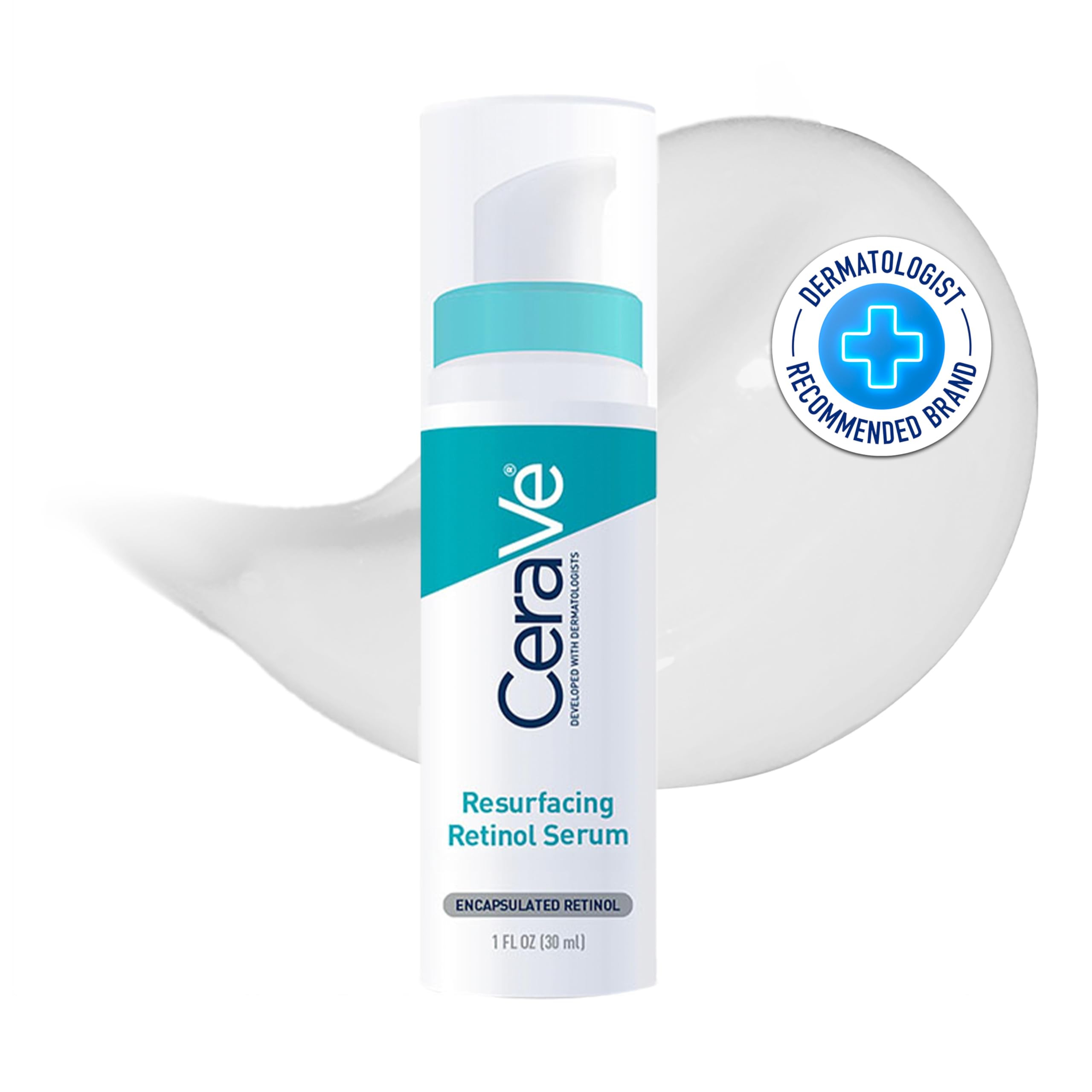
Use these two at separate times of day for best results.
As an Amazon Associate we earn from qualifying purchases. This is at no extra cost to you.
Complete Your Routine — Shop The Products We Recommend
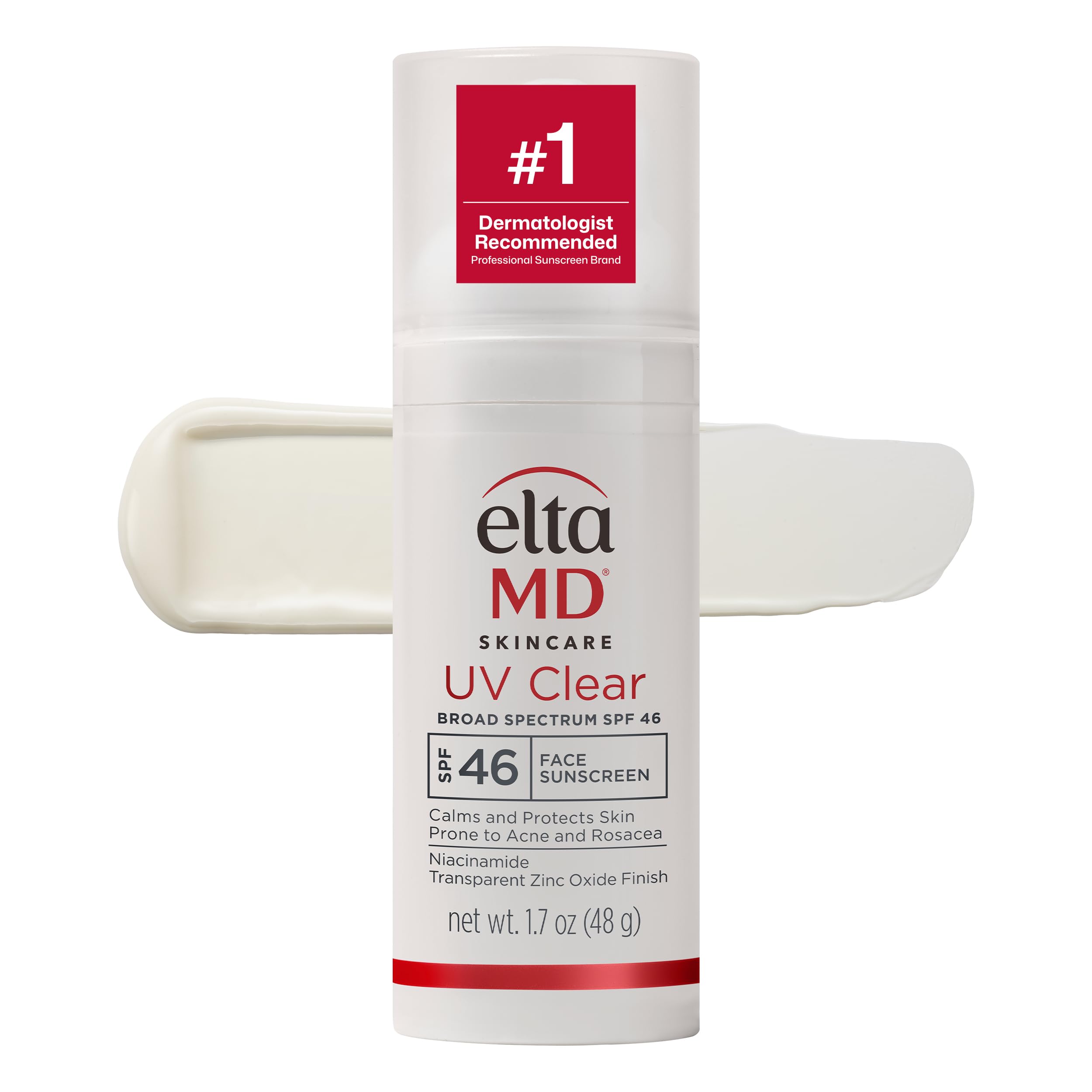
As an Amazon Associate we earn from qualifying purchases. This is at no extra cost to you.
Frequently Asked Questions
Check Your Specific Combination
Use our instant combo checker to see if your ingredients are safe together.
Check Your Combo NowDisclaimer: This content is educational and not medical advice. Consult a dermatologist for personalized guidance, especially for severe reactions.