
How to Layer Skincare Actives Safely: The Beginner's Complete Guide
Recommended For This
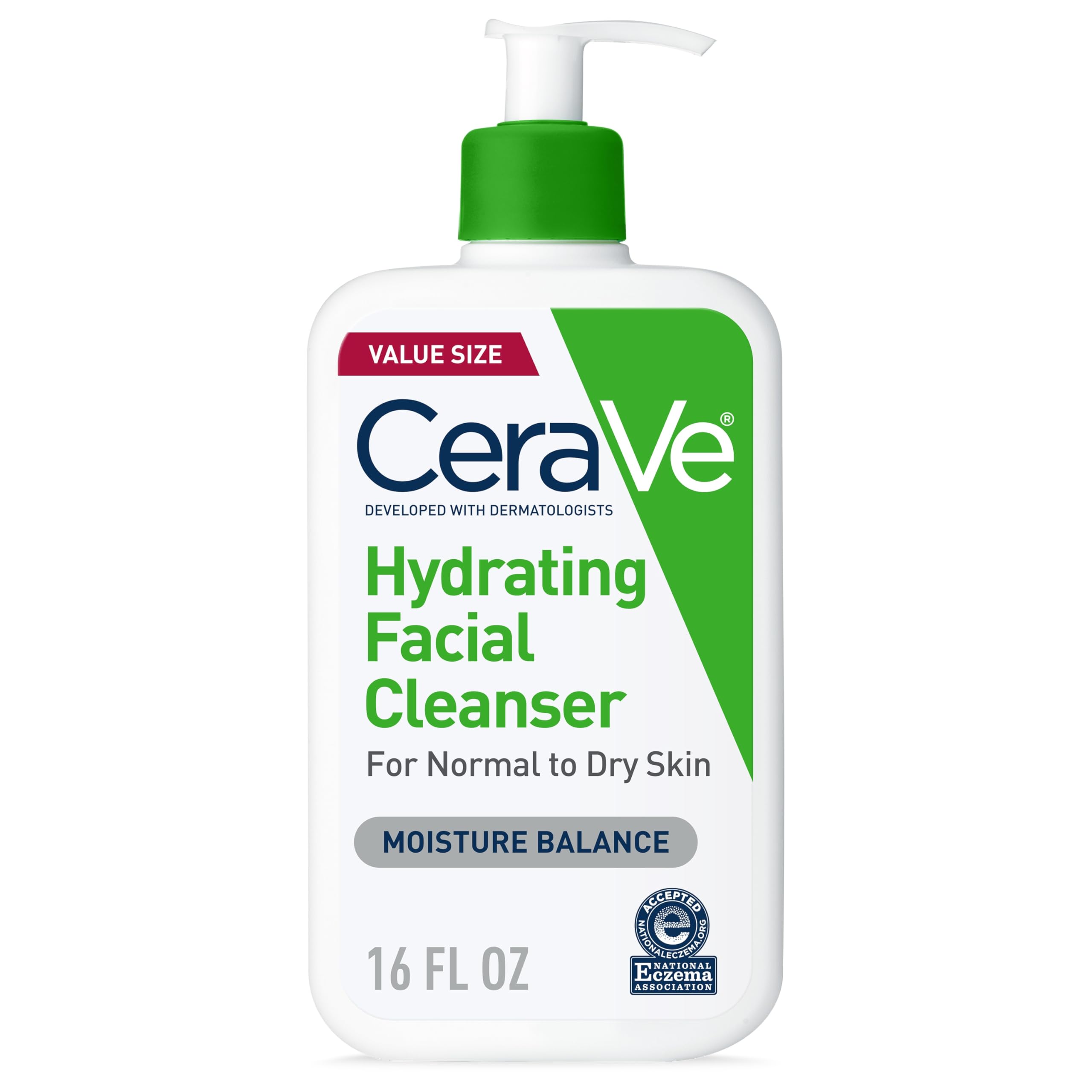
Start every layering routine with a non-stripping cleanser that does not alter your skin pH.
As an Amazon Associate we earn from qualifying purchases. This is at no extra cost to you.
You just spent $150 on high-quality actives. Now you're paralyzed because you don't know if you'll destroy your skin barrier by using them wrong. Sound familiar?
This guide breaks down the exact science and practical strategy to layer powerful actives without irritation. By the end, you'll have a clear framework for building routines that actually work.
Why Layering Order Matters (The pH Science)
The pH scale runs from 1 (acidic) to 14 (alkaline), with 7 being neutral. Your skin's natural pH is around 4.5-5.5—slightly acidic. Different skincare ingredients work best at different pH levels:
- Vitamin C (L-ascorbic acid): pH 2.5-3.5
- Glycolic acid: pH 3.0-4.0
- Retinol: pH 5.5-6.0
- Niacinamide: pH 5.0-7.0
When you layer ingredients with incompatible pH levels, they can destabilize each other or cause irritation. Learn more in our Retinol + Vitamin C guide.
The 5-Step Skincare Layering Framework
Step 1: Cleanse (pH Neutral)
Start with a gentle cleanser to remove impurities and prep your skin. Avoid harsh sulfates that strip your barrier. A clean canvas ensures actives can penetrate effectively.
Step 2: Tone/Essence (pH 4.5-5.5)
A hydrating toner balances your skin's pH after cleansing and preps it for active ingredients. Skip astringent toners with alcohol—opt for hydrating formulas with hyaluronic acid.
Step 3: Active (The Star Ingredient)
This is where your treatment products go. Apply your most potent active first while your skin barrier is most receptive. Wait 5-15 minutes between layers to let each absorb.
Key pairings to explore: Retinol + Niacinamide, Vitamin C + Hyaluronic Acid, and Niacinamide + Salicylic Acid.
Step 4: Hydrator (Humectant)
Lock in your actives with a hydrating serum or essence. Hyaluronic acid, glycerin, and niacinamide are excellent choices. See our Niacinamide + Hyaluronic Acid guide.
Step 5: Occlusive (Seal)
Finish with a moisturizer or facial oil to seal everything in. This prevents transepidermal water loss and protects your barrier overnight.
Sample Routines by Skin Type
Routine A: Acne-Prone & Oily
AM:
Cleanser → Vitamin C → Niacinamide → SPF 30+
PM:
Cleanser → Salicylic Acid → Niacinamide → Lightweight Moisturizer
Routine B: Anti-Aging & Dry
AM:
Cleanser → Vitamin C → Hyaluronic Acid → Moisturizer → SPF 30+
PM:
Cleanser → Retinol (3x/week) → Peptides → Rich Moisturizer
Routine C: Sensitive & Reactive
AM:
Gentle Cleanser → Niacinamide → Hyaluronic Acid → Moisturizer
PM:
Gentle Cleanser → Azelaic Acid (2x/week) → Ceramides → Occlusive
The 7-Day Introduction Protocol
- Day 1-2: Cleanser + Moisturizer only (establish baseline)
- Day 3-4: Add 1 active (e.g., vitamin C) every other day
- Day 5-6: Monitor skin; increase frequency if no irritation
- Day 7+: Add second active (e.g., retinol) on a separate night
⚠️ Never add 2+ new actives simultaneously. This makes it impossible to identify what's causing any reactions.
Red Flags: When to Stop & See a Dermatologist
- Burning or stinging that doesn't subside within 5 minutes
- Persistent redness lasting more than 48 hours
- Severe peeling that looks like "reptile skin"
- Increased breakouts after 2+ weeks of use
- Texture changes, hives, or swelling
If you experience any of these, stop all actives immediately and focus on barrier repair with gentle cleanser + moisturizer + SPF only.
Common Layering Mistakes (And How to Avoid Them)
Mistake 1: Using retinol + vitamin C same night
Both are potent actives that can overwhelm your barrier. Use vitamin C in AM, retinol in PM. Learn more →
Mistake 2: Skipping moisturizer to "let actives work"
Actives work better on hydrated skin. Always seal with moisturizer. See Retinol + HA guide →
Mistake 3: Using too much product
A pea-sized amount is enough. More product = more irritation, not faster results.
Mistake 4: Not using SPF after morning vitamin C
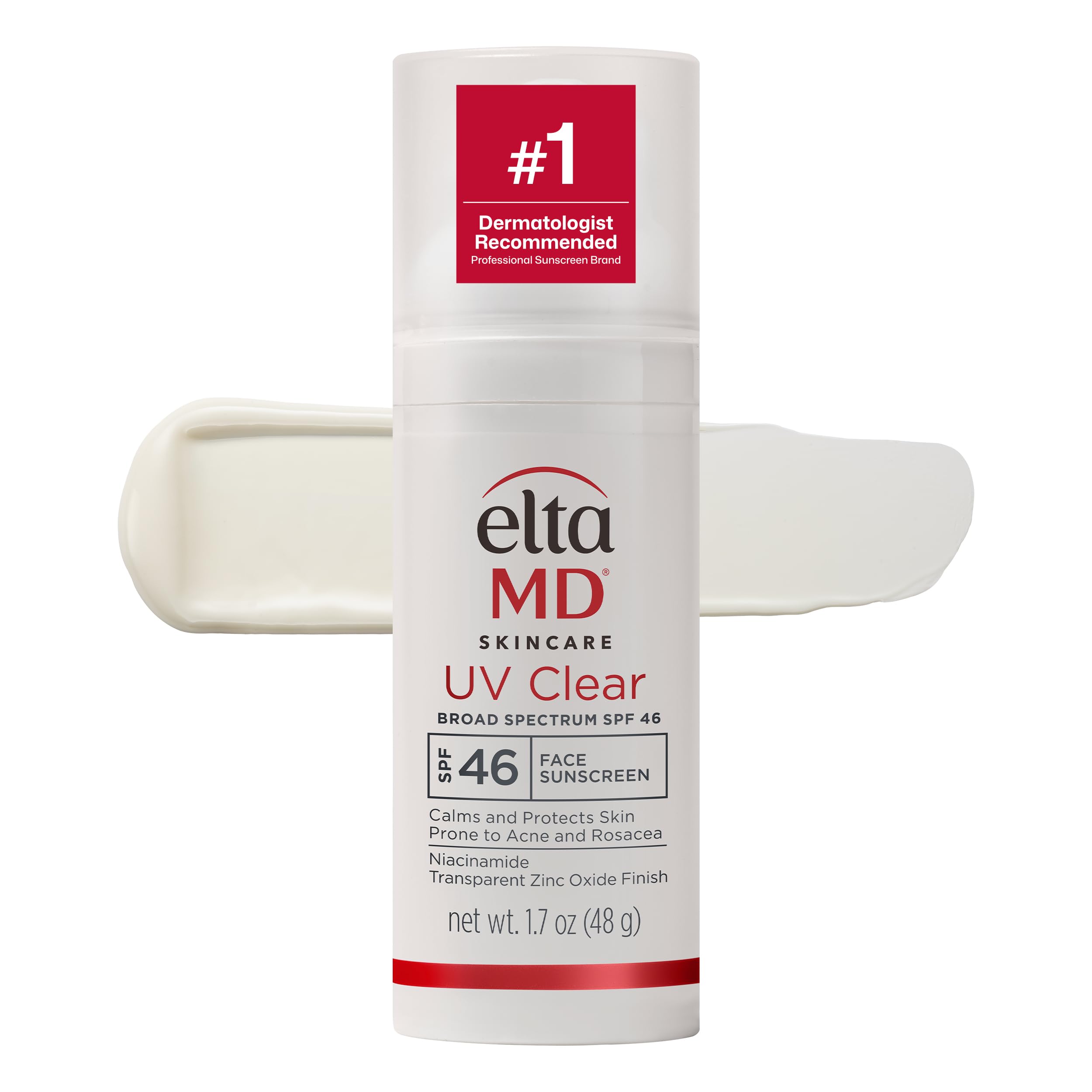
Actives increase photosensitivity. SPF 30+ is non-negotiable when using any active ingredients.
Top Rated Products For This Routine

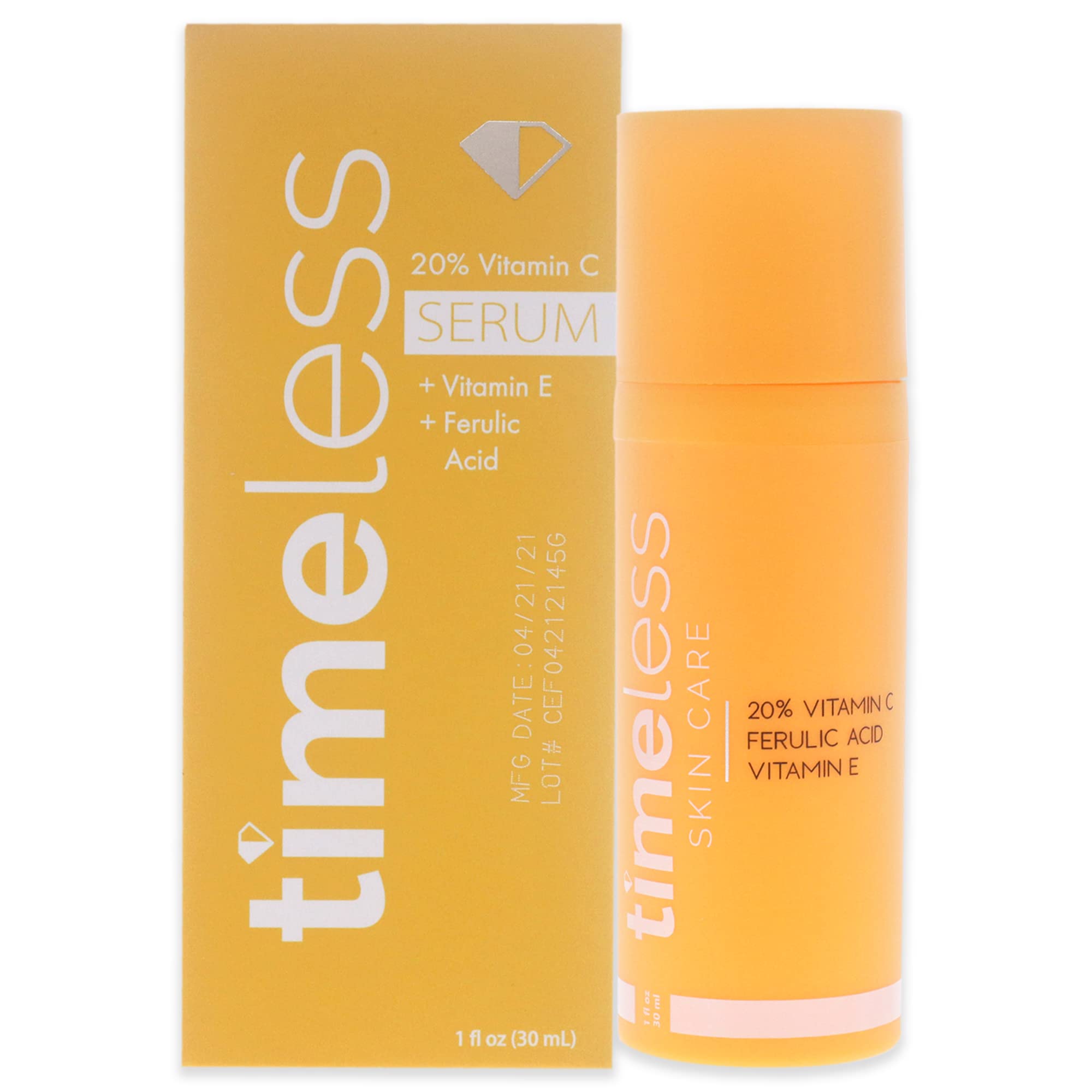
Two actives that layer safely and effectively in a morning routine.
As an Amazon Associate we earn from qualifying purchases. This is at no extra cost to you.
Complete Your Routine — Shop The Products We Recommend
As an Amazon Associate we earn from qualifying purchases. This is at no extra cost to you.
Frequently Asked Questions
Check Your Specific Combination
Use our instant combo checker to see if your ingredients are safe together.
Check Your Combo NowDisclaimer: This content is educational and not medical advice. Consult a dermatologist for personalized guidance, especially for severe reactions.