
Pore-Clogging & Comedogenic Ingredient Checker: Stop Breakouts Before They Start
Your cleanser is gentle. Your moisturizer is "non-comedogenic." So why are you still breaking out?
Last updated: May 20, 2026
If you have done everything right, a product labeled non-comedogenic does not automatically mean it is 100% safe. Dozens of skincare ingredients can affect your skin, and some quietly clog pores even inside "safe" formulas. Trusting only the front of the bottle is not enough. The real problem is hidden inside the ingredient list.
That is exactly the problem a pore clogging ingredients checker is designed to solve — a way to test products before they ever touch your skin.
What Are Pore-Clogging Ingredients?
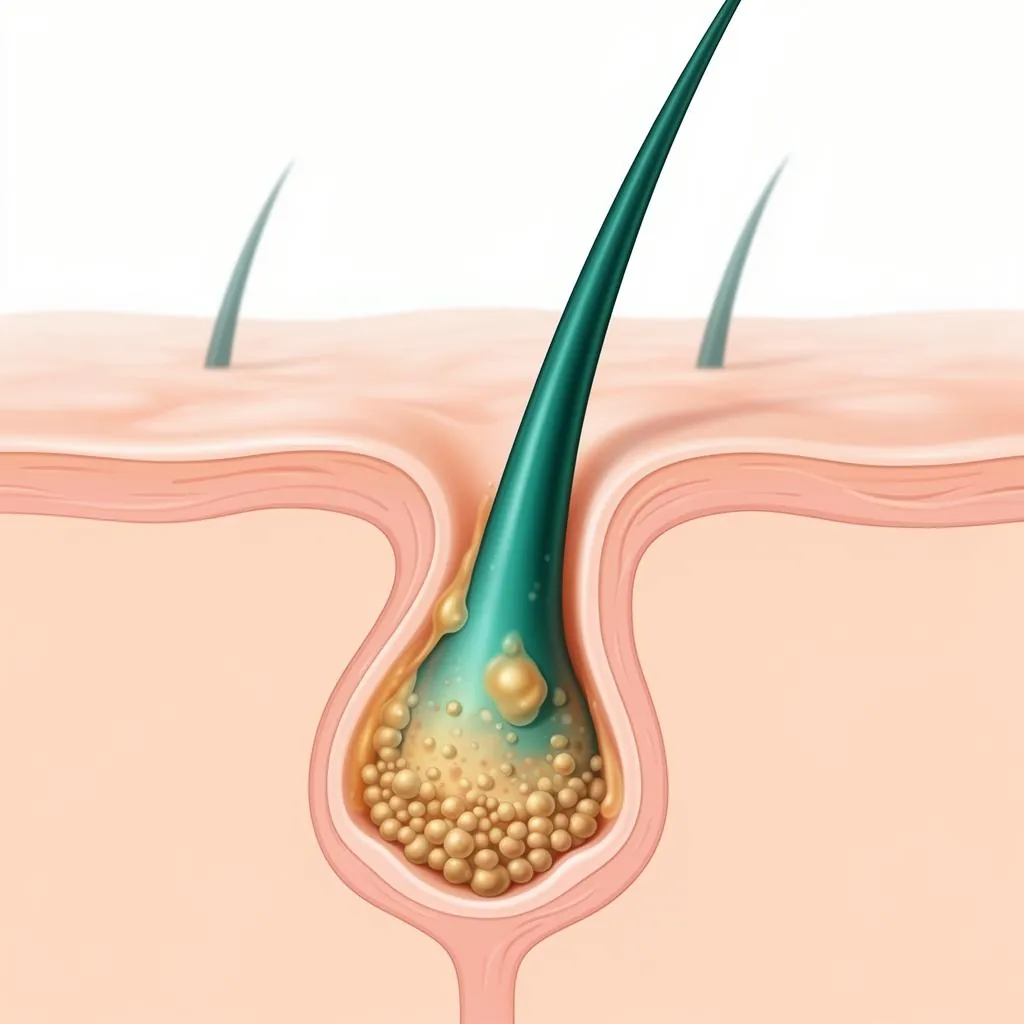
Pore-clogging — or comedogenic — ingredients are cosmetic compounds that interfere with the skin's natural follicular environment. When applied to the skin, they can mix with sebum and dead skin cells to form a plug inside the hair follicle. This is the start of a comedone: the technical term for a clogged pore that may develop into a whitehead, blackhead, or an underlying inflammatory lesion.
The comedogenicity rating scale runs from 0 (non-comedogenic) to 5 (highly comedogenic) and is built on decades of dermatology research. Anything rated 3 or above is generally considered a meaningful risk for acne-prone skin.
Key insight
Comedogenicity is ingredient-specific, not product-specific. A product can contain a highly rated comedogenic ingredient and still carry a "non-comedogenic" label — because labeling laws in most countries don't require clinical verification of that claim.
Why "Non-Comedogenic" Labels Can Mislead You
The "non-comedogenic" label is largely unregulated. Brands can self-declare it without independent testing. That means two products with identical "safe" labels may behave very differently on acne-prone skin — because their cosmetic formulation is entirely different at the ingredient level.
This is why understanding pore clogging skincare ingredients at a granular level matters more than trusting a front-of-pack claim. The same logic applies when ingredient conflicts silently wreck your routine — what's on the label rarely tells the whole story.
Recommended Product
CeraVe Foaming Facial Cleanser
Non-comedogenic, fragrance-free gel cleanser with niacinamide and ceramides — a safe daily starter for acne-prone, congested skin.
View on AmazonHow Pore Blockage Actually Works
The skin naturally produces sebum — an oily substance that lubricates and protects. In a healthy follicle, sebum flows freely to the surface. When occlusive ingredients are layered on top, they can physically trap sebum and dead cells inside the follicle. Add an ingredient that promotes abnormal cell turnover inside the follicle itself, and you have the recipe for follicular clogging.
This is why acne causing ingredients in skincare don't always feel heavy or oily. Some of the worst offenders are surprisingly lightweight. The table below shows a sample of common cosmetic ingredients and their comedogenicity score (0 = non-comedogenic, 5 = highly comedogenic):
| Ingredient | Rating (0–5) | Risk Level |
|---|---|---|
| Isopropyl myristate | 5 / 5 | Very High |
| Coconut oil | 4 / 5 | High |
| Lanolin | 4 / 5 | High |
| Algae extract | 3 / 5 | Moderate |
| Shea butter | 3 / 5 | Moderate |
| Silicones (most) | 2 / 5 | Low |
| Mineral oil (cosmetic) | 1 / 5 | Very Low |
Notice that coconut oil, a favorite of the natural skincare world, has one of the highest comedogenicity scores. Meanwhile, mineral oil — long falsely vilified as a pore-clogger — has a very low score. This is why ingredient science matters more than marketing stories.
Introducing the Pore Clogging Ingredients Checker
A comedogenic ingredients checker scans a product's full ingredient list against a curated, research-backed database of known comedogenic compounds — and instantly flags anything that could be triggering your breakouts.
Instead of spending hours cross-referencing a non-comedogenic ingredients list manually, you paste the ingredient list of any product — moisturizer, foundation, sunscreen, haircare — and the tool does the analysis in seconds.
Here's what a quality skincare ingredient checker tool does:
Flags comedogenic compounds
Detects high-risk ingredients by name and rating.
Rates overall risk
Gives a product-level comedogenic score.
Covers all product types
Skincare, makeup, sunscreen, haircare.
Explains each ingredient
Science-backed context, not just a number.
You can pair this with our ingredient conflict checker to make sure your products are not just non-comedogenic, but also chemically compatible with each other.
Why This Matters for Your Skin Barrier — and Your Wallet
Knowing how to check pore clogging ingredients before purchasing a product protects more than just your skin. The average skincare consumer tries 4–6 products before identifying a breakout trigger. Each failed product costs money, time, and barrier damage from the constant cycle of new formulas, new reactions, and recovery periods.
An acne-safe skincare ingredient checker lets you audit products before they touch your face — helping you build a routine that genuinely works, rather than guessing and hoping. Combine it with our Routine Planner to map your AM and PM steps in the right order, and the Expiry Checker to make sure none of your actives have gone off.
Watch your makeup and SPF, not just your serums
Pore clogging makeup ingredients and sunscreens are applied daily, often layered, and frequently contain emollients and occlusives that rank high on the comedogenic scale. Checking pore clogging ingredients in makeup and sunscreen before committing to a product is one of the most practical changes acne-prone users can make.
Recommended Product
Paula's Choice 2% BHA Liquid Exfoliant
Salicylic acid penetrates inside the pore to dissolve the sebum and dead-cell plug that causes blackheads and whiteheads.
View on AmazonBuilt on Dermatology Research, Not Guesswork
The most reliable comedogenic checkers are built on ingredient databases cross-referenced from peer-reviewed dermatology literature, clinical cosmetic formulation studies, and established comedogenicity ratings developed through controlled rabbit-ear assay testing and human follicle research.
This dermatology-led approach means the tool doesn't flag ingredients based on trend or reputation — it flags them based on documented evidence of their role in follicular clogging, sebum disruption, and skin inflammation. That is a fundamentally different standard than trusting a product label.
Who Should Use a Pore Clogging Ingredients Checker?
The short answer: anyone who has ever wondered "is my skincare product comedogenic?" It is especially valuable for:
- Acne-prone and oily skin types
- Skincare beginners building a first routine — see our teen acne skincare guide
- Dermatology patients managing active breakouts
- Heavy makeup users layering primer, foundation, and powder daily
- Daily sunscreen users — including mineral and chemical SPF
- Natural skincare fans navigating high-comedogenic plant oils like coconut and shea
- Sensitive skin types prone to congestion under occlusive products
If you've been struggling to figure out what ingredients clog pores and cause acne in your current routine, an ingredient checker gives you a clear, ingredient-level answer instead of vague advice to "try a different product."
Recommended Product
EltaMD UV Clear Broad-Spectrum SPF 46
Oil-free, non-comedogenic mineral sunscreen with niacinamide — recommended by dermatologists for acne-prone and sensitive skin.
View on AmazonCheck your products before your next breakout does
Paste any ingredient list into our free Ingredient Conflict Checker — instant, science-backed, no sign-up required.
🧪 Check Your IngredientsRelated Reading
Frequently Asked Questions
What does 'non-comedogenic' actually mean?
Non-comedogenic means a product is formulated to not block pores, but the term is largely unregulated. Brands can self-declare it without independent clinical testing, so two products with the same label can behave very differently on acne-prone skin. Always check the actual ingredient list.
Is coconut oil bad for acne-prone skin?
Coconut oil scores 4 out of 5 on the comedogenicity scale, making it one of the most pore-clogging natural oils. While it works well for body care or hair, most dermatologists do not recommend applying coconut oil to acne-prone facial skin.
Is mineral oil really safe for the face?
Yes. Cosmetic-grade mineral oil scores 1 out of 5 and is considered safe for most skin types, including acne-prone skin. It has been wrongly demonised in natural skincare marketing — the dermatology evidence consistently shows it is non-comedogenic for the vast majority of users.
How do I check if a skincare product clogs pores?
Copy the full ingredient list from the product label and paste it into a comedogenic ingredients checker. The tool cross-references each ingredient against a research-backed database and flags anything rated 3 or higher on the comedogenicity scale, so you can see the risk before you buy.
Do sunscreens and makeup also clog pores?
They can. Sunscreens and foundations are applied daily and often contain emollients, silicones, or oils that rank high on the comedogenic scale. Always run sunscreens, primers, and full-coverage foundations through an ingredient checker if you are acne-prone.
Content on this site is written for educational purposes. It is not medical advice. Always consult a qualified dermatologist for persistent acne or personal skincare concerns.