
7 Dangerous Skincare Mistakes You're Probably Making (And How to Fix Them)
Taking care of your skin has never been more important. With increasing pollution, daily stress, and constant exposure to UV rays, our skin faces damage every single day. Here are 7 common mistakes you might be making — and simple, research-backed ways to fix them.
Last updated: July 15, 2026
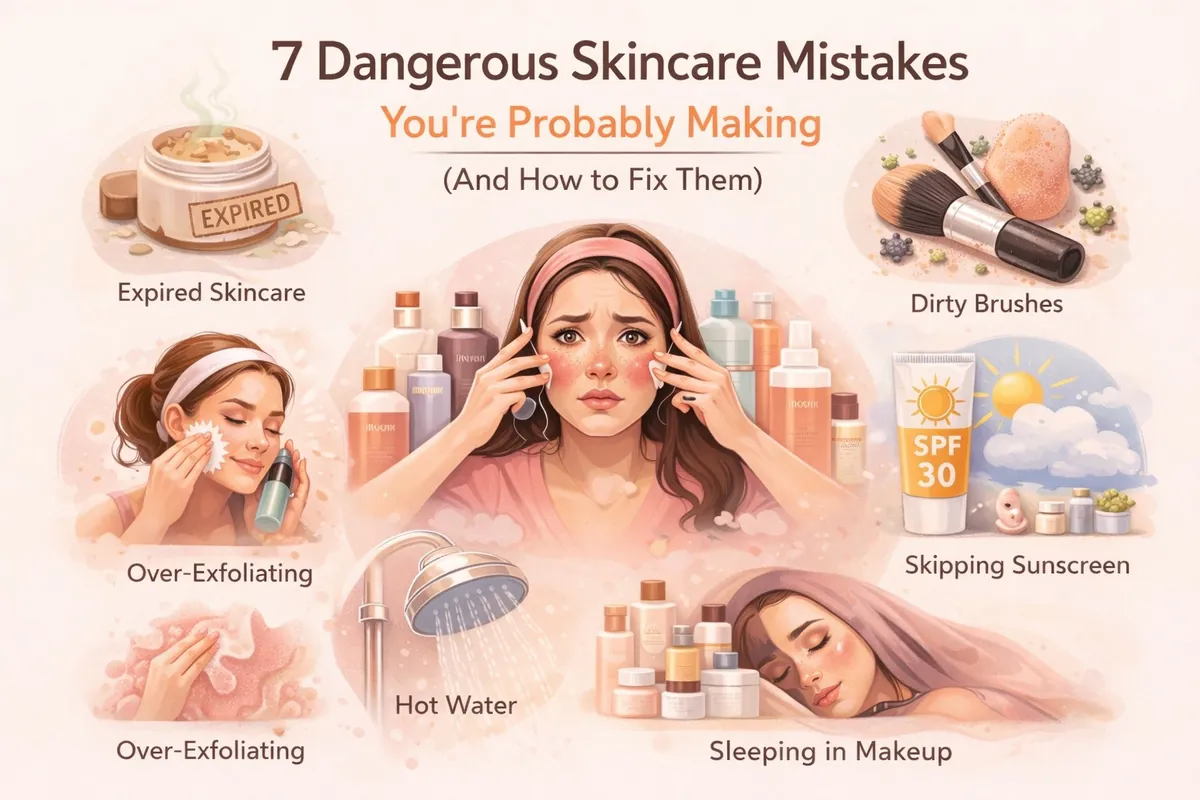
The truth is, healthy skin isn't just about using expensive products — it's about using them correctly. Many people unknowingly make small mistakes that can actually harm their skin instead of helping it. Whether you're a skincare beginner or have a 10-step routine, chances are you're making at least one of these mistakes.
Before we dive in, if you're unsure whether your skincare ingredients work safely together, use our free Skincare Ingredient Conflict Checker to instantly detect dangerous combinations.
1. Using Expired Skincare Products
Just like food, skincare products have an expiration date. Using expired products can reduce their effectiveness and may even lead to skin irritation, infections, or breakouts. Over time, ingredients break down and bacteria can grow inside the product, especially in creams and serums.
Recommended For This
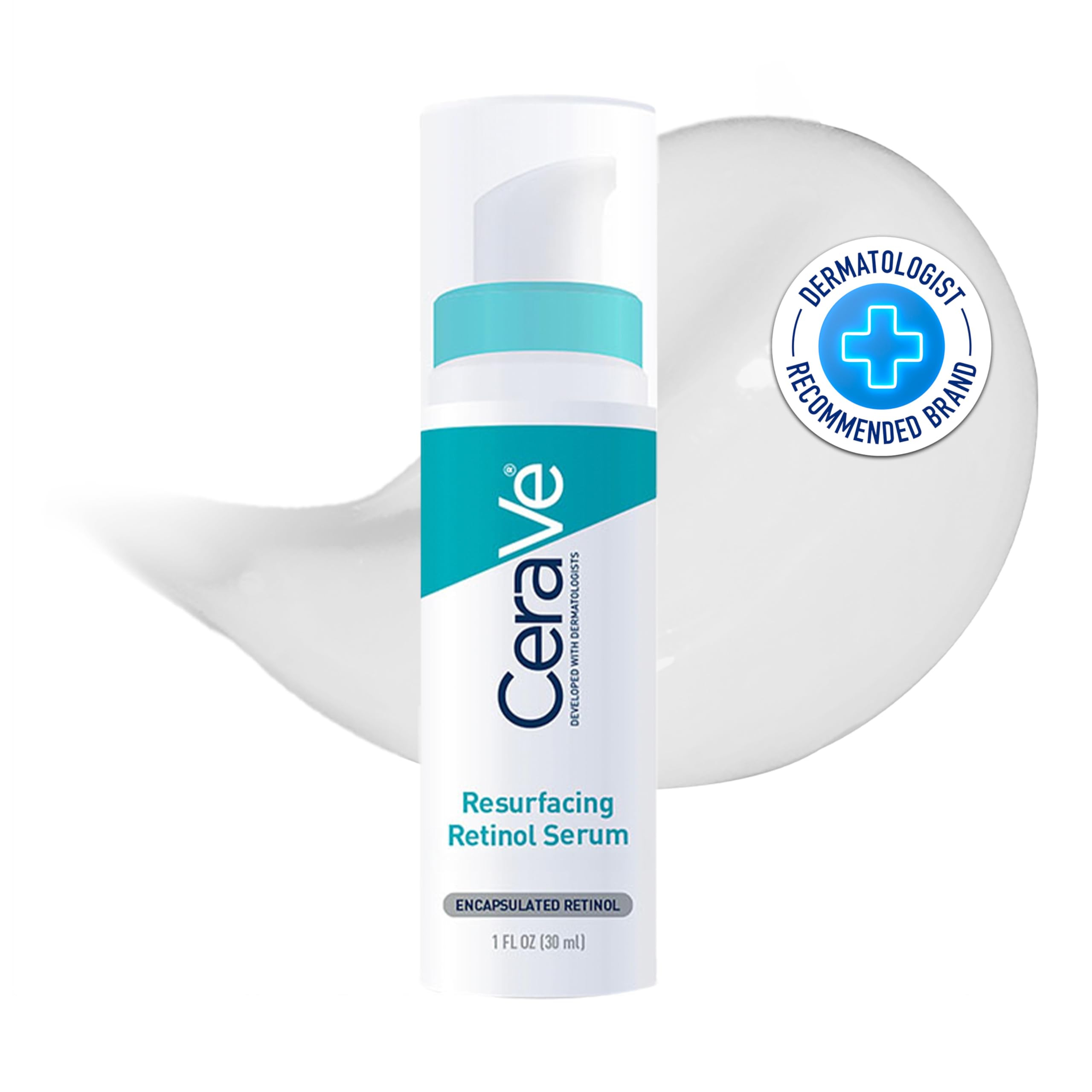
If retinol irritation is one of your skincare mistakes, this ceramide-infused formula is the fix.
As an Amazon Associate we earn from qualifying purchases. This is at no extra cost to you.
How to Fix It
- •Always check the expiration date before use.
- •Look for the "PAO symbol" (open jar icon) that tells how many months the product lasts after opening.
- •Throw away products that smell strange or change color or texture.
2. Trying Too Many New Products at Once
Many people get excited about skincare and start multiple new products at the same time. The problem? If your skin reacts badly, you won't know which product caused it. This can lead to irritation, redness, or unexpected breakouts.
How to Fix It
Introduce one new product at a time and wait at least 2–4 weeks before adding another. This helps your skin adjust and allows you to identify any product that doesn't suit you.
💡 Pro Tip: Not sure if your new active ingredients are compatible? Check them with our Ingredient Compatibility Checker before layering. For example, learn why niacinamide and retinol work well together but some combos don't.
3. Over-Exfoliating Your Skin
Exfoliation removes dead skin cells and helps your skin look brighter and smoother. But too much exfoliation can damage your skin barrier, leading to redness, dryness, sensitivity, and inflammation. Many people unknowingly overdo it with scrubs, chemical exfoliants, or exfoliating tools.
How to Fix It
Most dermatologists recommend exfoliating 1–3 times per week, depending on your skin type. If your skin feels tight, irritated, or overly sensitive, it may be a sign you're exfoliating too often.
Chemical exfoliants like AHAs and BHAs are generally gentler than physical scrubs. Learn more about how to layer skincare actives safely and avoid combining multiple exfoliants in the same routine. Also check the most dangerous skincare ingredient combos.
WarningNever combine multiple strong exfoliants (e.g., glycolic acid + salicylic acid) in the same routine — this can cause severe barrier damage.
4. Washing Your Face With Hot Water
Hot water may feel relaxing, but it strips away the natural oils that protect your skin. This can lead to dryness, redness, and irritation. When your skin loses its natural oils, it may even produce more oil to compensate, which can lead to breakouts.
How to Fix It
Use lukewarm water when washing your face. It cleans effectively without damaging your skin's protective barrier. Follow up with a gentle, pH-balanced cleanser and always apply moisturizer while your skin is still slightly damp to lock in hydration.
5. Using Dirty Makeup Brushes
Dirty makeup brushes are a hidden source of bacteria, oil, and dead skin cells. When you use them repeatedly without cleaning, you are spreading that buildup back onto your skin. This can cause acne, clogged pores, and skin infections.
Top Rated Products For This Routine
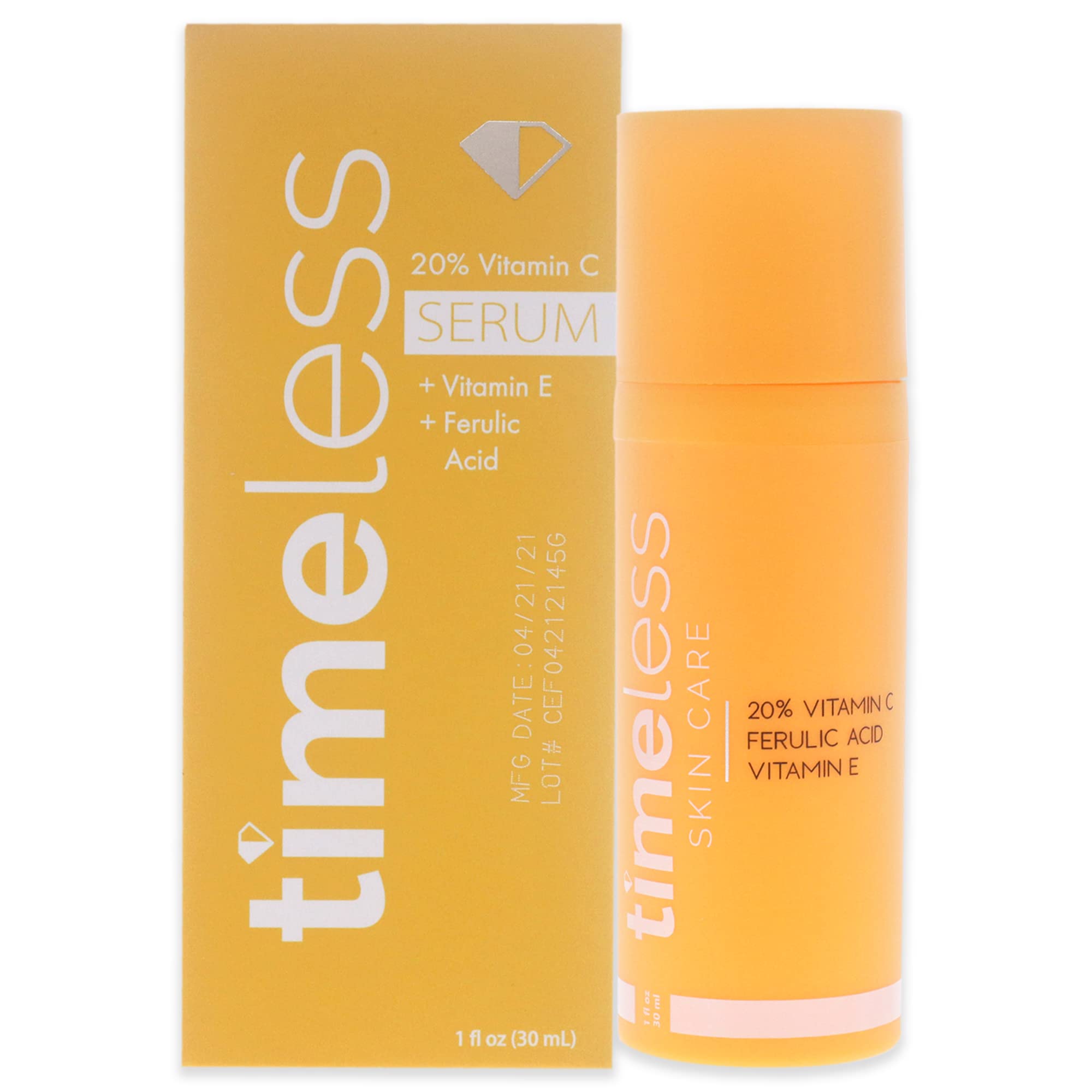
Two actives that work best kept separate by time of day.
As an Amazon Associate we earn from qualifying purchases. This is at no extra cost to you.
How to Fix It
Dermatologists recommend:
- •Clean brushes used for liquid/cream products weekly
- •Clean brushes used for powder products every 2 weeks
- •Use a gentle brush cleanser or mild soap and let them air dry completely
6. Skipping Sunscreen
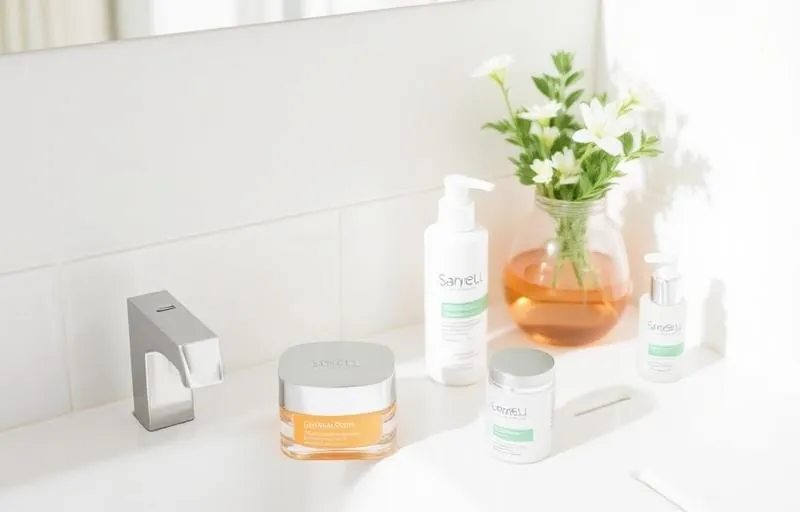
One of the biggest skincare mistakes people make is not wearing sunscreen daily. Sun exposure is the leading cause of premature aging, dark spots, and skin cancer. Even on cloudy days, harmful UV rays can still damage your skin.
7. Not Removing Makeup Properly
Sleeping with makeup on is one of the worst things you can do for your skin. Makeup traps dirt, oil, and environmental pollutants inside your pores, which can cause breakouts and dull skin.
How to Fix It
Follow a proper double-cleansing routine:
- Use a makeup remover or cleansing oil to dissolve makeup
- Wash your face with a gentle cleanser to remove any residue
This double-cleansing method ensures your skin is completely clean before bed. For the best results, follow with your evening skincare routine with glowing skin ingredients.
July 2026 Update
The 5 Mistakes That Show Up in Almost Every Routine
A handful of the same errors turn up again and again, across every skin type and age group. Ranked roughly by how often they appear:
- Under-dosing SPF: most people apply far less sunscreen than the amount used to determine the SPF number on the label. Applying less than the tested amount means you get less protection than the label promises — this is the biggest gap between what people do and what they expect.
- Layering retinol on damp skin: retinol absorbs faster into damp skin, which is a well-recognised amplifier of retinoid irritation. Drying the face completely before applying it is the simple fix.
- Using an AHA toner too frequently: exfoliating acids used most days leave the barrier no recovery time, and moisture loss and sensitivity tend to build gradually rather than appearing all at once.
- Layering vitamin C on top of, rather than under, moisturiser: this blocks most of the benefit. The correct order is thin water-based serum first, occlusive last.
- Introducing three or more new actives in the same week: when something goes wrong, there is no way to tell which product caused it. This is the easiest habit on the list to fix.
Fixing just two of these — sunscreen dosing and how often you use an exfoliating acid — is usually enough to calm an irritated routine, with no product swaps required.
Final Thoughts
Healthy skin isn't about having the most products — it's about using the right habits. By avoiding these common skincare mistakes and following a consistent routine, you can keep your skin healthy, glowing, and protected.
Small changes in your daily routine can make a big difference in the long run. Start today, and your skin will thank you later.
Check Your Skincare Routine
Want to make sure the ingredients in your routine aren't conflicting? Use our free tool to check any combination instantly.
Check Ingredient SafetyRecommended Products
Widely recommended products to help you avoid these skincare mistakes.
Vanicream Gentle Facial Cleanser
Fragrance-free, soap-free cleanser ideal for sensitive skin — perfect for lukewarm water washing.
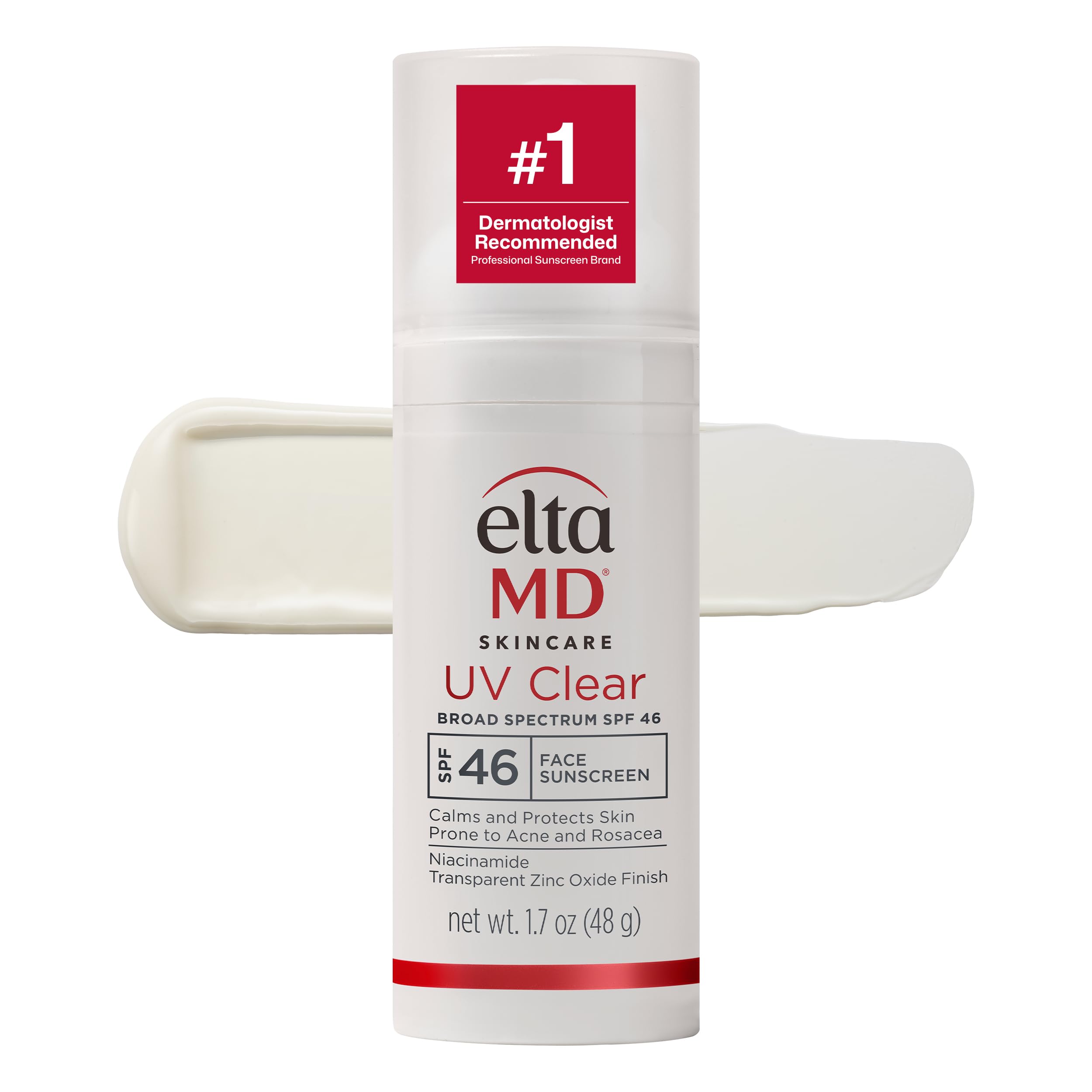
View on AmazonEltaMD UV Clear Broad-Spectrum SPF 46
Widely recommended daily sunscreen with niacinamide — essential sun protection for every routine.
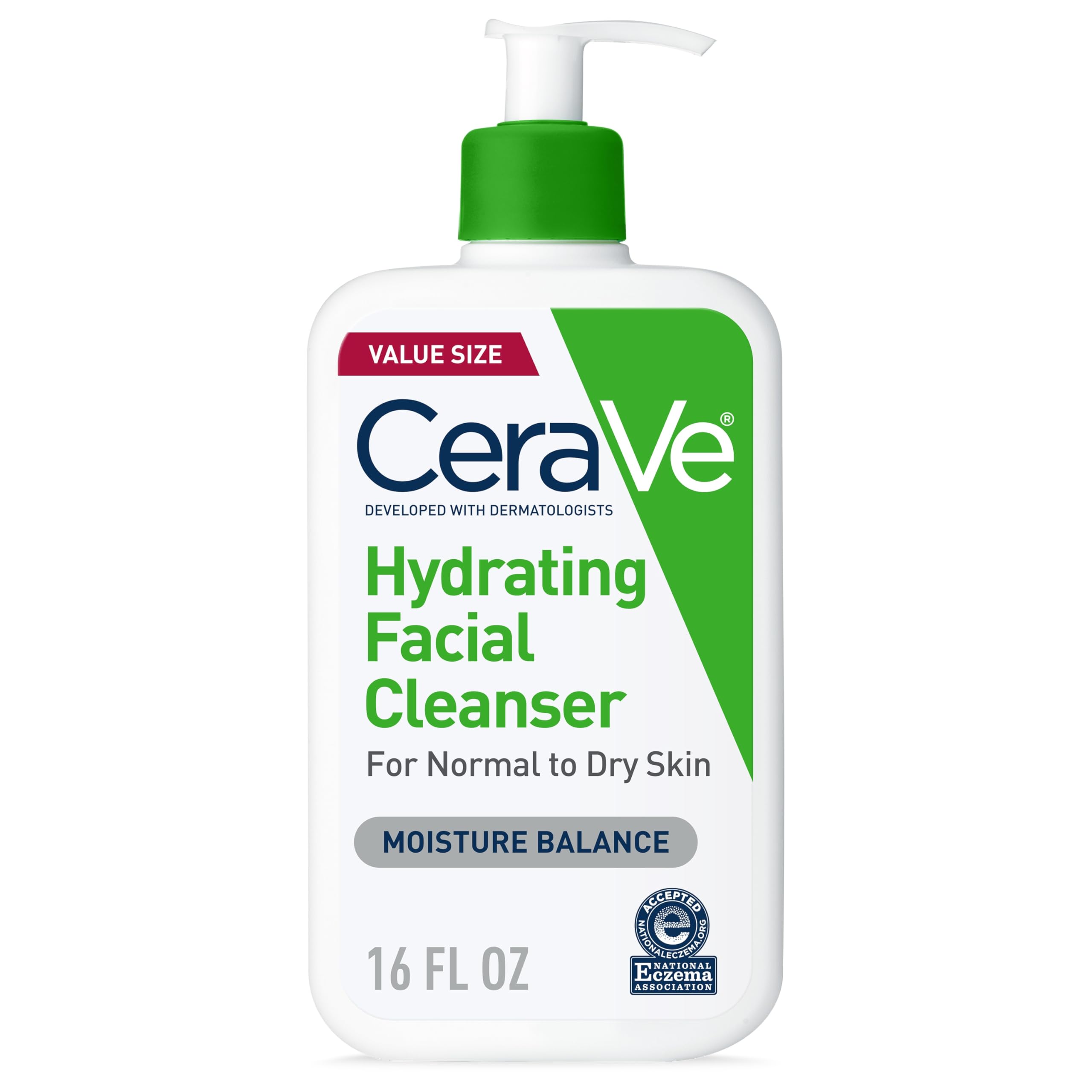
View on AmazonCeraVe Moisturizing Cream
Ceramide-rich barrier repair moisturizer — helps restore skin damaged by over-exfoliation or hot water.
View on AmazonPaula's Choice Skin Perfecting 2% BHA Liquid Exfoliant
Gentle chemical exfoliant for controlled, safe exfoliation 2–3 times per week.
View on AmazonGarnier Micellar Cleansing Water
Effective all-in-one makeup remover for proper nighttime cleansing — no rubbing needed.
View on AmazonCinema Secrets Makeup Brush Cleaner
Professional-grade brush cleaner that sanitizes and conditions brushes instantly.
View on AmazonAs an Amazon Associate, we earn from qualifying purchases. This helps support our free skincare tools.
Complete Your Routine — Shop The Products We Recommend
As an Amazon Associate we earn from qualifying purchases. This is at no extra cost to you.
Complete Your Routine — Shop The Products We Recommend
As an Amazon Associate we earn from qualifying purchases. This is at no extra cost to you.
How often should I replace my skincare products?
Most skincare products last 6–12 months after opening. Check the PAO (Period After Opening) symbol on the packaging — it shows how many months the product is safe to use after first opening.
Can over-exfoliating cause permanent damage?
Prolonged over-exfoliation can severely compromise your skin barrier, but it's usually reversible. Stop all exfoliants, focus on hydration and barrier repair, and your skin should recover within 2–4 weeks.
Is SPF 30 enough for daily use?
SPF 30 blocks about 97% of UVB rays and is sufficient for daily indoor/light outdoor use. If you're spending extended time outdoors, consider SPF 50 and reapply every 2 hours.
What's the best way to remove waterproof makeup?
Use a double-cleansing method: start with an oil-based cleanser or micellar water to dissolve makeup, then follow with a gentle water-based cleanser to remove any residue.
How often should I clean my makeup brushes?
Dermatologists recommend cleaning brushes used for liquid/cream products weekly, and brushes used for powder products every 2 weeks. Use a gentle brush cleanser or mild soap.
Related Articles
If you want to put this into practice, you can estimate the exact dose your face needs with our SPF calculator, map every step in the right order with our skincare routine planner, design a targeted regimen using our anti-aging routine builder, and confirm a product is still safe to use with our product expiry checker.
Why These Mistakes Cause So Much Damage
The single most damaging mistake in modern routines is not a specific ingredient — it is overuse. A great many people who describe themselves as having "sensitive skin" are using several leave-on actives every day, typically vitamin C, retinol and an exfoliating acid together. Cutting back to one active used every other day often resolves the symptoms on its own, without adding a single new product.
Sunscreen under-application is the second big one. The SPF number on a bottle is determined using a specific quantity of product — roughly a quarter teaspoon for the face alone. Most people apply considerably less than that, and protection drops off sharply when you do. This is why "I always wear SPF and still tan or burn" is such a common complaint: the product is not failing, the dose is.
A specific product fix for the under-application problem: switch from a thick mineral cream (which most people short-dose because of the white cast and tackiness) to a fluid hybrid like La Roche-Posay Anthelios UVMune 400 Fluid or Beauty of Joseon Relief Sun, both of which spread thin enough that the full 1/4 teaspoon dose actually layers under makeup without pilling. The dose, not the SPF number on the label, is where the protection lives.
Written by me
Skincare Researcher & Founder of Skin Care Conflict
I built this site after a bad reaction from mixing two skincare ingredients I'd assumed were fine together.
When I went looking for answers, I found the same problem everywhere — plenty of opinions, very little explanation. Nobody telling me why two things shouldn't go on my face on the same night, or whether the serum at the back of my cabinet had gone off, or what a treatment should actually cost before walking into a clinic.
So I spent a long time reading formulation chemistry and published dermatology research, and built the ingredient checker I wanted when I needed it. Then I kept going, because the same gaps kept showing up — which is why there's now a routine planner, an expiry checker, a treatment cost estimator and several other tools.
Everything here is free, and it exists because I couldn't find it anywhere else. I'm not a dermatologist, and this site isn't a substitute for one. It's the resource I wish I'd had.
All articles on this site are written or reviewed for accuracy. For personalised advice, we always recommend consulting a qualified dermatologist.