
How to Apply Vitamin C Serum on Face: Evidence-Based Guide
If you want brighter skin, fewer dark spots, and protection against premature aging, Vitamin C serum is one of the most powerful tools in your skincare routine. But using it incorrectly can reduce its effectiveness — or even irritate your skin.
Last updated: May 20, 2026

Why Vitamin C Is Essential for Your Skin
Vitamin C (L-ascorbic acid and its derivatives) is a scientifically proven antioxidant that delivers multiple skin benefits:
- Neutralizes free radicals caused by UV rays and pollution
- Boosts collagen production — improves firmness and fine lines
- Reduces hyperpigmentation and acne marks
- Brightens dull and uneven skin tone
- Strengthens the skin barrier
In today's world, where UV exposure and pollution levels are high, Vitamin C is especially beneficial for daily environmental protection.
Recommended Product
CeraVe Hydrating Facial Cleanser
Gentle, sulfate-free cleanser perfect for prepping skin before Vitamin C serum application.
View on AmazonStep-by-Step: How to Apply Vitamin C Serum Correctly
Following the right application method ensures maximum absorption and visible results.
Step 1: Start with a Gentle Cleanser
Always apply Vitamin C on clean skin.
- Use a mild, sulfate-free cleanser
- Remove oil, sunscreen, and dirt completely
- Avoid harsh scrubs before application
Clean skin improves penetration and effectiveness.
Step 2: Pat Dry (Do Not Rub)
- Gently pat your skin dry with a soft towel
- Avoid rubbing, especially if you have sensitive or acne-prone skin
Friction can cause irritation and compromise your skin barrier.

Step 3: Apply Toner (Optional but Helpful)
- Choose an alcohol-free toner
- Apply before Vitamin C
Toner helps balance skin pH, which improves serum absorption — especially important for L-ascorbic acid formulas.
Step 4: Use the Right Amount
More is NOT better.
- Use 2–3 drops (pea-sized amount)
- Spread evenly across your face
- Avoid over-application
Excess serum does not increase results — it increases irritation risk.
Step 5: Apply Using Gentle Pressing Motions
- Start from the center of the face and move outward
- Lightly press or pat into the skin
- Avoid aggressive rubbing
You may also extend application to your neck and décolletage (upper chest) — these areas show early signs of aging.
Step 6: Wait 60–90 Seconds
Allow the serum to fully absorb before layering other products. This prevents dilution and ensures maximum effectiveness.
Step 7: Follow with Moisturizer
Moisturizer helps lock in hydration, reduce potential irritation, and strengthen the skin barrier.
- Oily skin: Use lightweight gel moisturizer
- Dry skin: Use cream-based moisturizer
Step 8: Apply Sunscreen (Morning Routine Essential)
Vitamin C does NOT make skin photosensitive directly — but sunscreen is mandatory because:
- It enhances Vitamin C's protective benefits
- Prevents further pigmentation
- Protects collagen
Use SPF 30 or higher, broad-spectrum sunscreen daily.
Top Rated Products For This Routine
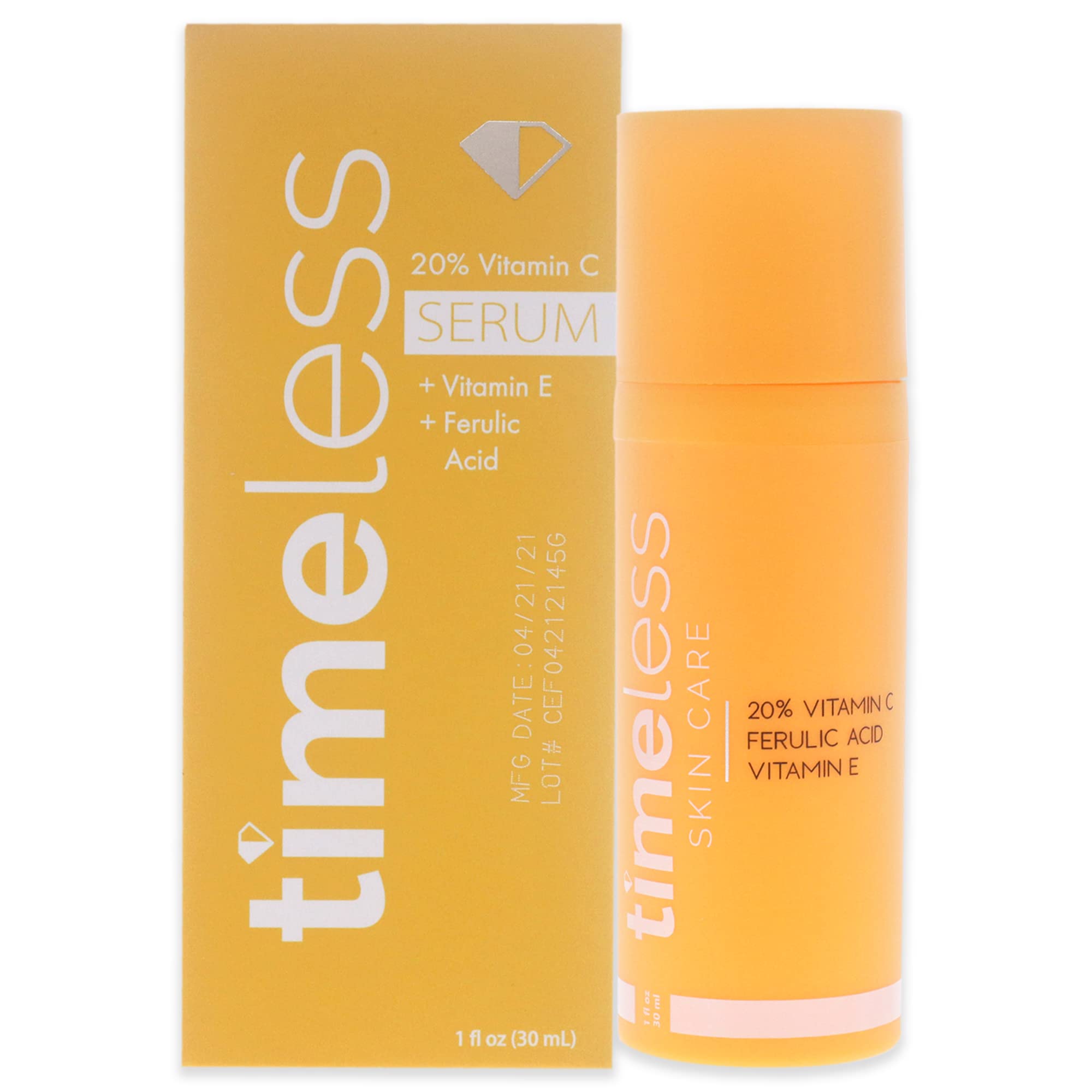
For experienced users wanting maximum brightening results.
As an Amazon Associate we earn from qualifying purchases. This is at no extra cost to you.
Recommended Product
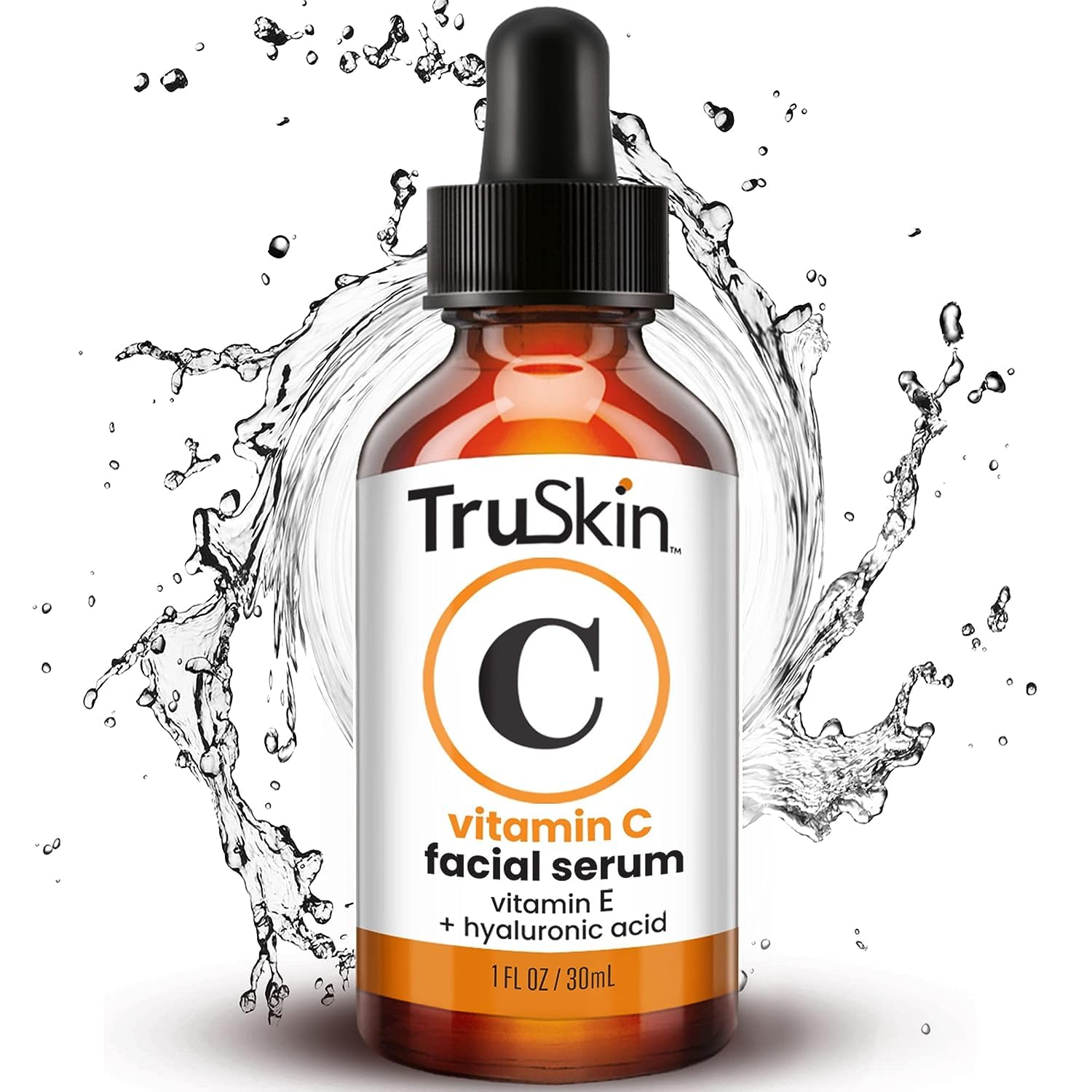
TruSkin Vitamin C Serum for Face
Best-selling Vitamin C serum with hyaluronic acid and vitamin E — lightweight, effective, and beginner-friendly.
View on AmazonHow Often Should You Use Vitamin C Serum?
For Beginners
- • Start once daily (morning recommended)
- • Sensitive skin: Use every alternate day initially
For Experienced Users
- • Daily use is safe
- • Some advanced users apply twice daily if tolerated
Consistency matters more than frequency.
Choosing the Right Vitamin C Serum
1. Type of Vitamin C
- L-Ascorbic Acid (10–20%) → Most potent, ideal for pigmentation
- Sodium Ascorbyl Phosphate → Good for acne-prone skin
- Magnesium Ascorbyl Phosphate → Gentler, suitable for sensitive skin
2. Packaging
- Dark glass bottle
- Airtight pump preferred
- Avoid transparent packaging
Vitamin C degrades with light and air exposure.
3. Texture Based on Skin Type
- Oily skin → Water-based serum
- Dry skin → Hydrating formula with hyaluronic acid
- Sensitive skin → Lower concentration (10%)
Recommended Product
La Roche-Posay Pure 12% Vitamin C Serum
12% pure vitamin C with hyaluronic acid and salicylic acid — dermatologist-tested formula for brightening and smoothing skin.
View on AmazonCommon Mistakes to Avoid
- Using too much product
- Applying on wet skin (can increase irritation)
- Mixing immediately with strong acids or retinol
- Storing in hot bathroom cabinets
- Expecting overnight results
Can You Use Vitamin C with Other Actives?
Yes — but carefully. Check these ingredient combinations:
| Ingredient | Safe to Combine? | Advice |
|---|---|---|
| Hyaluronic Acid | Yes | Excellent hydration pairing |
| Niacinamide | Yes | Helps barrier support |
| Retinol | With caution | Use Vitamin C in morning, retinol at night |
| Benzoyl Peroxide | Avoid same routine | Can reduce effectiveness |
Check These Combinations:
Vitamin C + Hyaluronic Acid
Recommended For This
Best starter vitamin C serum — stable formula with clear application instructions on the packaging.
As an Amazon Associate we earn from qualifying purchases. This is at no extra cost to you.
Excellent hydrating duo — safe for daily use together.
Vitamin C + Niacinamide
Recommended For This
Best starter vitamin C serum — stable formula with clear application instructions on the packaging.
As an Amazon Associate we earn from qualifying purchases. This is at no extra cost to you.
Widely considered safe and complementary.
Vitamin C + Retinol
Recommended For This
Best starter vitamin C serum — stable formula with clear application instructions on the packaging.
As an Amazon Associate we earn from qualifying purchases. This is at no extra cost to you.
Use Vitamin C AM, retinol PM for best results.
Vitamin C + Benzoyl Peroxide
Recommended For This
Best starter vitamin C serum — stable formula with clear application instructions on the packaging.
As an Amazon Associate we earn from qualifying purchases. This is at no extra cost to you.
Benzoyl peroxide can oxidize and deactivate Vitamin C.
Vitamin C + Glycolic Acid
Recommended For This
Best starter vitamin C serum — stable formula with clear application instructions on the packaging.
As an Amazon Associate we earn from qualifying purchases. This is at no extra cost to you.
Both are acidic — layer carefully or alternate days.
Vitamin C + Salicylic Acid
Recommended For This
Best starter vitamin C serum — stable formula with clear application instructions on the packaging.
As an Amazon Associate we earn from qualifying purchases. This is at no extra cost to you.
Can be combined but watch for irritation on sensitive skin.
Recommended Product
CeraVe Moisturizing Cream
Ceramide-rich moisturizer to lock in hydration after Vitamin C serum — essential for all skin types.
View on AmazonDo's and Don'ts of Vitamin C Serum
Do's
- ✔ Patch test before first use
- ✔ Store in a cool, dark place
- ✔ Use sunscreen daily
- ✔ Stay consistent for 8–12 weeks
- ✔ Check expiry and color (should not turn dark brown)
Don'ts
- ✘ Don't use expired or oxidized serum
- ✘ Don't mix randomly with multiple actives
- ✘ Don't skip moisturizer
- ✘ Don't expect instant whitening
What Results Can You Expect — and When?
weeks
Skin appears brighter with improved radiance
weeks
Pigmentation starts fading — dark spots become less visible
weeks
Improved texture and glow — firmer, smoother skin
Vitamin C works gradually by stimulating collagen and regulating melanin production. Patience + consistency = visible transformation.
Recommended Product
EltaMD UV Clear Broad-Spectrum SPF 46
Widely recommended sunscreen — mandatory after Vitamin C to protect collagen and prevent pigmentation.
View on AmazonFinal Verdict: Is Vitamin C Serum Worth It?
Absolutely — when used correctly. Vitamin C is one of the most researched and widely recommended skincare ingredients available today. If you apply it correctly, choose the right formula, and stay consistent, you can achieve:
- Brighter skin
- Reduced dark spots
- Improved firmness
- Healthier glow
- Long-term anti-aging protection
Remember: Skincare is not about expensive products — it's about correct application and consistency.
Start smart. Stay consistent. Protect your skin daily.
Related Guides You'll Love:
How to Layer Skincare Actives Safely
The complete beginner's guide to layering order
Retinol vs Retinoid: What's the Real Difference?
Strength rankings, uses, and which one to choose
Niacinamide and Retinol Together
Safe layering techniques for this powerful combo
Retinol Before and After Timeline
Week-by-week results and what to expect
FAQ: Vitamin C Serum Questions
Complete Your Routine — Shop The Products We Recommend
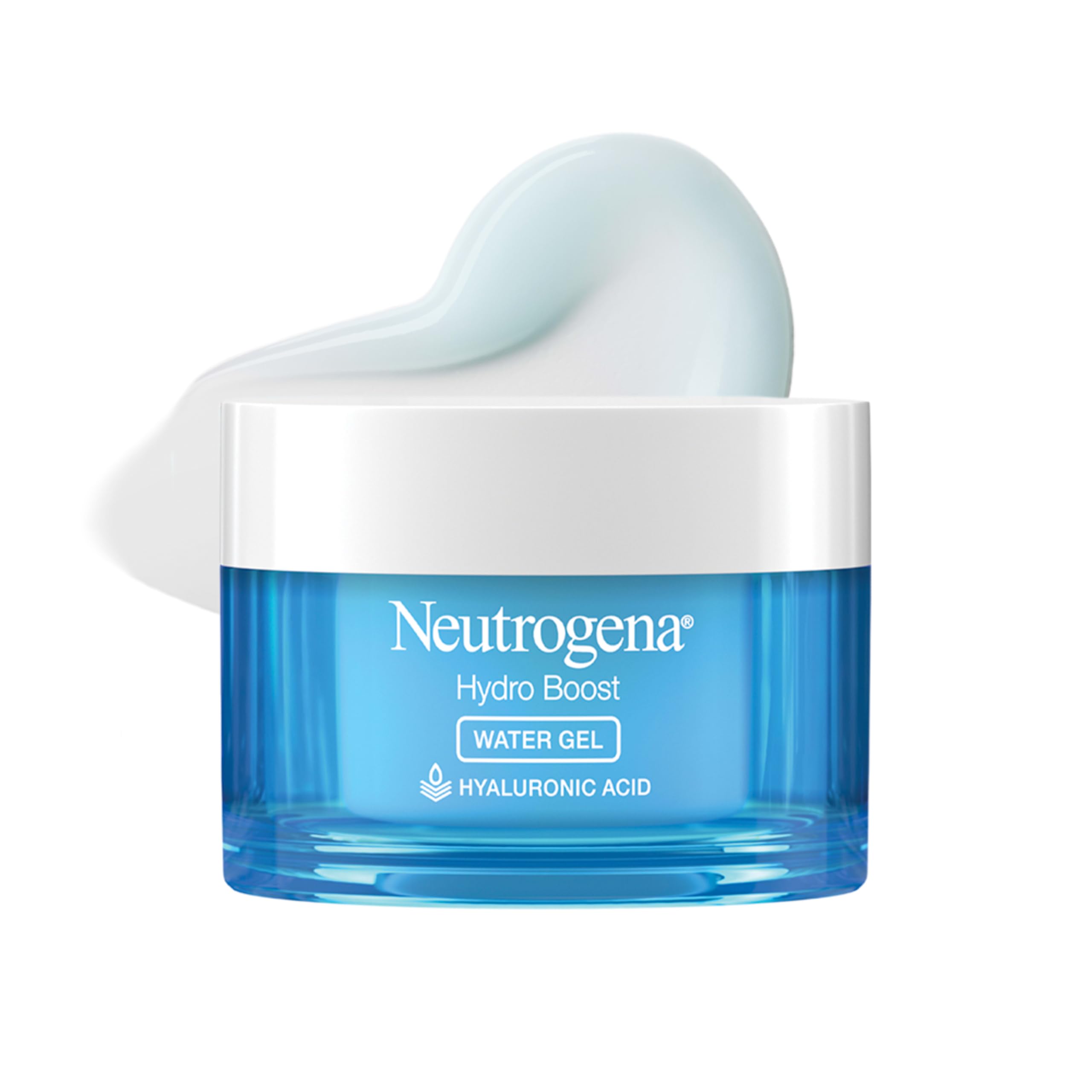
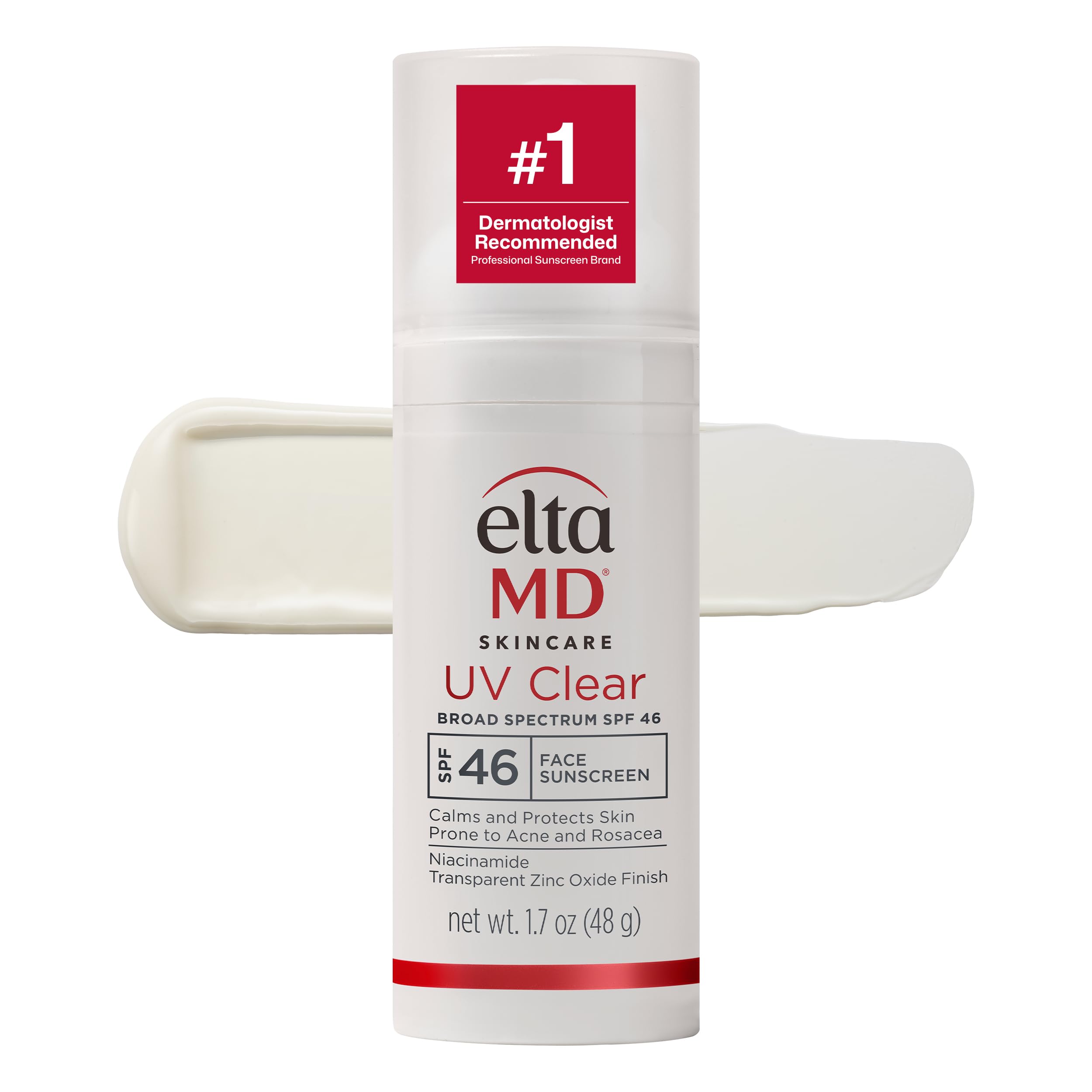
Always finish a morning vitamin C routine with broad-spectrum SPF.
As an Amazon Associate we earn from qualifying purchases. This is at no extra cost to you.
If you want to put this into practice, you can estimate the exact dose your face needs with our SPF calculator, map every step in the right order with our skincare routine planner, design a targeted regimen using our anti-aging routine builder, see what each bottle actually costs per application with our cost per use calculator, and confirm a product is still safe to use with our product expiry checker.
Disclaimer: This content is for educational and informational purposes only and is not intended as medical advice. For personalized skincare guidance or specific skin concerns, consult a qualified dermatologist or healthcare professional.
Application Technique: The Specific Mistakes That Cut Efficacy in Half
The state of your skin when you apply vitamin C changes how much of it actually gets in. L-ascorbic acid is highly water-soluble, so on damp skin it dilutes into the surface water rather than crossing into the skin. A residue of cleansing oil left on the face is worse still, because the oily film blocks a water-based serum almost entirely. Vitamin C works best on completely dry, thoroughly rinsed skin.
The fix is procedural, not product-based: cleanse, towel-dry, wait until the skin is genuinely dry rather than merely towel-blotted, then apply a few drops of vitamin C. Pat rather than rub until the serum feels tacky, then pause again before the next product. It is not a ritual — it is the difference between the serum absorbing and the serum sitting on a wet surface.
If you tend to flush or sting after vitamin C, follow it with a soothing barrier cream such as Avène Cicalfate+ Restorative Protective Cream rather than another lightweight serum, then proceed with your usual moisturiser. Stinging on an L-ascorbic acid serum is common, and buffering the step that follows it often resolves an "I can't tolerate vitamin C" problem without changing the serum at all.
Written by me
Skincare Researcher & Founder of Skin Care Conflict
I built this site after a bad reaction from mixing two skincare ingredients I'd assumed were fine together.
When I went looking for answers, I found the same problem everywhere — plenty of opinions, very little explanation. Nobody telling me why two things shouldn't go on my face on the same night, or whether the serum at the back of my cabinet had gone off, or what a treatment should actually cost before walking into a clinic.
So I spent a long time reading formulation chemistry and published dermatology research, and built the ingredient checker I wanted when I needed it. Then I kept going, because the same gaps kept showing up — which is why there's now a routine planner, an expiry checker, a treatment cost estimator and several other tools.
Everything here is free, and it exists because I couldn't find it anywhere else. I'm not a dermatologist, and this site isn't a substitute for one. It's the resource I wish I'd had.
All articles on this site are written or reviewed for accuracy. For personalised advice, we always recommend consulting a qualified dermatologist.