
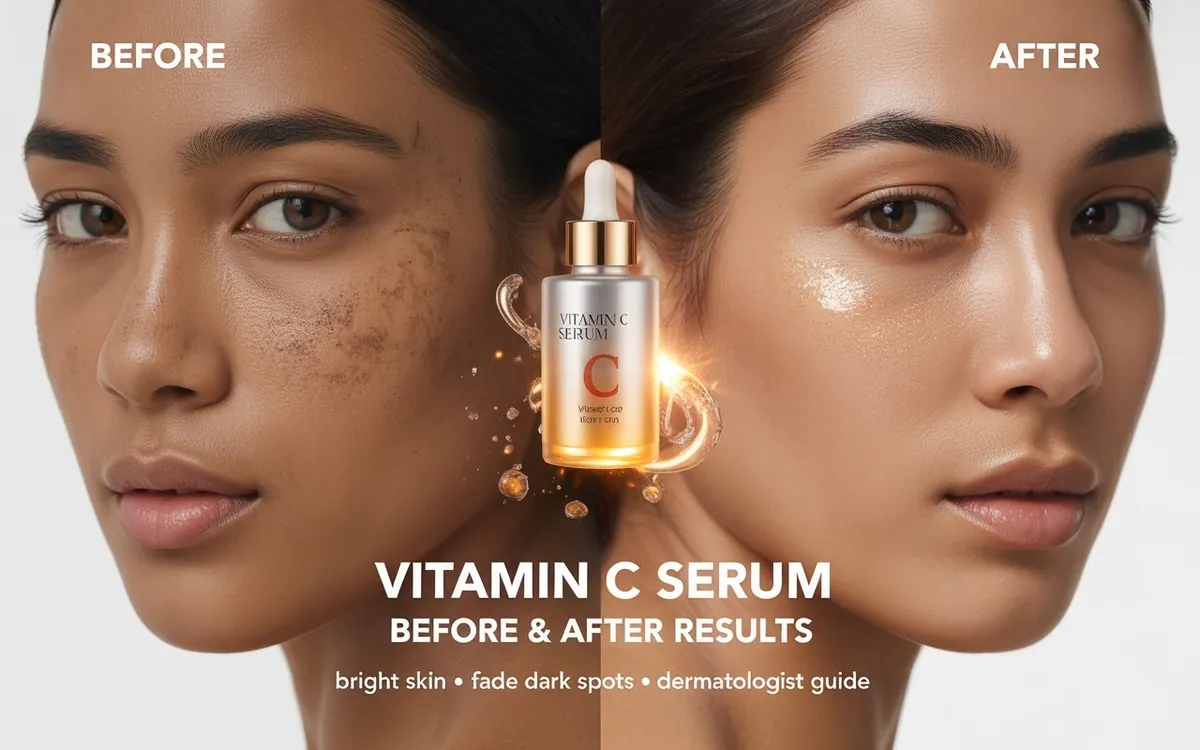
What Is Vitamin C Serum?
Vitamin C serum is a lightweight skincare product formulated with Vitamin C (usually L-ascorbic acid), a powerful antioxidant that helps protect and repair skin cells. Unlike creams, serums contain high concentrations of active ingredients, allowing them to penetrate deeper into the skin.
Vitamin C plays several important roles in skin health—from neutralizing free radicals to boosting collagen production and fading dark spots. This makes it one of the most versatile and effective ingredients in modern skincare.
How Vitamin C Works on Skin (Science Explained)
Vitamin C works at the cellular level to protect and repair skin through four key mechanisms:
Recommended For This
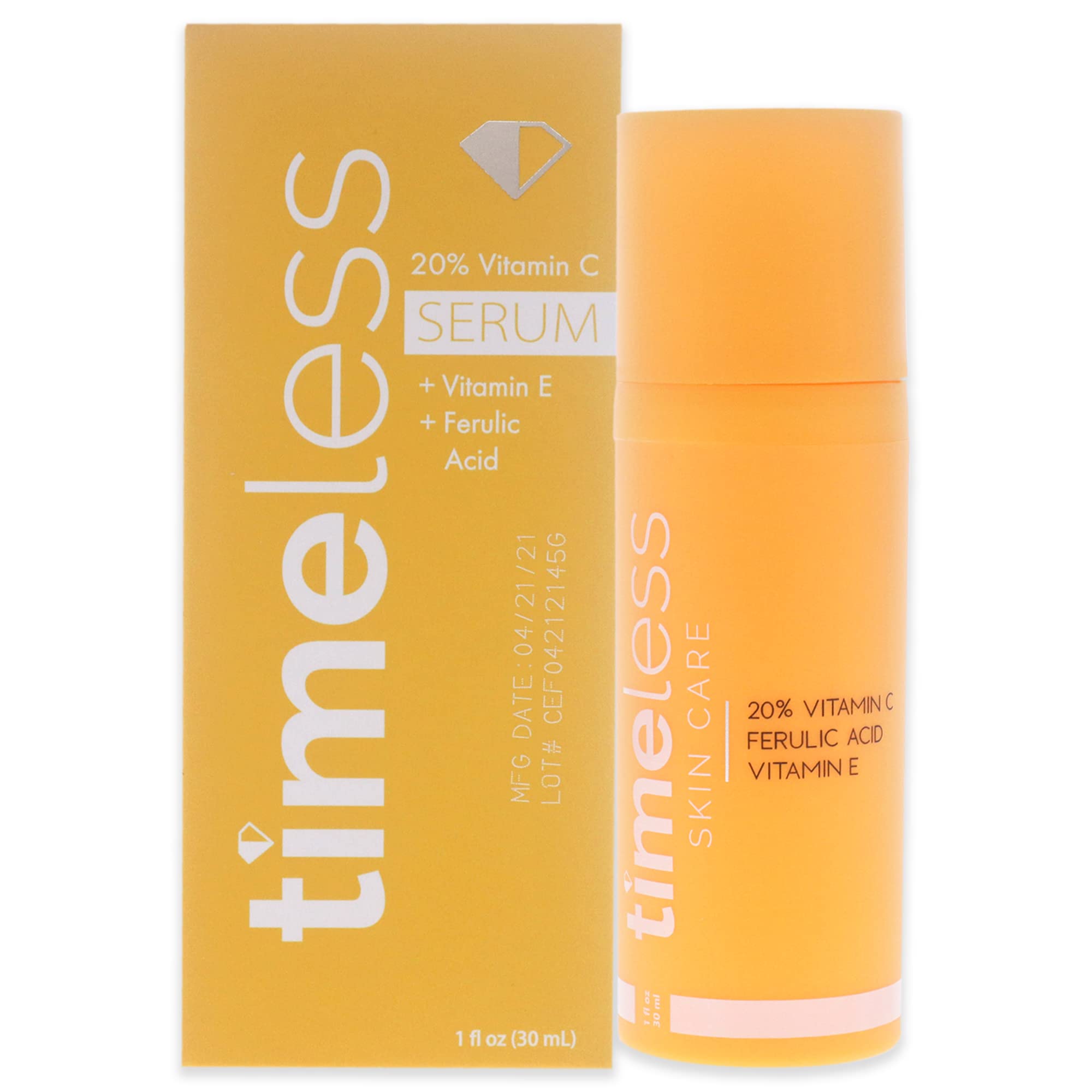
Clinical-strength vitamin C at a fraction of the SkinCeuticals price — same core formula, same results.
As an Amazon Associate we earn from qualifying purchases. This is at no extra cost to you.
1. Neutralizes Free Radicals
Daily exposure to pollution, UV rays, and environmental stress produces unstable molecules called free radicals. Vitamin C acts as an antioxidant, neutralizing them before they damage skin cells and accelerate aging.
2. Boosts Collagen Production
Collagen is the structural protein responsible for firm, youthful skin. With age, production slows—leading to fine lines and loss of elasticity. Vitamin C stimulates fibroblast cells to produce more collagen.
3. Reduces Hyperpigmentation
Vitamin C inhibits tyrosinase, the enzyme responsible for melanin production. This helps fade dark spots, sun spots, post-acne marks, and uneven skin tone.
4. Strengthens the Skin Barrier
Vitamin C supports the skin barrier, improving hydration and helping skin defend itself against environmental stress and irritation.
Benefits of Vitamin C Serum
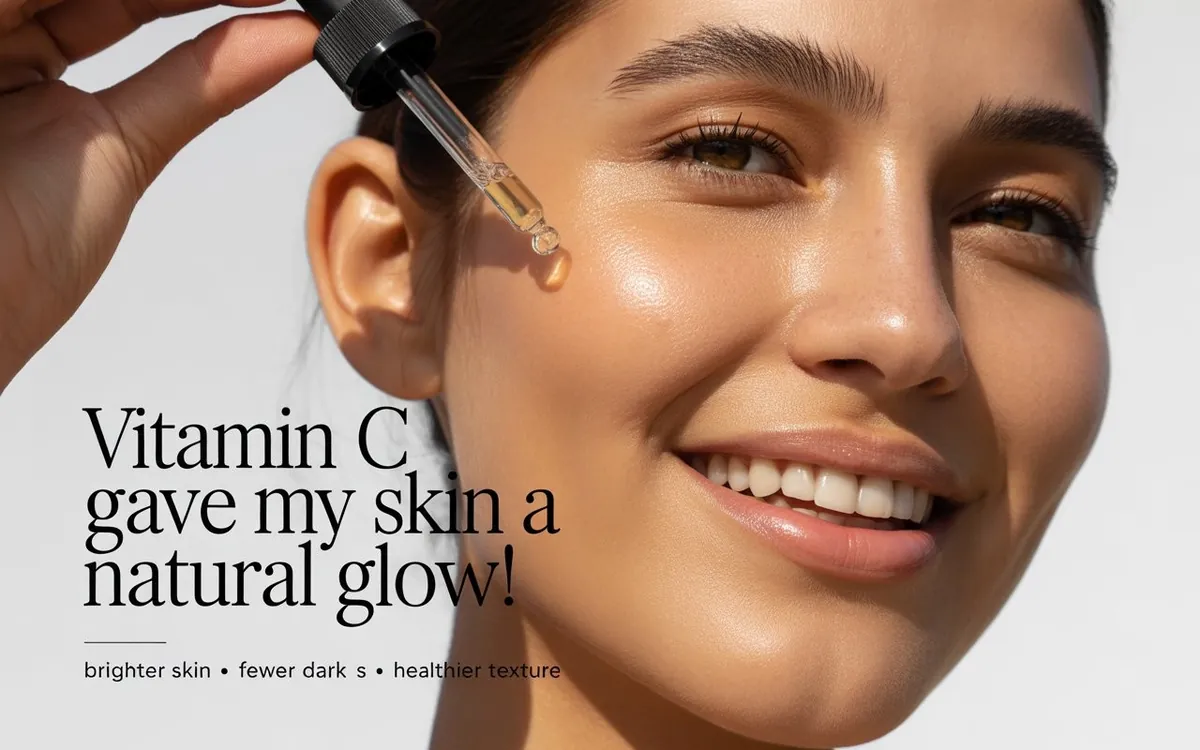
Brightens Dull Skin
Restores natural radiance by improving skin tone and reducing dullness.
Reduces Dark Spots
Gradually fades pigmentation caused by sun damage, acne scars, and aging.
Improves Skin Texture
Regular use smooths rough patches and improves overall skin texture.
Minimizes Fine Lines
Collagen stimulation helps reduce the appearance of fine lines and wrinkles.
Protects Against Environmental Damage
Protects skin from pollution and UV-induced oxidative stress.
Supports Skin Healing
Helps repair damaged skin and speeds recovery from acne marks or irritation.
Vitamin C Serum Before and After Results Timeline
Results from Vitamin C serum appear gradually with consistent use. Here's a realistic timeline dermatologists often observe:
Initial Brightness
- Reduced dullness
- Slight improvement in glow
- Skin feeling smoother
Improved Skin Tone
- Fading of mild hyperpigmentation
- More even skin tone
- Healthier overall appearance
Visible Skin Transformation
- Softer fine lines
- Smoother texture
- Reduced acne marks
- Improved elasticity
Long-Term Benefits
- Brighter complexion
- Faded dark spots
- Firmer skin
- Improved hydration and elasticity
Vitamin C Serum Before and After for Different Skin Types
Dry Skin
Before
- • Rough
- • Dull
- • Tight
- • Lacking elasticity
After
- Smoother skin
- Improved hydration
- Softer fine lines
- Increased brightness
💡 Pair Vitamin C with hyaluronic acid and moisturizer for maximum hydration.
Oily Skin
Before
- • Enlarged pores
- • Uneven tone
- • Post-acne marks
After
- Clearer skin tone
- Faded acne marks
- Less visible pores
- More balanced skin
💡 Choose lightweight, oil-free Vitamin C formulas.
Acne-Prone Skin
Before
- • Redness
- • Post-acne scars
- • Uneven texture
After
- Faded acne marks
- Reduced redness
- Clearer complexion
- Improved skin recovery
💡 Use non-comedogenic Vitamin C formulas to avoid clogged pores.
Sensitive Skin
Before
- • Irritation-prone
- • Weak barrier
- • Dehydrated
After
- Reduced irritation
- Stronger skin barrier
- Improved hydration
- Healthier tone
💡 Start with lower concentrations (5–10%) to minimize irritation.
How to Use Vitamin C Serum Properly (Step-by-Step)
Proper application is essential for achieving the best before and after results.
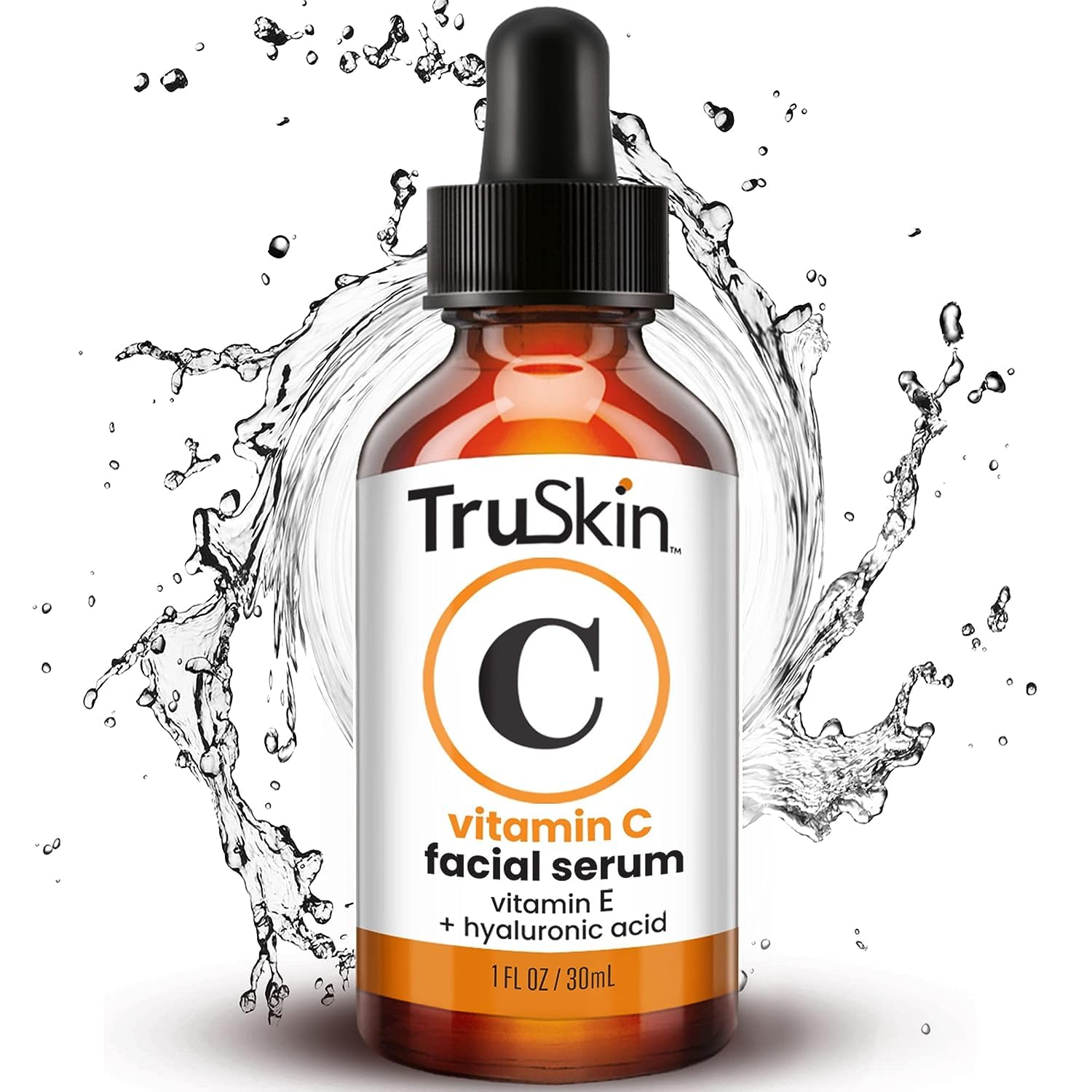
Top Rated Products For This Routine
20% L-ascorbic acid with vitamin E and ferulic — gold-standard brightener.
As an Amazon Associate we earn from qualifying purchases. This is at no extra cost to you.
Morning Routine
- 1Cleanse your face with a gentle cleanser
- 2Apply 2–3 drops of Vitamin C serum
- 3Spread evenly across face and neck
- 4Allow the serum to absorb for about 1 minute
- 5Apply moisturizer
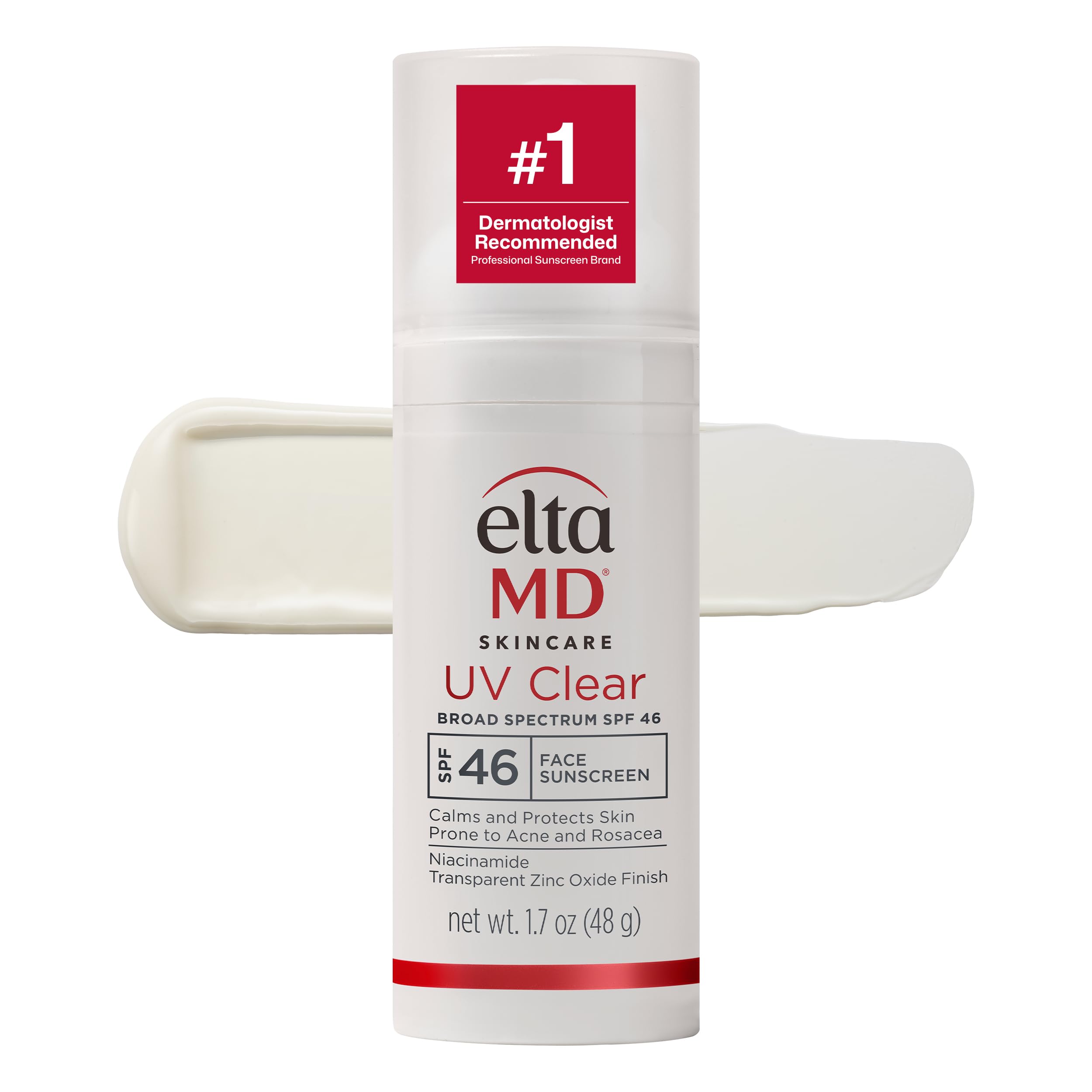
- 6Finish with broad-spectrum sunscreen (SPF 30+)
💡 Vitamin C works best in the morning because it helps protect skin from environmental damage during the day. For a detailed application guide, see our step-by-step Vitamin C application guide.
Best Ingredients to Look for in Vitamin C Serums
L-Ascorbic Acid
The most effective and well-studied form of Vitamin C. Ideal concentration: 10–20%.
Vitamin E
Enhances antioxidant protection and improves skin hydration.
Ferulic Acid
Stabilizes Vitamin C and increases its effectiveness significantly.
Hyaluronic Acid
Provides hydration and plumps the skin for a smoother appearance.
Peptides
Support collagen production and skin repair for anti-aging benefits.
Common Mistakes That Reduce Vitamin C Effectiveness
Using Oxidized Vitamin C
If your serum turns dark orange or brown, it has oxidized and lost effectiveness. Replace it immediately.
Skipping Sunscreen
Without sunscreen, UV exposure cancels out the brightening benefits. Always use SPF 30+ daily.
Using Too High Concentration
High concentrations (>20%) may irritate sensitive skin without additional benefits. Start at 10–15%.
Inconsistent Use
Vitamin C works best with daily, long-term use. Skipping days delays results significantly.
Improper Storage
Vitamin C degrades when exposed to air and light. Store in dark, airtight bottles away from heat.
Vitamin C Serum Myths vs Facts
Vitamin C works instantly
Most visible results appear after 4–8 weeks of consistent use.
Vitamin C cannot be used with other ingredients
It pairs well with hyaluronic acid, niacinamide, and even retinol (AM/PM split).
Higher concentration is always better
Concentrations above 20% may cause irritation without additional benefits.
Vitamin C replaces sunscreen
It complements sunscreen but does not replace UV protection.
Dermatologist Tips for Better Results
- Start with lower concentrations if you have sensitive skin
- Apply Vitamin C on slightly damp skin for better absorption
- Combine with hydrating ingredients like hyaluronic acid
- Use sunscreen daily — this is non-negotiable
- Be consistent for at least 8–12 weeks before judging results
Best Ingredient Combinations with Vitamin C
Certain skincare combinations enhance Vitamin C effectiveness. Check compatibility before mixing:
Vitamin C + Hyaluronic Acid
Improves hydration and plumps skin. A perfect daily pairing.
Vitamin C + Niacinamide
Helps reduce redness and improve skin tone. Safe to layer.
Vitamin C + Retinol
Supports skin renewal. Use Vitamin C in AM and retinol in PM.
Vitamin C + Glycolic Acid
Both are acidic — use on alternate days to avoid irritation.
Vitamin C + Salicylic Acid
Can work together but may irritate sensitive skin. Separate routines.
Vitamin C + Lactic Acid
Gentler acid pairing — good for brightening and mild exfoliation.
Safety and Side Effects
Vitamin C is generally safe for most skin types, but some people may experience mild initial irritation:
Possible Side Effects
- • Tingling sensation
- • Temporary redness
- • Mild dryness
To Minimize Irritation
- • Start with lower concentrations
- • Use every other day initially
- • Pair with moisturizer
If irritation persists, consult a dermatologist.
Recommended Products for Vitamin C Results
TruSkin Vitamin C Serum for Face
Best-selling Vitamin C serum with hyaluronic acid and vitamin E — perfect for before and after transformation.
Timeless 20% Vitamin C + E Ferulic Acid Serum
20% L-ascorbic acid with vitamin E and ferulic acid — widely recommended for visible brightening results.
La Roche-Posay Pure Vitamin C Serum
10% pure vitamin C with hyaluronic acid — dermatologist-tested for brightening and texture improvement on sensitive skin.
Related Guides
How to Apply Vitamin C Serum on Face →
Step-by-step application guide for maximum results.
Retinol Before and After Timeline →
Compare Vitamin C and retinol transformation timelines.
Niacinamide and Retinol Routine →
Learn how to combine key actives safely.
Retinol vs Retinoid: The Difference →
Understand retinoids before pairing with Vitamin C.
Complete Your Routine — Shop The Products We Recommend
Clinical-strength antioxidant serum for brightening.
As an Amazon Associate we earn from qualifying purchases. This is at no extra cost to you.
Frequently Asked Questions
If you want to put this into practice, you can estimate the exact dose your face needs with our SPF calculator, map every step in the right order with our skincare routine planner, and design a targeted regimen using our anti-aging routine builder.
Final Thoughts
The before and after results of Vitamin C serum demonstrate why it remains one of the most trusted skincare ingredients recommended by dermatologists. With consistent use, Vitamin C can brighten dull skin, reduce hyperpigmentation, improve texture, boost collagen, and protect against environmental damage.
When combined with proper skincare habits—especially daily sunscreen and hydration—Vitamin C serum can significantly improve overall skin health and appearance. For anyone looking to achieve brighter, smoother, and more youthful skin, incorporating Vitamin C serum into a daily routine is a powerful and science-backed step.
Medical Disclaimer
This article is for informational purposes only and does not constitute medical advice. Always consult a board-certified dermatologist before starting any new skincare treatment. Individual results may vary.