
The 5 Anti-Aging Ingredients With the Strongest Evidence
Last updated: August 19, 2026
This post contains affiliate links. If you buy through them, we may earn a small commission at no extra cost to you.

Walk into any skincare aisle and you'll find hundreds of jars promising to turn back the clock. Strip away the marketing, though, and the ingredients backed by real clinical data narrow down to a short list. Estheticians, dermatologists, and med spa professionals keep coming back to the same five actives not because they're trendy, but because decades of peer-reviewed research keep proving they work.
Knowing what these ingredients do is only half the picture, though. The bigger question most guides skip is how they behave next to each other because two perfectly good actives, layered the wrong way, can cancel each other out or leave your skin barrier worse off than when you started. That's the gap this guide fills.
1. Retinol The Cell-Turnover Powerhouse

Retinol, a derivative of vitamin A, remains the most extensively studied over-the-counter anti-aging ingredient available. It works by binding to retinoic acid receptors in the skin, which speeds up cell turnover, ramps up collagen synthesis, and gradually smooths fine lines, uneven texture, and hyperpigmentation.
The tradeoff is tolerance. Retinol is notorious for the "retinization" phase flaking, dryness, and mild sensitivity as your skin adjusts. The fix isn't to power through it; it's to start low (around 0.25–0.5%) two to three nights a week and build up slowly over four to six weeks. If your skin is reactive, a gentler plant-based alternative like bakuchiol can offer similar collagen-supporting benefits with far less irritation you can compare the two head-to-head in our bakuchiol and retinol guide.
One detail most ingredient roundups leave out: whether benzoyl peroxide degrades a retinoid depends heavily on which retinoid and which formulation. Conventional tretinoin and over-the-counter retinol remain oxidation-sensitive, which is why separating them by time of day is still the cautious default. For a full walkthrough of retinol's mechanism, side effects, and realistic results timeline, see our complete 2026 retinol guide.
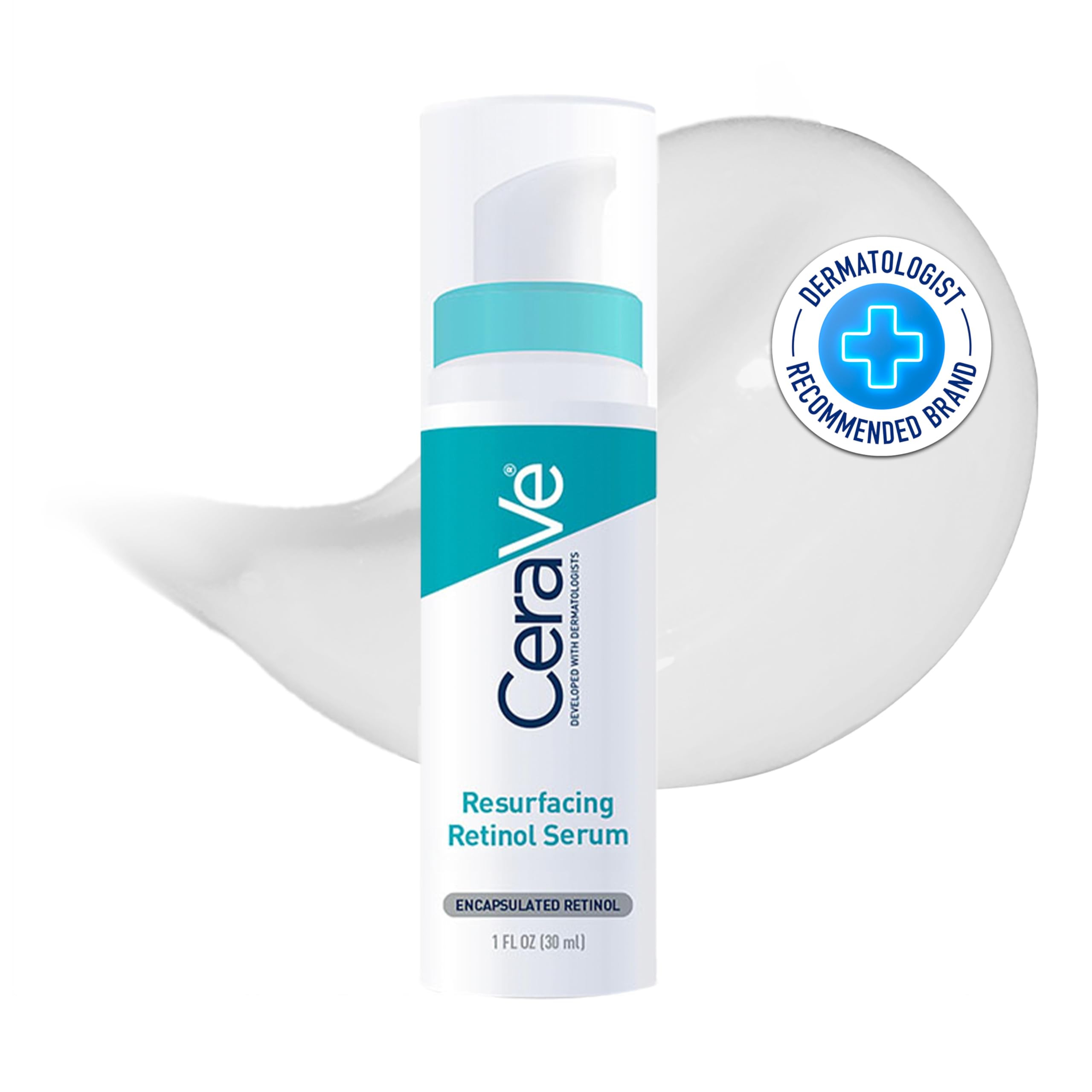
Recommended Product
CeraVe Resurfacing Retinol Serum
An encapsulated, low-strength retinol buffered with ceramides and niacinamide — the easiest way to get through the retinization phase without wrecking your barrier.
View on AmazonWe may earn a small commission if you purchase through our links, at no extra cost to you.
2. Vitamin C: Antioxidant Defense and Brightening

L-ascorbic acid the gold-standard form of topical vitamin C does two jobs at once. It neutralizes free radicals generated by UV exposure and pollution (the primary drivers of premature aging), and it acts as a required cofactor for collagen production. It also inhibits tyrosinase, the enzyme responsible for melanin overproduction, which is why it fades dark spots and evens tone over time.
Effective formulations sit at 10–20% concentration with a pH below 3.5, which is precisely what makes vitamin C so finicky to layer. That acidic environment is essential for skin penetration, but it also means vitamin C oxidizes quickly in light, air, and critically when combined with ingredients that shift its pH. Copper peptides, for example, can trigger premature oxidation, turning an effective serum into an inactive brown liquid. If you're wondering whether your current routine sets vitamin C up to fail, our vitamin C and niacinamide breakdown covers one of the internet's most persistent (and largely outdated) skincare myths.
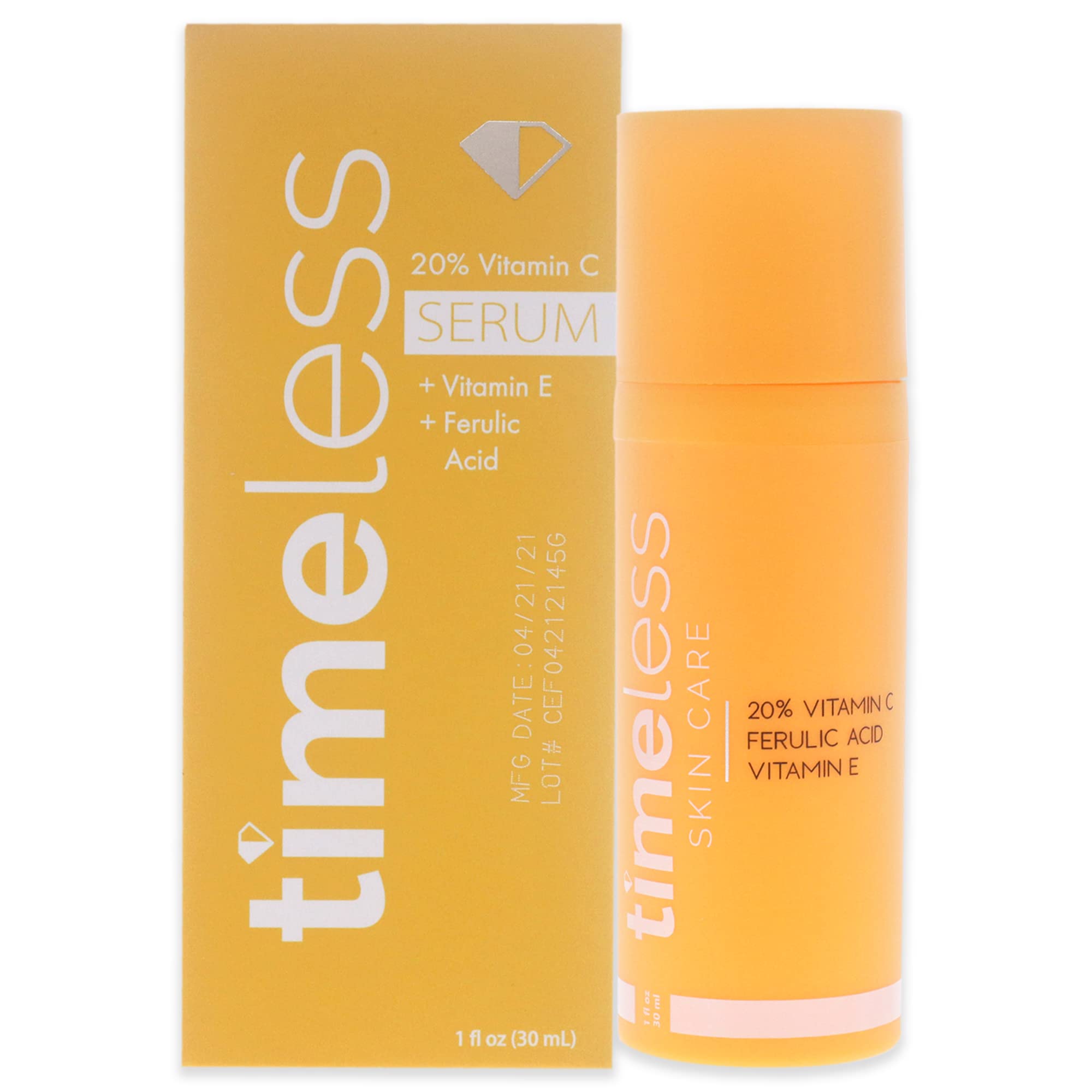
Recommended Product
Timeless 20% Vitamin C + E Ferulic Acid Serum
A 20% L-ascorbic acid formula with vitamin E and ferulic acid for stability — the classic low-pH morning antioxidant step.
View on AmazonWe may earn a small commission if you purchase through our links, at no extra cost to you.
3. Hyaluronic Acid: The Hydration Reservoir

Hyaluronic acid (HA) is a humectant your body already produces and by your fifties, you're working with roughly half the amount you had at twenty. Topically applied HA draws water into the epidermis, plumping fine lines and giving skin that dewy, bounce-back quality almost instantly.
The catch that most product labels don't mention: HA needs a moisture source to draw from. Applied to bone-dry skin in a low-humidity room, it can actually pull water out of your deeper skin layers instead of in. Apply it to slightly damp skin and always seal it with a moisturizer or occlusive. Formulas that blend multiple molecular weights work best, since low-weight HA penetrates for structural hydration while higher-weight HA sits on the surface for an immediate plumping film. It's also one of the few actives compatible with virtually everything else in your routine see how it performs alongside other hydrators in our niacinamide and hyaluronic acid comparison.
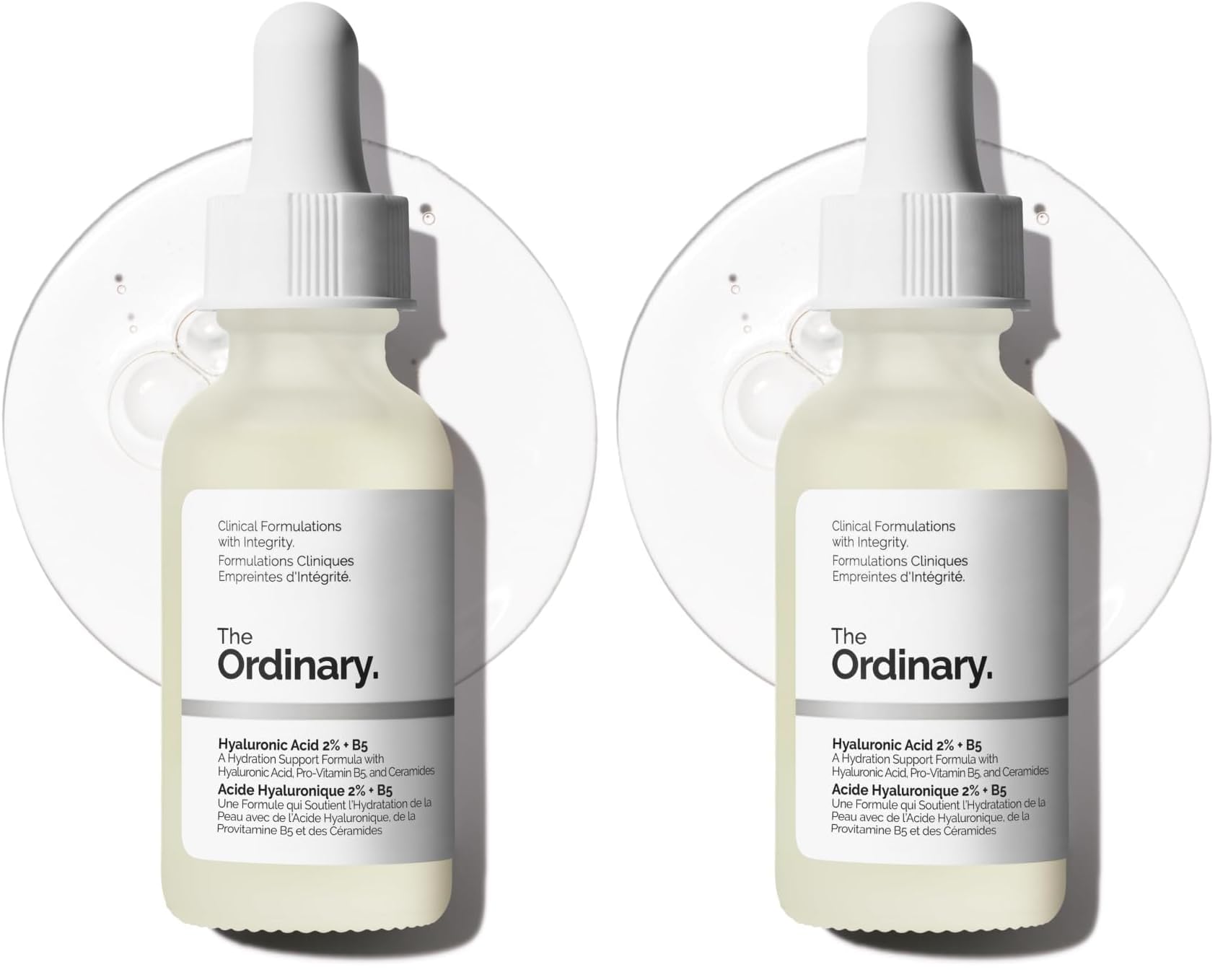
Recommended Product
The Ordinary Hyaluronic Acid 2% + B5
Multiple molecular weights of HA plus vitamin B5 — apply to damp skin and seal with moisturizer for the plumping effect described above.
View on AmazonWe may earn a small commission if you purchase through our links, at no extra cost to you.
4. Niacinamide: The Barrier-Strengthening All-Rounder
Vitamin B3, or niacinamide, has earned its reputation as skincare's team player. It reinforces barrier function, calms inflammation, regulates sebum production, minimizes the look of enlarged pores, and supports collagen synthesis all while remaining stable across a wide pH range and unusually well-tolerated by sensitive skin.
Its biggest advantage over the other four ingredients on this list is compatibility. Niacinamide plays safely with retinol, vitamin C, exfoliating acids, and peptides, making it the connective tissue of most well-built routines. Stick to 2–5% for daily use; concentrations above 10% can occasionally cause transient flushing. If you're building a routine from the ground up and want every ingredient checked for conflicts automatically, our free Anti-Aging Regimen Builder generates an age-specific protocol with a gradual introduction schedule baked in.

Recommended Product
The Ordinary Niacinamide 10% + Zinc 1%
The most widely used niacinamide serum for oil control and barrier support — start every other day if you're sensitive to higher percentages.
View on AmazonWe may earn a small commission if you purchase through our links, at no extra cost to you.
5. Peptides: Signaling Molecules for Collagen Support
Peptides are short amino acid chains that act as messengers, essentially instructing fibroblasts to produce more collagen. Signal peptides (like palmitoyl tripeptide) stimulate collagen directly, carrier peptides deliver trace minerals that support enzymatic repair, and neurotransmitter-affecting peptides (like argireline) relax the micro-muscle contractions behind expression lines.
Peptides are exceptionally gentle, which makes them a smart layer for anyone whose skin can't tolerate retinol yet, or a complementary step for those who can. They're most effective in leave-on serums and moisturizers used consistently results build gradually rather than dramatically. One nuance worth flagging: certain metal-ion peptides (copper peptides in particular) shouldn't be layered directly with retinol or vitamin C, since the interaction can destabilize both actives. Our peptides and retinol guide breaks down exactly which peptide types are safe to combine.
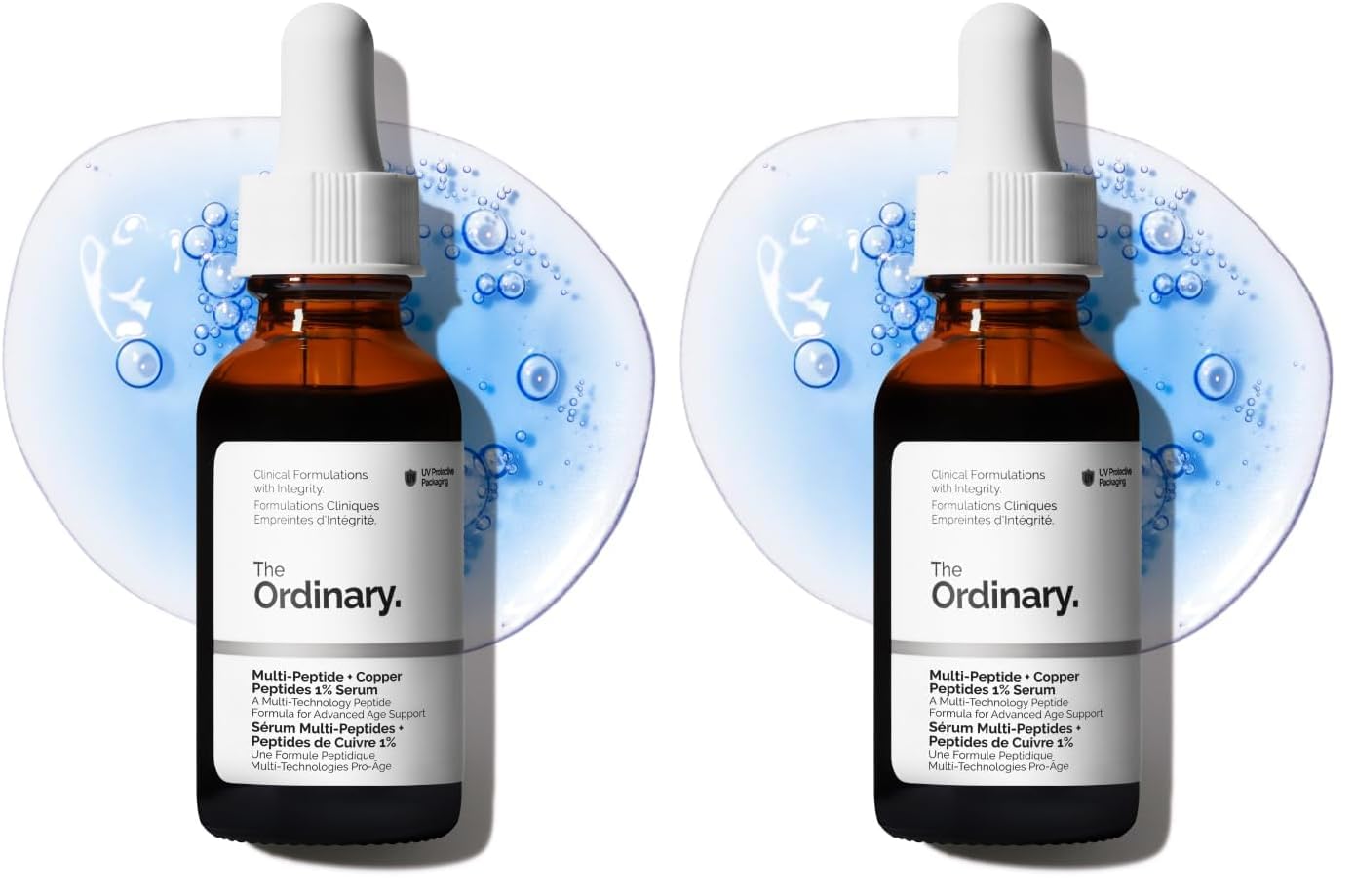
Recommended Product
The Ordinary Multi-Peptide + Copper Peptides 1%
A high-strength peptide serum for collagen support — keep it on separate nights from retinol and away from your vitamin C step, exactly as described above.
View on AmazonWe may earn a small commission if you purchase through our links, at no extra cost to you.
Benefits of an Ingredient-Aware Anti-Aging Routine

Understanding how retinol, vitamin C, hyaluronic acid, niacinamide, and peptides work individually and together pays off in ways that go beyond smoother skin. The most immediate benefit is efficacy: actives that aren't fighting each other's pH or oxidizing on contact actually penetrate and do their job, so you see faster, more visible results from products you're already paying for.
There's a real financial upside too. Whether benzoyl peroxide degrades a retinoid depends heavily on which retinoid and which formulation. Checking compatibility before you layer means every bottle in your routine earns its price tag instead of quietly canceling out the one next to it.
The Part Most Guides Skip: How to Layer Them Without Conflict
Having the right five ingredients means nothing if they're fighting each other in the bottle or on your face. A few rules keep the chemistry on your side:
- Thinnest to thickest. Watery essences and serums go on before creams and oils, so smaller molecules can penetrate before heavier ones seal the surface.
- Water-based before oil-based. Applying an oil-based product first creates a barrier that blocks water-based actives from absorbing at all.
- Separate your AM and PM actives. Antioxidants like vitamin C perform best in the morning, defending against UV-generated free radicals throughout the day. Retinol, being photosensitizing, belongs at night, when your skin's natural repair cycle is most active.
- Give acidic actives time to work before layering anything else. Vitamin C needs its low pH intact for roughly 20–30 minutes before you introduce a higher-pH product on top.
For the full sequencing logic including where peptides and SPF fit into the stack our complete skincare layering guide walks through both AM and PM routines step by step. And if you're not sure whether two specific products belong in the same routine at all, it takes thirty seconds to run them through our free ingredient conflict checker before you commit.
Why Concentration and Formulation Quality Matter
All five of these ingredients exist in drugstore formulas, so why do professionals so often recommend medical-grade versions instead? It comes down to three variables: active concentration (often two to five times higher in professional lines), ingredient stability (L-ascorbic acid versus weaker, more shelf-stable vitamin C derivatives), and delivery technology liposomal encapsulation and pH-optimized bases that actually get the active into the skin rather than leaving it sitting on the surface.
Building a Routine That Won't Undo Itself
The single biggest mistake in anti-aging skincare isn't picking the wrong ingredient it's stacking the right ones in the wrong order, at the wrong time, without checking whether they cooperate chemically. Retinol, vitamin C, hyaluronic acid, niacinamide, and peptides are all genuinely effective on their own merit. Used together thoughtfully with the pH conflicts, timing windows, and layering order accounted for, they compound each other's benefits instead of quietly undoing them. Before you introduce a new active into an existing routine, it's worth the thirty seconds to check the pairing rather than find out the hard way.
This article is for educational purposes and isn't a substitute for advice from a board-certified dermatologist, particularly if you have a diagnosed skin condition.
Related guides and tools
Written by me
Skincare Researcher & Founder of Skin Care Conflict
I built this site after a bad reaction from mixing two skincare ingredients I'd assumed were fine together.
When I went looking for answers, I found the same problem everywhere — plenty of opinions, very little explanation. Nobody telling me why two things shouldn't go on my face on the same night, or whether the serum at the back of my cabinet had gone off, or what a treatment should actually cost before walking into a clinic.
So I spent a long time reading formulation chemistry and published dermatology research, and built the ingredient checker I wanted when I needed it. Then I kept going, because the same gaps kept showing up — which is why there's now a routine planner, an expiry checker, a treatment cost estimator and several other tools.
Everything here is free, and it exists because I couldn't find it anywhere else. I'm not a dermatologist, and this site isn't a substitute for one. It's the resource I wish I'd had.
All articles on this site are written or reviewed for accuracy. For personalised advice, we always recommend consulting a qualified dermatologist.