
The Complete Skincare Layering Guide: Every Product in the Right Order
The most expensive serum in the world won't do a thing if you put it on after your moisturizer. Here's the order every step actually goes in — and why your skin can tell the difference.
Last updated: July 15, 2026
Check your own routine in seconds
List the products you actually own and our free Skincare Routine Order Checker sorts them into the right order for morning and night, flagging conflicts and missing steps.
Open the free order checker →I'll start with the thing nobody tells you when you first get into skincare: it doesn't really matter what products you bought. It matters what order you put them on. I've watched people drop $400 on a routine and get worse results than someone using three drugstore products in the right sequence. Layering is the silent multiplier.
The rule is simple to say and weirdly hard to follow: thinnest to thickest, water before oil, treatment before barrier, sunscreen on top. Every product you buy fits into that hierarchy somewhere. Once you internalize it, you stop second-guessing the bottle on your bathroom counter every morning.
Recommended For This
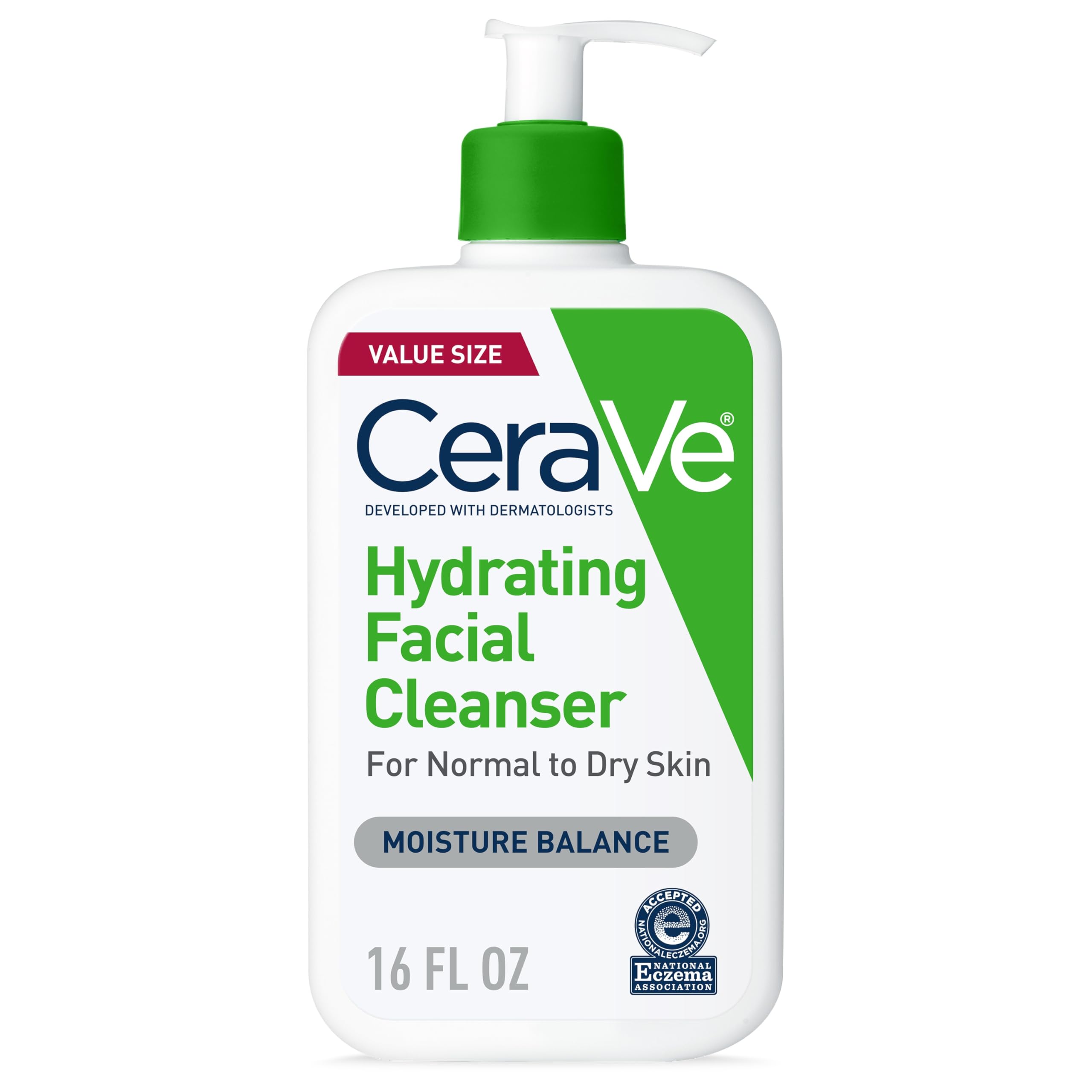
The correct first step in any layering routine — pH balanced and non-stripping.
As an Amazon Associate we earn from qualifying purchases. This is at no extra cost to you.
The universal order of skincare (and why it works)
Your skin is a barrier — its whole job is to keep stuff out. Watery, thin products with small molecules slip through that barrier easily. Thick creams, oils, and silicones don't slip through; they sit on top and form a film. If you put the film down first, the watery product on top has nowhere to go. It pills, it slides off, or it just evaporates.
Here's the full hierarchy, top to bottom:
- Cleanser — removes dirt, sweat, sunscreen, and yesterday's products.
- Toner / essence (optional) — rebalances pH and adds light hydration.
- Water-based treatment serum — vitamin C, niacinamide, peptides, tranexamic acid.
- Targeted treatment — exfoliating acids, retinol, prescription actives.
- Hydrating serum — hyaluronic acid, snail mucin, glycerin-heavy serums.
- Eye cream — anywhere after serums, before heavy moisturizer.
- Moisturizer — locks everything underneath into the skin.
- Face oil (optional) — only at night, only over moisturizer.
- Sunscreen — morning only, always last.
That's the spine. Every routine — minimalist or 12-step — fits inside it. The reason it works isn't aesthetic; it's chemistry. Watery layers absorb in seconds and deliver actives deep. Oily layers seal them in. Sunscreen forms an even film on top of all of it. Mess with the order and you break one of those three jobs.
Morning routine order (AM)
Mornings are about protection. You're not treating, you're armoring. Keep it short so you don't sabotage SPF.
- Gentle cleanser — or just a splash of lukewarm water if your skin is dry.
- Vitamin C serum — antioxidant defense against UV and pollution.
- Niacinamide or hydrating serum — wait ~60 seconds after vitamin C.
- Eye cream — optional, pat in gently.
- Lightweight moisturizer — gel or lotion in summer, cream in winter.
- Sunscreen, SPF 30+ — a full quarter teaspoon for face and neck. No skipping.
That's it. No retinol, no exfoliating acids, no aggressive peels in the morning — they all make your skin more sensitive to UV, which is the exact opposite of what mornings are for. Save them for the evening, where they belong.
If you want help designing the actual product list for your skin type, I built a free Skincare Routine Planner that maps your products into this exact order and flags conflicts before they happen.
Evening routine order (PM)
Evenings are about repair. Your skin actually does most of its healing while you sleep, so this is where the actives belong.
- Oil-based cleanser or balm — to break down sunscreen and SPF.
- Water-based cleanser — the second cleanse, to remove sweat and dirt.
- Toner or essence — optional, but useful for prepping skin.
- Exfoliating acid OR retinol — never both in the same evening.
- Hydrating serum — wait 1–2 minutes after the active.
- Moisturizer — richer than your AM one if your skin tolerates it.
- Face oil — only if your skin still feels tight. Skip otherwise.
The single biggest evening mistake people make is doubling up actives — a glycolic toner AND a retinol AND a salicylic spot treatment, all in one night. Your skin treats that the way it would treat a small chemical burn. Pick one active per evening. Alternate days for the rest.
What actually happens when you layer incorrectly
People assume the worst case is "it doesn't work." That's actually the best case. Here's what really goes wrong:
Top Rated Products For This Routine
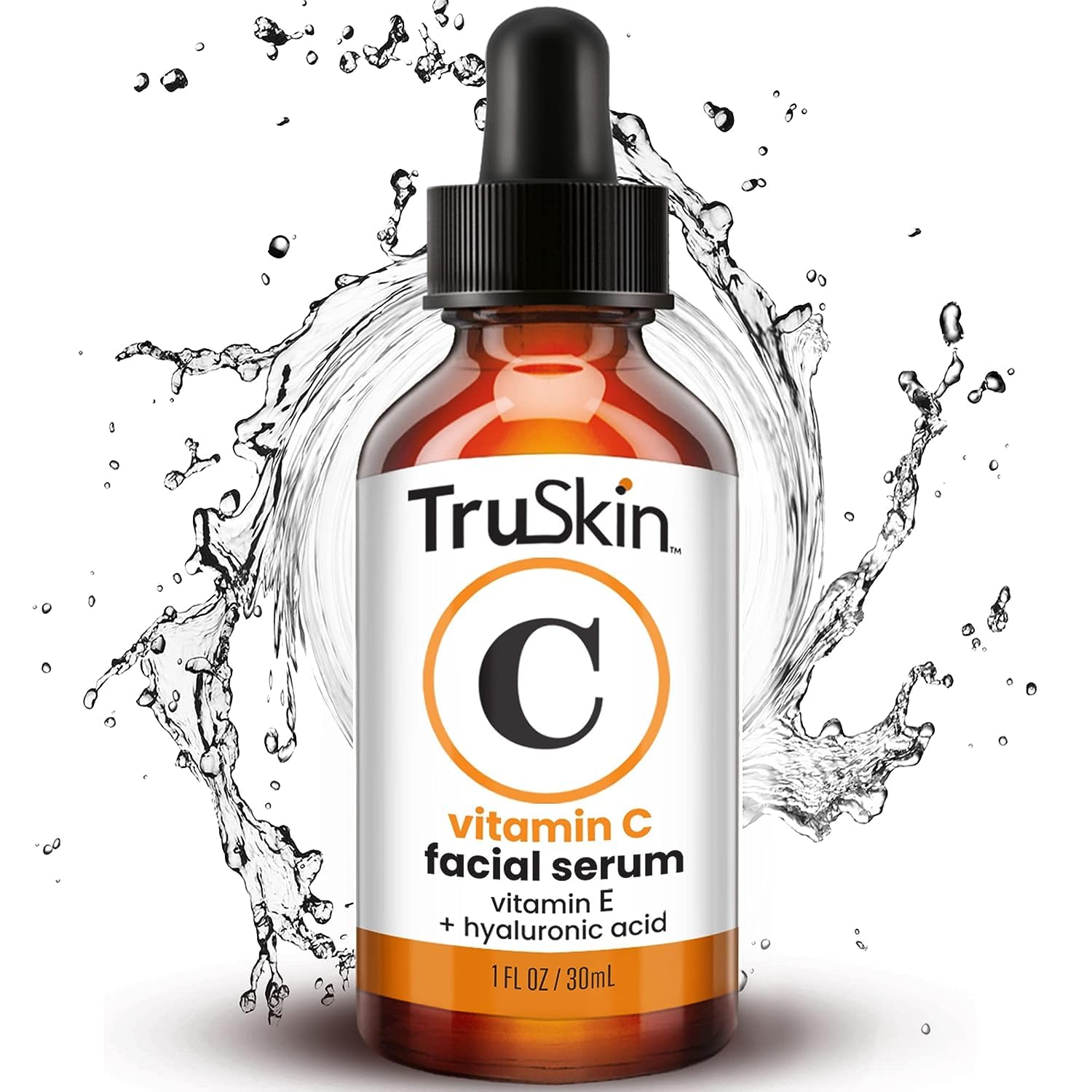
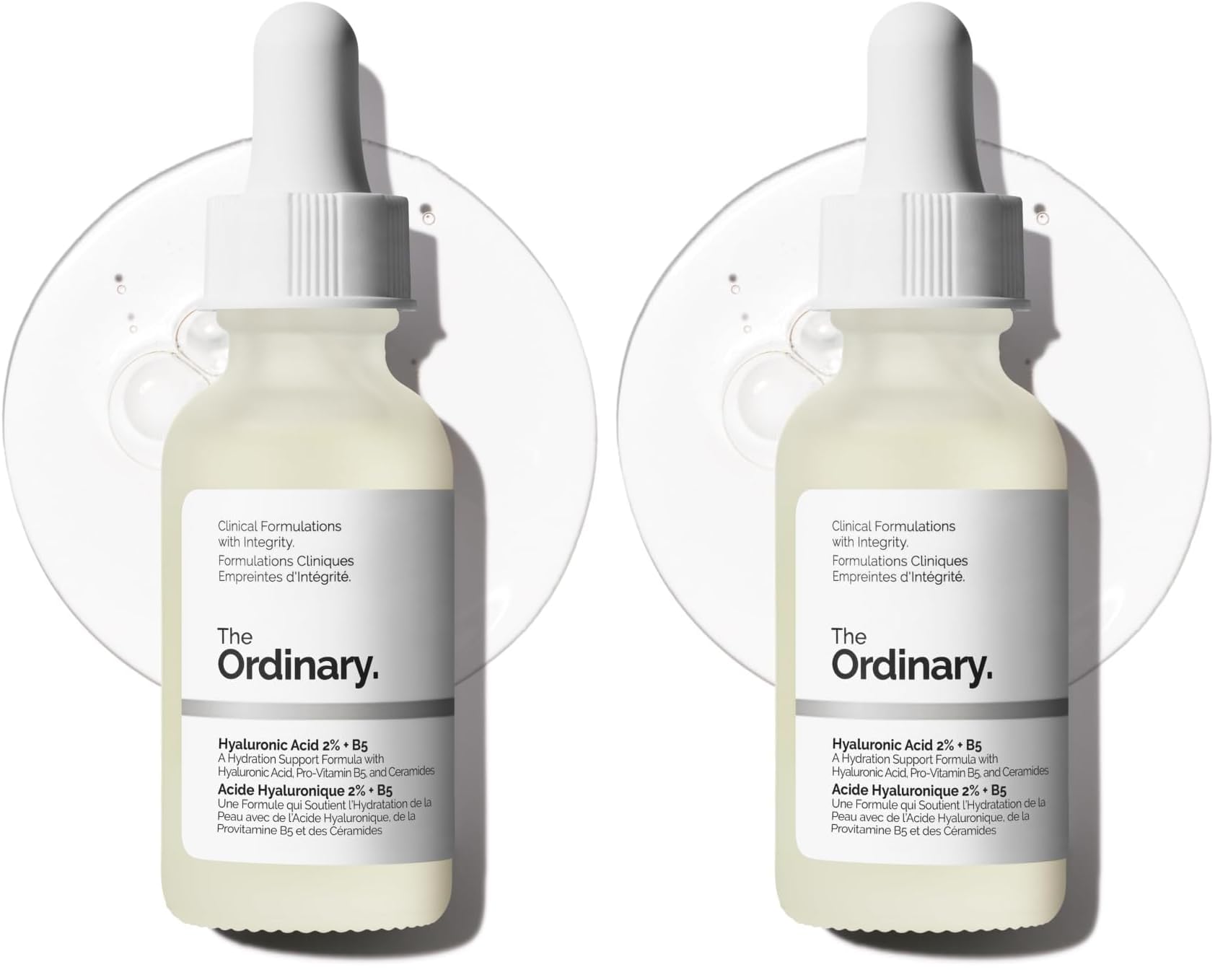
Apply hyaluronic acid after serum, before moisturiser for correct layering order.
As an Amazon Associate we earn from qualifying purchases. This is at no extra cost to you.
1. Pilling (the little white worms)
Those little gummy flakes that roll off your face when you apply makeup? That's a sign you layered a silicone-heavy product over something that wasn't fully absorbed. The fix is either waiting longer between layers or reordering — silicones (primers, certain sunscreens, dimethicone-based moisturizers) should go later, not earlier.
2. Cancelled-out actives
Some ingredients literally deactivate each other. Direct acids (low pH) layered with peptides (neutral pH) wreck the peptides. Vitamin C oxidizes faster when stacked with niacinamide in the same step. Benzoyl peroxide oxidizes retinol in seconds. You bought the product. You used the product. It did nothing. That's the worst possible result.
3. Barrier damage
When you stack actives on top of each other — retinol, an acid toner, a vitamin C, all in 48 hours — your skin's barrier gives up. You'll see stinging, redness, peeling, and breakouts in places you've never broken out before. This is the "I'm using all the right things and my skin has never looked worse" trap.
4. Sunscreen failure
If you mix sunscreen with moisturizer or apply it under a heavy cream, the protective film breaks up. Your skin reads the SPF rating on the bottle, but you're getting maybe 30% of that protection on your face. UV damage is cumulative and silent. You won't see it until five years from now.
The "wait" rule, simplified
You don't need to wait the full 10 minutes between every step — that's an old internet rule. What you actually need is enough time for the previous layer to stop being wet on your face. Roughly:
- Water-based serums: 30–60 seconds.
- Actives (retinol, acids, vitamin C): 1–2 minutes.
- Moisturizer before SPF: 1–2 minutes so SPF lays flat.
If you're prone to pilling, double those numbers. If your products are very thin and watery, halve them. Your fingers will tell you — if the previous layer still feels tacky, give it another minute.
The minimalist version (if you want one routine to remember)
If you only do five steps total, do these:
- AM: Gentle cleanser → Moisturizer → Sunscreen.
- PM: Cleanser → Retinol (or acid, alternating nights) → Moisturizer.
Five products. Three in the morning, three at night (with one repeating). This routine outperforms most expensive 10-step routines because it follows the order rule and never overloads the skin.
Want this mapped out for your exact products?
The Routine Planner takes the products you already own and slots them into the correct AM and PM order, flagging conflicts before they ruin your skin.
Open the Routine PlannerRelated Reading
Complete Your Routine — Shop The Products We Recommend
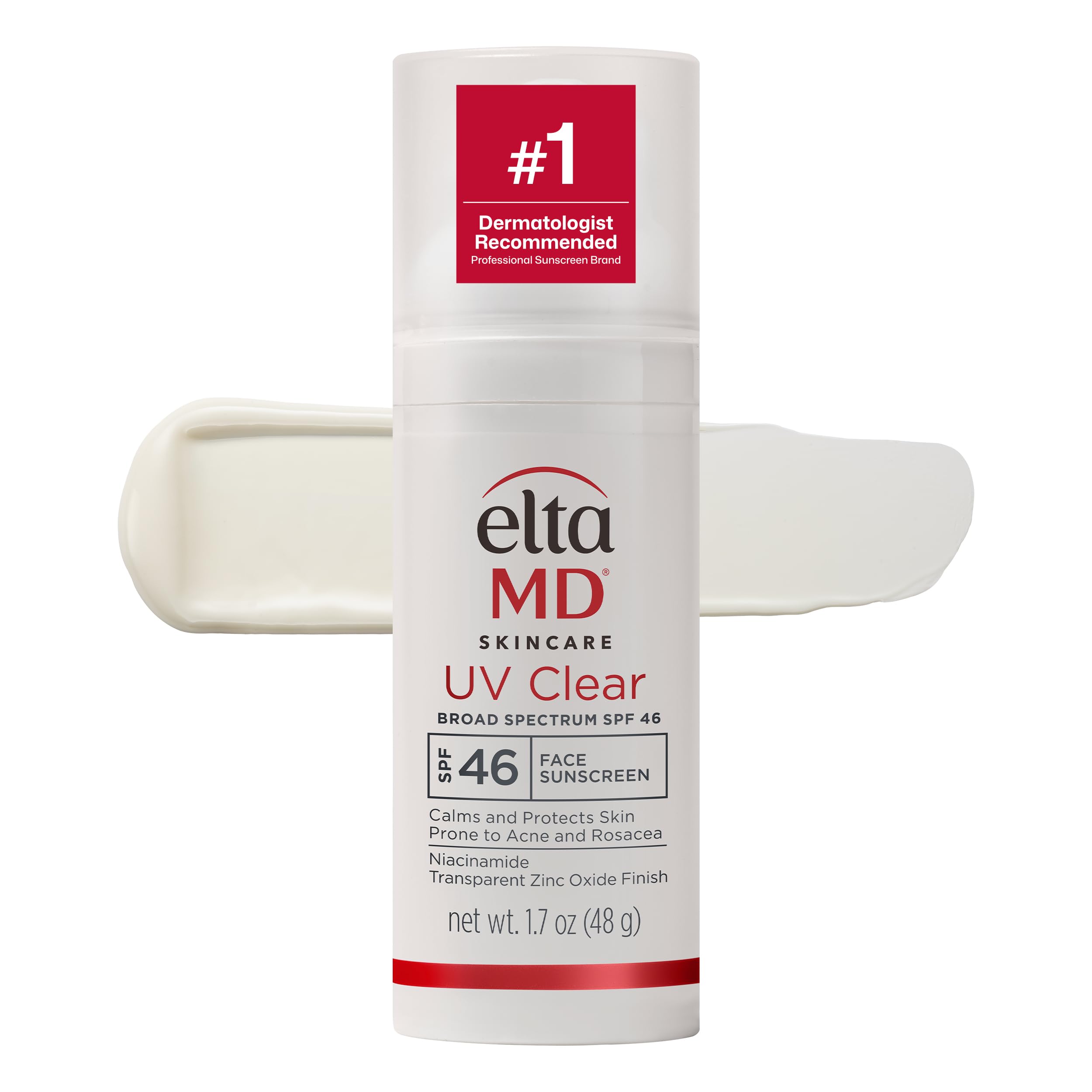
As an Amazon Associate we earn from qualifying purchases. This is at no extra cost to you.
Frequently Asked Questions
Why does the order of skincare products actually matter?
Each product has a different texture and molecule size. Thin watery layers absorb fast; thick creams and oils form a film. If you flip the order, the thin layers can't get through the thick ones — so half your routine just sits there doing nothing.
Do I really need to wait between layers?
For most water-based products, 30–60 seconds is plenty — just long enough for the previous layer to absorb. For actives like vitamin C, retinol, or exfoliating acids, give it 1–2 minutes before the next step to avoid pilling and irritation.
Where does sunscreen go — over or under moisturizer?
Sunscreen always goes last in the morning, after your moisturizer. It's the only product designed to sit on top of your skin and form a protective film. If you bury it under a cream, you weaken the protection.
Can I skip toner or essence?
Yes. Toners and essences are optional. They're useful if your skin is dehydrated or sensitive, but they're not essential. A solid cleanser-serum-moisturizer-SPF routine is enough for most people.
What's the rule of thumb if I'm overwhelmed?
Thinnest to thickest. Water-based first, oil-based last, sunscreen on top in the morning. If you remember nothing else, remember that.
Content on this site is written for educational purposes. It is not medical advice. Always consult a qualified dermatologist for personal skincare concerns.