
7 Skincare Combinations That Are Secretly Ruining Your Routine
You're using all the right products. You're being consistent. Your skin is still misbehaving. There's a reason — and it's almost always one of these seven combinations quietly happening in your bathroom.
Last updated: May 20, 2026
Let me say something nobody on TikTok will: most "bad skin" isn't from doing nothing. It's from doing too much, in the wrong combinations. The skincare industry sells products one at a time. Your face uses them all at once. That gap is where things quietly fall apart.
I've been writing about ingredient interactions for years, and these are the seven combinations I see wrecking routines the most often. Some you've definitely heard of. Some will surprise you. All of them are fixable in about five minutes.
Recommended For This
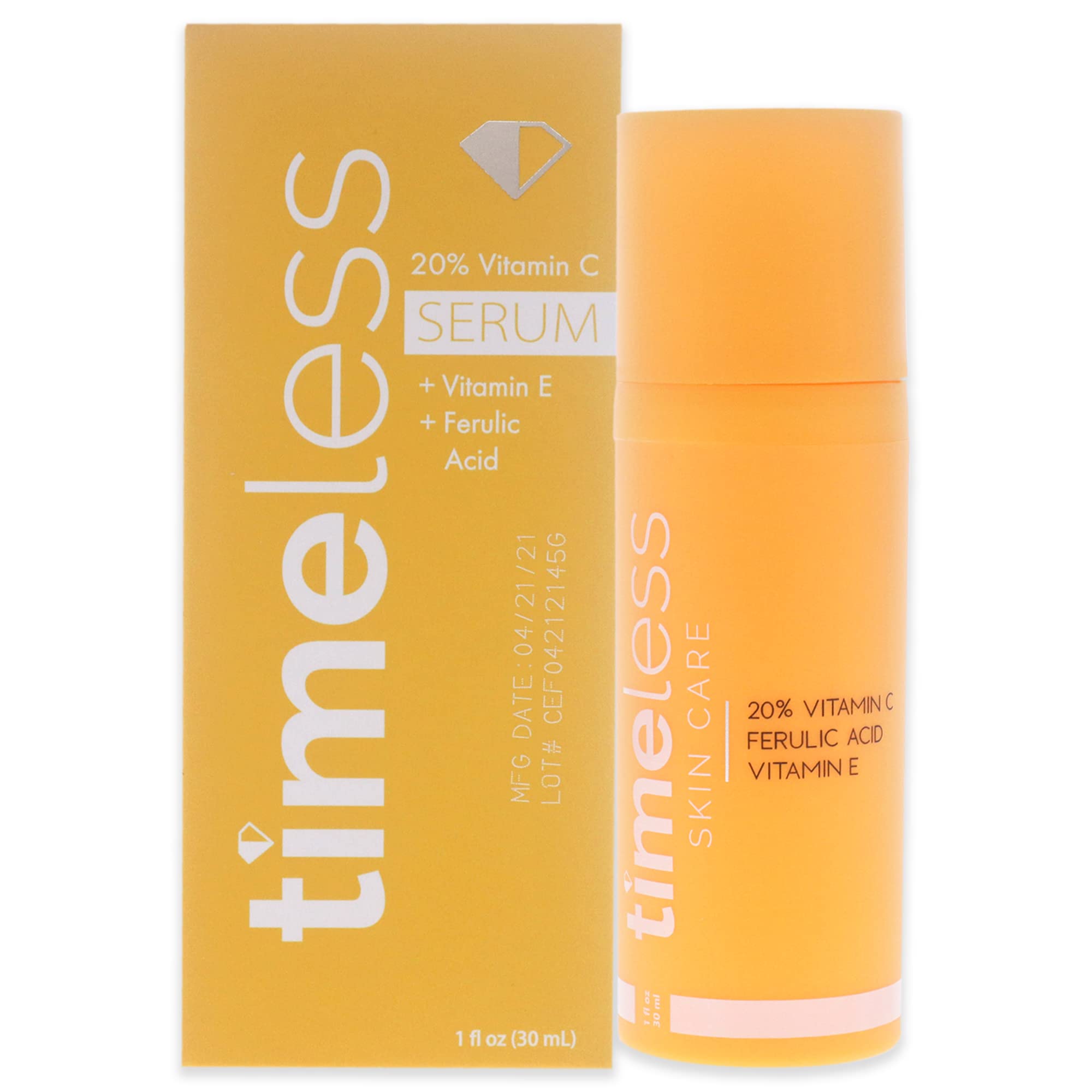
The safest, most stable vitamin C formula — eliminates most vitamin C combination errors.
As an Amazon Associate we earn from qualifying purchases. This is at no extra cost to you.
1. Retinol + Vitamin C (in the same step)
This is the classic offender. Vitamin C (specifically L-ascorbic acid) needs a pH of about 3.5 to work. Retinol needs a pH closer to 5.5–6. When you slap them together, you push both into a pH where neither one functions properly. Retinol degrades faster. Vitamin C oxidizes. You've now applied two of the most expensive serums you own and gotten the benefits of roughly zero of them.
What goes wrong chemically: the low pH of vitamin C destabilizes retinol's molecular structure, and the higher pH environment retinol creates accelerates vitamin C's oxidation into erythrulose — a compound that can actually self-tan your skin a dull orange.
Fix: Vitamin C in the morning. Retinol at night. Done.
2. Benzoyl Peroxide + Retinol
Whether benzoyl peroxide degrades a retinoid depends heavily on which retinoid and which formulation. Martin and colleagues, publishing in the British Journal of Dermatology in 1998, mixed conventional tretinoin gel with benzoyl peroxide and exposed it to light, finding roughly half the tretinoin degraded within two hours and about 95% within 24 hours. In the same work, adapalene showed no measurable degradation over 24 hours under identical conditions.
Formulation matters enormously: research by Nyirady and colleagues found tretinoin gel microsphere 0.1% retained around 98% of its tretinoin after 24 hours of light exposure and still retained 87% when combined with a benzoyl peroxide gel, while conventional tretinoin gel 0.025% degraded by up to 89% in the same pairing. A separate 2010 study of an optimized aqueous tretinoin gel 0.05% admixed with benzoyl peroxide found no loss of tretinoin over seven hours.
Practically: adapalene, sold as Differin, is stable alongside benzoyl peroxide. Modern microsphere and encapsulated tretinoin formulations are considerably more resistant than older gels. Conventional tretinoin and over-the-counter retinol remain oxidation-sensitive, which is why separating them by time of day is still the cautious default.
Fix: BP in the morning, retinol at night. Or alternate evenings if you want both.
3. AHA + BHA (stacked daily)
Both are exfoliating acids. Both work brilliantly. Together, daily, they're a recipe for the worst barrier damage you've ever had. AHAs (like glycolic) strip the surface. BHAs (like salicylic) strip inside the pore. Do both at once, every day, and your skin's barrier loses the lipid layer that keeps water in and irritants out. You'll feel it before you see it — a tight, hot, "my face is too small for my head" feeling.
What goes wrong chemically: both acids lower your skin's surface pH and dissolve the corneocyte bonds holding your barrier together. Doing both at once doesn't double the exfoliation — it triples the damage.
Fix: Alternate nights. AHA Monday/Wednesday, BHA Tuesday/Thursday. Rest weekends.
4. Vitamin C + Niacinamide (the one nobody's sure about)
Old skincare lore says this combination is forbidden — that they neutralize each other into nicotinic acid and turn your face red and itchy. That was based on a 1960s study using extreme heat and pure, unbuffered ingredients in a lab. In modern skincare formulations, they're fine.
The real issue: at very high concentrations (15%+ vitamin C with 10%+ niacinamide), sensitive skin can flush. Most modern products are buffered to avoid this. If your face goes red and prickly when you layer them, separate them by 10 minutes or use one AM and one PM.
Fix: Try them together first. If you flush, split them across AM and PM.
Top Rated Products For This Routine
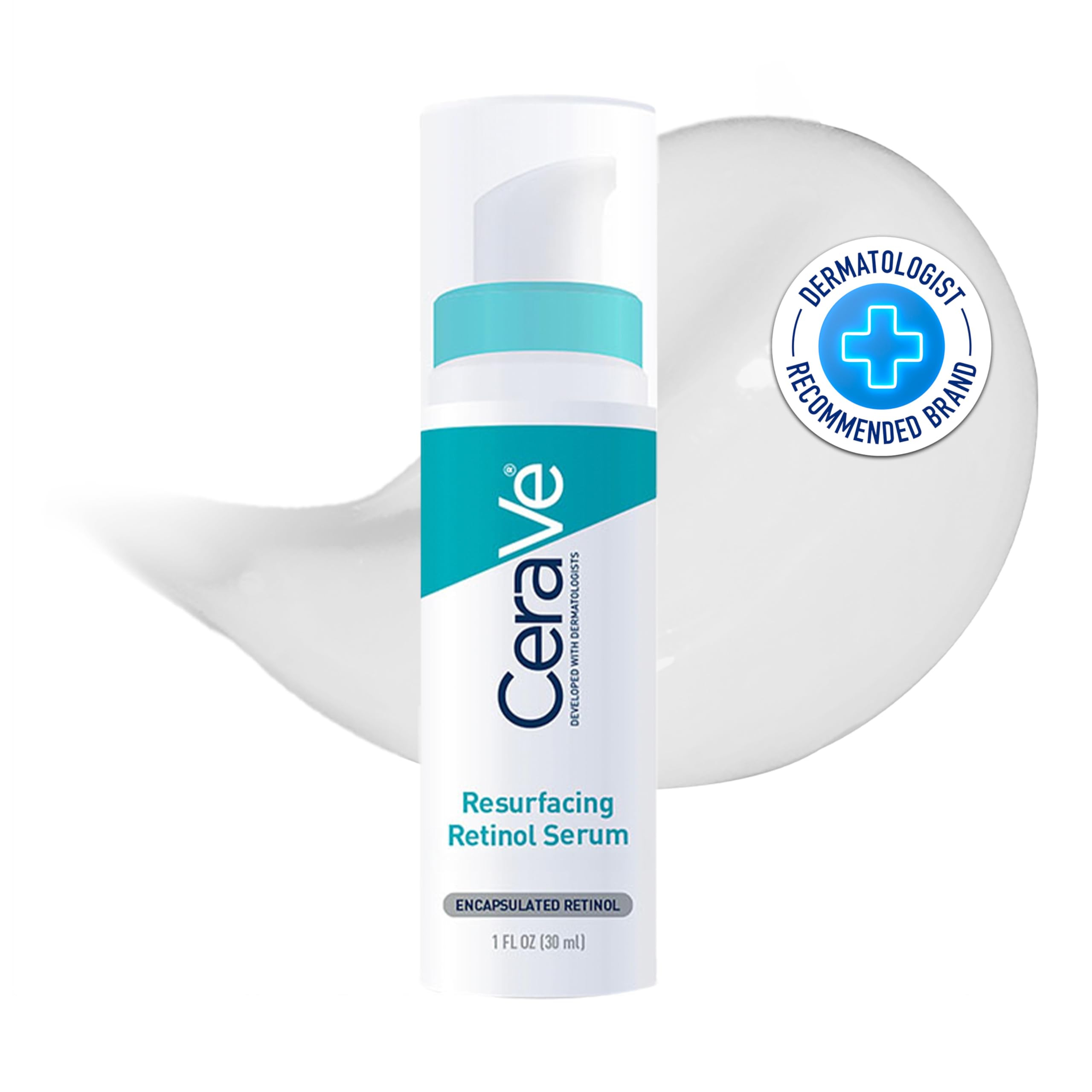
Use separately — vitamin C in the morning, retinol at night.
As an Amazon Associate we earn from qualifying purchases. This is at no extra cost to you.
5. Retinol + Exfoliating Acids (same night)
Retinol is already an exfoliating accelerant — it speeds up your cell turnover dramatically. Adding a glycolic acid or salicylic acid on top is like flooring the gas pedal while someone else is already pushing it. Your skin can't keep up. You'll see flaking, peeling, raw patches, and breakouts in spots you've never broken out before.
What goes wrong chemically: retinol increases epidermal turnover by ~30%. Direct acids strip another 1–2 cell layers off the surface. Your barrier loses corneocytes faster than your skin can replace them, so transepidermal water loss spikes and your skin chronically dehydrates.
Fix: Alternate nights. Never both in the same evening.
6. Peptides + Direct Acids (in the same step)
Most peptides are pH-sensitive. They work best in a neutral environment (pH 5–7). Direct exfoliating acids drop your skin's pH down to 3–4. At that pH, many peptides denature — they literally fall apart before they can signal anything to your skin. You're paying premium peptide prices for inactive sludge.
What goes wrong chemically: peptide bonds (especially in copper peptides and signal peptides) are hydrolyzed in acidic environments. The amino acid chain breaks down and the molecule loses its biological activity.
Fix: Acids at night. Peptides on alternate nights, or in the morning before SPF.
7. Sunscreen + Pure Vitamin C (under it, sometimes)
Here's the controversial one. Vitamin C under sunscreen is GREAT in theory — the antioxidant boost supercharges your UV protection. But certain mineral sunscreens (especially heavy zinc oxide ones) can interact with L-ascorbic acid and slightly reduce its stability across the day. Worse, if you don't let the vitamin C absorb fully (1–2 minutes minimum) before sunscreen, you'll get pilling that breaks up the SPF film.
What goes wrong: the vitamin C continues to absorb under the sunscreen film, which can shift pH and slightly degrade certain chemical filters. More importantly, the pilling problem physically breaks your SPF coverage.
Fix: Apply vitamin C, wait 90 seconds, apply moisturizer, wait 60 seconds, then SPF. Or use a derivative form like sodium ascorbyl phosphate that's more pH-stable.
The pattern behind every conflict on this list
Every one of these combinations breaks one of three rules: pH mismatch, oxidation reaction, or barrier overload. Once you understand those three failure modes, you can predict almost any conflict before it happens — even with ingredients I haven't covered.
That's the whole reason I built this site. Skincare brands aren't going to tell you their hero product cancels out the other hero product you bought from them last month. You need a neutral place to check. Run any two ingredients through the conflict checker and you'll know in about ten seconds whether they play nice.
Worried your current routine has a hidden conflict?
Check any two ingredients side by side. Free, instant, no sign-up — just the chemistry.
🧪 Open the Conflict CheckerRelated Reading
Complete Your Routine — Shop The Products We Recommend
As an Amazon Associate we earn from qualifying purchases. This is at no extra cost to you.
Frequently Asked Questions
Are these combinations actually dangerous, or just less effective?
Both — depending on the pairing. Some (like retinol + benzoyl peroxide) just deactivate each other so you waste your money. Others (like double-acid routines) actually damage your skin barrier and trigger long-term sensitivity.
What's the fastest way to check if my routine has a conflict?
Run any two products through a free conflict checker that compares them side by side. It takes 10 seconds and saves you from quietly sabotaging your own results.
If I separate AM and PM, do conflicts still matter?
Less, but not zero. Some ingredients (like retinol making skin sun-sensitive) carry over into the next morning. Use SPF religiously and you neutralize most of these risks.
Content on this site is written for educational purposes. It is not medical advice. Always consult a qualified dermatologist for personal skincare concerns.