
Retinol Percentage Guide: Which Strength Do You Actually Need?
Standing in front of a wall of retinol products and trying to decode 0.025%, 0.3%, 0.5%, 1%? Here's the real answer — and why the strongest one is almost never the right one for you.
Last updated: May 20, 2026
The first retinol I ever bought was a 1%. I thought higher = faster results. Within ten days my face looked like I'd fallen asleep on a cheese grater. I quit. Six months later, I bought a 0.3%, used it properly for a year, and my skin is now the best it's ever been. The percentage on the bottle isn't the prize. Finishing the bottle is the prize.
Here's everything I wish someone had told me about retinol concentrations — what each level actually does, who it's for, and when (if ever) to move up.
Recommended For This
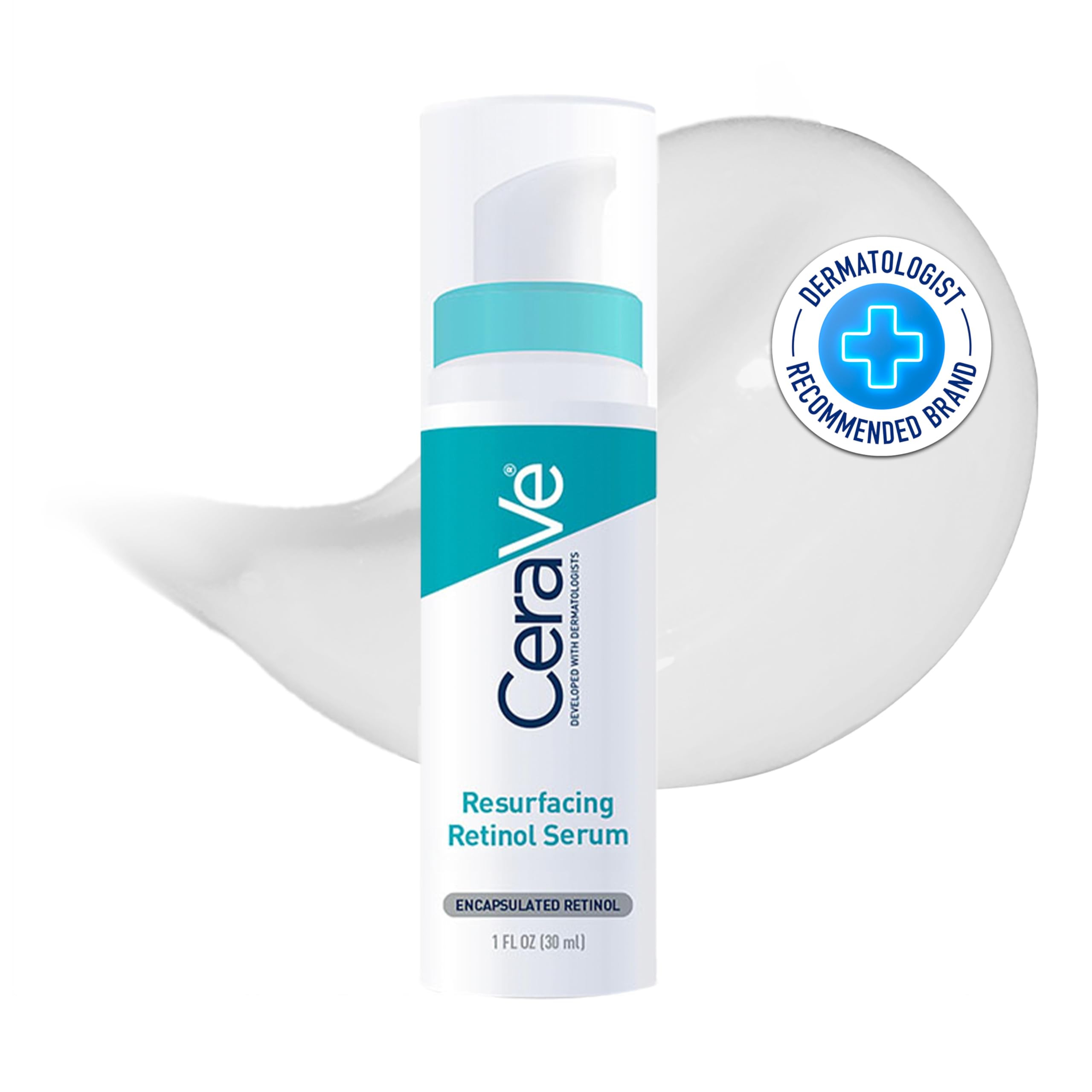
Ideal starting percentage for most skin types — low enough to build tolerance without giving up results.
As an Amazon Associate we earn from qualifying purchases. This is at no extra cost to you.
The retinol strength ladder
Over-the-counter retinol generally comes in seven concentrations. They are not interchangeable, and they are not equally suitable for every skin type. Here's how the ladder actually breaks down:
- 0.025% retinol — true beginner / sensitive skin / pregnancy-adjacent (with caveats).
- 0.1% retinol — beginner-friendly, the safest "real" starting point for most.
- 0.25–0.3% retinol — the sweet spot for most adults after 8–12 weeks.
- 0.5% retinol — intermediate, good for established users targeting fine lines or texture.
- 0.75% retinol — advanced, only if 0.5% no longer produces visible change.
- 1% retinol — advanced, basically a topical workout. Use rarely and intentionally.
- Encapsulated 2% / time-release — high-strength but buffered for tolerability.
Beginner level: 0.025% – 0.1%
If you've never used a retinoid before, your skin barrier has no idea what's about to happen. Starting at the bottom isn't being cautious — it's being smart. Lower percentages still trigger the cell turnover and collagen-stimulating pathways; they just do it gently enough that you can keep using the product.
Who this stage is for:
- Anyone using their first-ever retinoid.
- People with naturally sensitive, reactive, or rosacea-prone skin.
- Anyone over 50 starting late (skin is thinner and reacts faster).
- People in dry climates or cold winters.
How to build tolerance:
- Weeks 1–2: Apply 2 nights per week. Pea-sized amount for entire face.
- Weeks 3–4: 3 nights per week if no irritation.
- Weeks 5–8: Every other night.
- Weeks 9–12: Nightly if your skin is calm.
What to expect: Mild flaking around weeks 2–4 is normal. A subtle smoothness by week 8. Brighter tone by week 12. If you have active acne, you may see some purging in weeks 3–6 — clearing up old congestion that was already brewing.
Move up when: You've been nightly for 8 weeks with zero stinging, peeling, or redness, AND your visible improvements have plateaued.
Intermediate level: 0.25% – 0.5%
This is where the real visible payoff lives. Most published retinol studies that show wrinkle reduction, hyperpigmentation fading, and pore appearance improvements use concentrations in this range. If you've built up tolerance properly, 0.3% or 0.5% will probably be your forever home.
Who this stage is for:
- People who've used a beginner retinol consistently for 3+ months without issues.
- Adults in their late 20s to 50s targeting fine lines, texture, or pigmentation.
- Acne-prone skin that's outgrown salicylic acid.
- Anyone who's tolerated 0.1% nightly for at least 8 weeks.
How to step up:
- Week 1–2 on new strength: Drop back to 3 nights per week, even if you were nightly before.
- Week 3–4: Move to every other night.
- Week 5+: Nightly if tolerated.
What to expect: A second wave of mild adjustment — small flakes for 1–2 weeks. By week 6 at the new strength, you'll usually see a noticeable bump in glow and texture. Acne-prone skin often sees the biggest improvement in this range.
Top Rated Products For This Routine
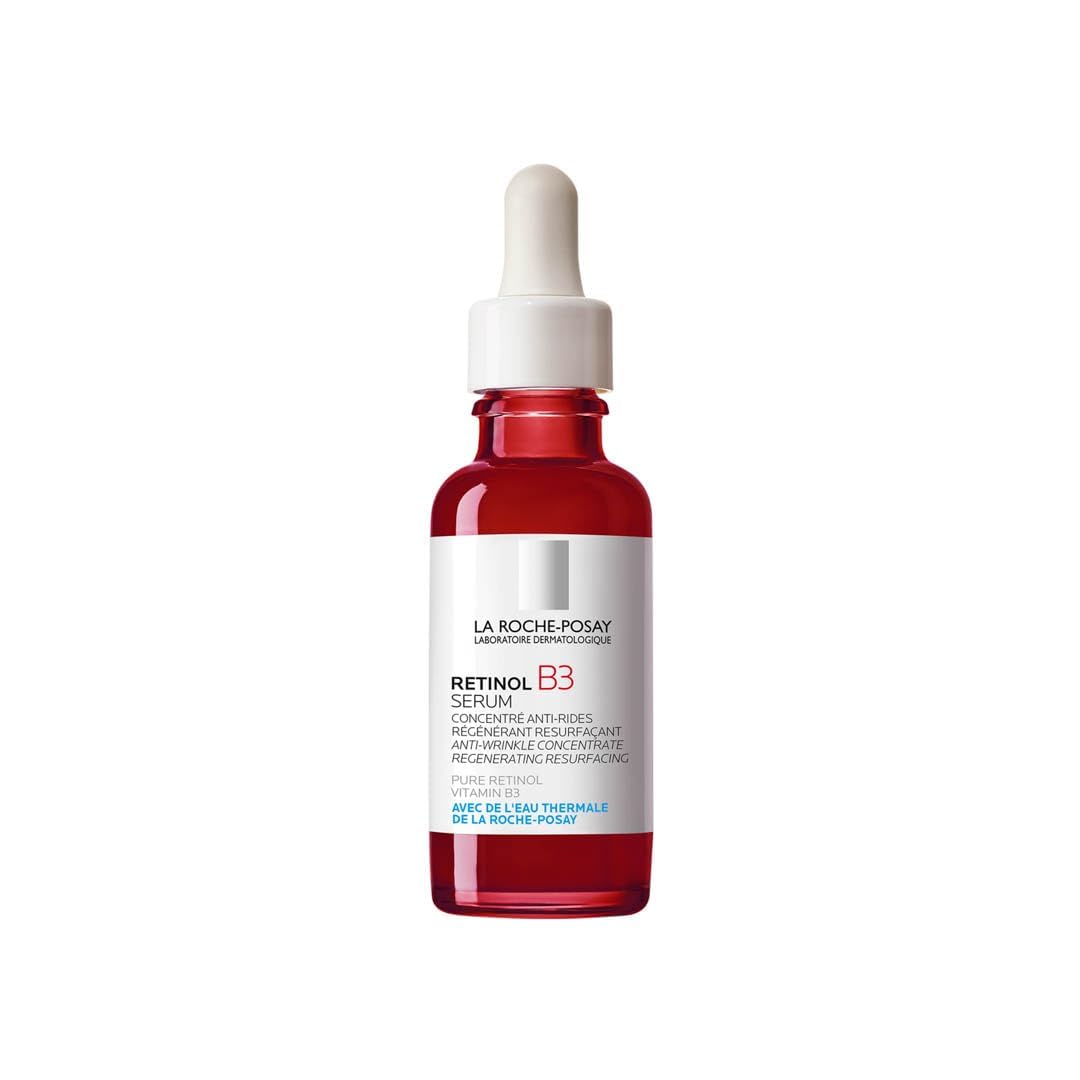
As an Amazon Associate we earn from qualifying purchases. This is at no extra cost to you.
Important: at this level, your sunscreen game has to be perfect. Retinol thins the stratum corneum slightly and accelerates UV-induced pigmentation. SPF 30+ every single morning, no exceptions.
Advanced level: 0.75% – 1% (and encapsulated 2%)
This is the deep end. Most people don't need to go this high. If you do, you should have a real reason — deep wrinkles, stubborn melasma, photoaged skin from years of unprotected sun, or a clinical recommendation. Going to 1% just because it sounds impressive is how barrier disasters happen.
Who this stage is for:
- Long-term retinol users (1+ year on 0.5%) who've plateaued.
- People with significant photoaging or deep texture issues.
- Anyone working with a dermatologist who recommended it.
- People who can't get a prescription tretinoin and want the next strongest thing.
How to step up:
- Week 1–4: 2 nights per week, applied to dry skin (not damp — damp skin absorbs more aggressively).
- Week 5–8: Every other night.
- Week 9+: Most people max out at 4–5 nights per week. Nightly 1% is not a goal — it's an option.
What to expect: Even with proper buildup, expect 2–3 weeks of obvious adjustment. Your skin may feel "tighter" or shinier as the surface layer turns over faster. Real anti-aging results in this range typically show at the 6-month mark — not 4 weeks. If you want the dramatic before-and-after, you have to play the long game.
When to move up — and when not to
The single biggest mistake people make is moving up because of a calendar date. "I've been on 0.3% for 3 months, so it must be time for 0.5%." No. Your skin is the boss, not the calendar.
Move up when ALL of these are true:
- You've used your current strength nightly for at least 8 weeks.
- You have zero peeling, stinging, or redness.
- You've stopped seeing new improvements for 4+ weeks.
- It's not winter / you haven't recently started any other actives.
- You're not pregnant, breastfeeding, or planning to be.
Don't move up if:
- You're still seeing gradual improvement on your current strength.
- Your skin is sensitive, sunburned, or recovering from any treatment.
- You're traveling somewhere with harsh sun or extreme dryness.
- You just want results faster (this never works).
The "sandwich method" — your secret weapon for any strength
Whatever percentage you're on, you can dramatically reduce irritation with one trick: apply moisturizer first, retinol on top, then a second layer of moisturizer. The buffer slows absorption without killing efficacy. This is how I survived my first 0.5% transition without losing skin.
Final word
Retinol is the most studied anti-aging molecule on Earth, and it absolutely works — but it's a relationship, not a transaction. Choose the lowest strength you can imagine being consistent with. Use it for a year. Then re-evaluate. The people you see online with glowing, line-free skin from retinol almost universally got there with the boring strength they could actually tolerate, not the strongest one in the store.
Already using retinol? Make sure nothing in your routine cancels it out.
Run your retinol against any other product to check for hidden conflicts before they ruin your progress.
Check Retinol ConflictsRelated Reading
Complete Your Routine — Shop The Products We Recommend

As an Amazon Associate we earn from qualifying purchases. This is at no extra cost to you.
Frequently Asked Questions
Is higher retinol percentage actually better?
No — and this is the biggest myth in skincare. A 0.3% retinol used consistently for a year will outperform a 1% retinol used once a week before you give up. Strength matters less than consistency.
How long should I stay on each strength?
At least 12 weeks per level. Your skin needs a full cell turnover cycle (around 28 days) before it adapts, and most people need 2–3 cycles before they're ready for the next step up.
Can I start at 1% if my skin is tough?
You can, but you probably shouldn't. 'Tough skin' is usually less tolerant than people think. Starting too high almost always ends in 4 weeks of peeling and a hard quit. The slow build wins every time.
What's the difference between 0.5% retinol and 0.05% tretinoin?
Tretinoin is roughly 20x stronger than retinol gram-for-gram because retinol has to convert through two steps in your skin to become active. So 0.05% tretinoin is closer to a 1% retinol in real-world strength.
When do I know it's time to move up?
When you've been using your current strength nightly for at least 8 weeks with zero irritation, zero peeling, and you're not seeing new results anymore. That's the signal — not a calendar date.
Should I ever go down in strength?
Yes. If you move during winter, get pregnant, develop a new sensitivity, or just feel like your skin is too reactive, dropping back a level is smart, not a failure. Retinol is a long game.
Content on this site is written for educational purposes. It is not medical advice. Always consult a qualified dermatologist for personal skincare concerns.