
How to Get Glowing Summer Skin Without Sun Damage
Last updated: August 12, 2026
This post contains affiliate links. If you buy through them, we may earn a small commission at no extra cost to you.

Everyone, especially women, wants glowing skin during the summer. However, many people rely on products or habits that can harm their skin rather than enhance its natural radiance. They spend too much time in direct sunlight, use tanning beds, or skip sunscreen in an attempt to achieve a summer glow.
The truth is that glow comes from following a proper skincare routine
- Apply sunscreen daily.
- Keep your skin properly hydrated.
- Use a moisturizer suitable for your skin type.
- Incorporate ingredients such as Vitamin C, Niacinamide, and Hyaluronic Acid into your skincare routine.
- Follow a consistent skincare routine for the best results.
Self-Tanner vs. Sun Tanning: Which Gives You a Safer Glow?

A tan is a reaction that your skin has to damage. Technically, each and every tan is a sign your skin got hurt since when UV reaches your skin, it creates more melanin for protection against further DNA damage. A self-tanner gets you past all that. The products that contain Dihydroxyacetone (DHA) mix with the dead cells at the surface of the skin to produce color without UV rays.
One thing people don't think about: if you're using actives like retinol, your self-tan might fade faster or patchier than expected, since retinol speeds up cell turnover. Worth checking whether your retinol and hyaluronic acid combo lines up well with a tanning schedule before you commit to both at once.
The Art of Gentle Exfoliation
A gentle chemical exfoliant, such as lactic acid or a PHA, used two or three times a week, clears away the dull, dead-cell buildup that makes summer skin look flat. That part's simple. Where people mess up is stacking exfoliants or exfoliating skin that's already stressed from sun exposure. Both wear down your moisture barrier faster than it can repair itself.
If you're not sure whether two acids play well together, it's worth a quick check. Glycolic acid and lactic acid, for example, or salicylic acid and lactic acid these can go either way depending on concentration, so a fast look at an ingredient conflict checker beats guessing.
Hydration Does More Than People Realize

Dewy skin is hydrated skin, full stop. Hyaluronic acid pulls water into the upper layers, and glycerin holds it there so it doesn't just evaporate off. This matters more in summer than people assume heat and AC both pull moisture out of skin faster than usual, so a lightweight humectant layer earns its place in a July routine even if you skipped it in winter.
Good news for anyone also using niacinamide: niacinamide and hyaluronic acid are one of the few pairings that just work, with no timing rules or buffering needed.
Vitamin C for Brightness and Protection
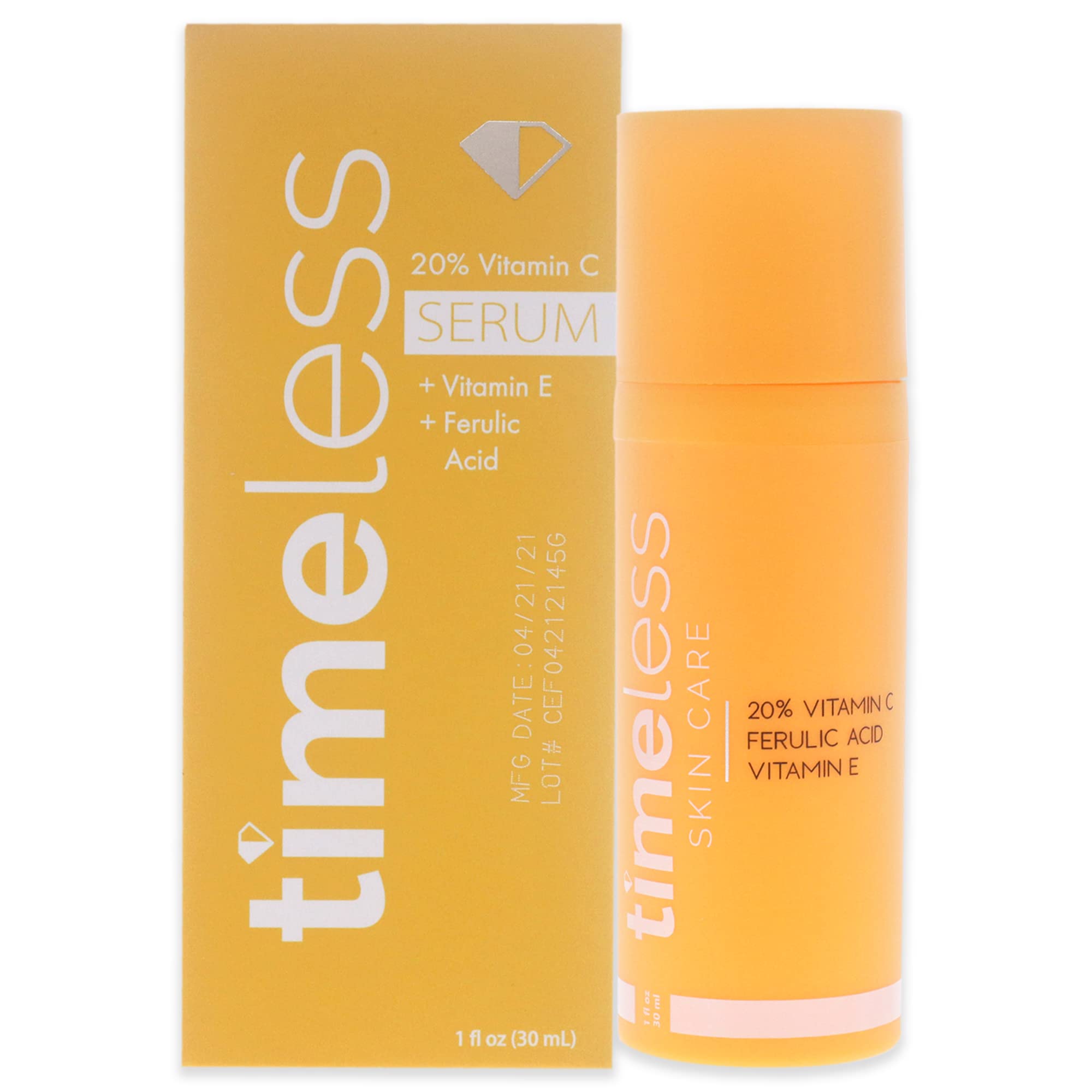
Vitamin C (specifically L-ascorbic acid) mops up free radicals generated by UV exposure and helps even out tone over time, which is why it's a morning ingredient, not a night one. It's also a bit finicky, since it needs a low pH to actually do its job, which is why pairings like vitamin C and niacinamide or vitamin C and glycolic acid get argued about constantly online. Most current formulations handle it fine, but if you're unsure about your specific products, it doesn't hurt to check.
Recommended Product
Timeless 20% Vitamin C + E Ferulic Acid Serum
A stable morning vitamin C that layers cleanly under sunscreen for antioxidant support and brighter tone.
Check price on AmazonAs an Amazon Associate we earn from qualifying purchases, at no extra cost to you.
Sunscreen Is Not Optional

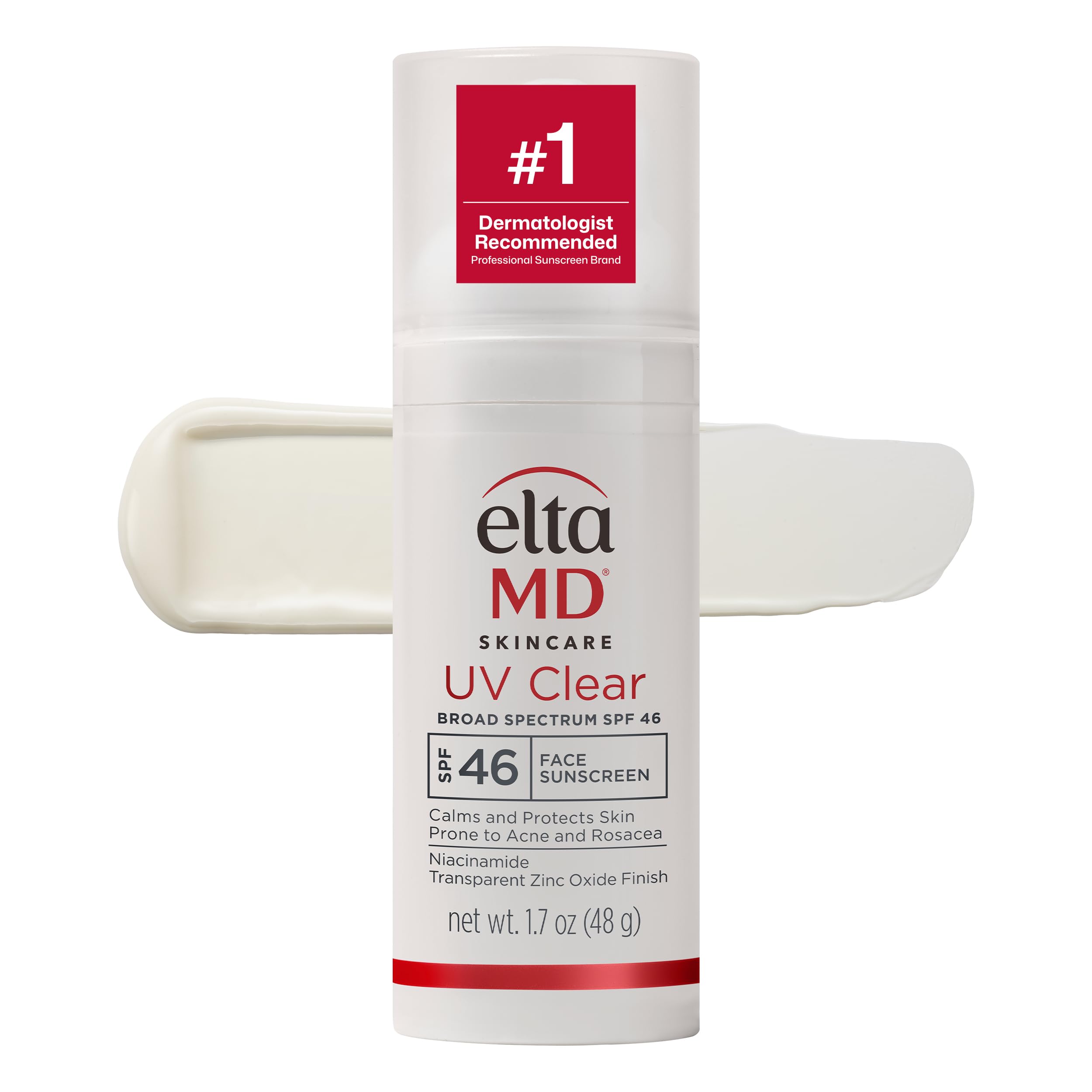
You can do everything else right and still undo it by skipping SPF. Broad-spectrum, SPF 30 or higher, every single day this one isn't negotiable. UV breaks down collagen and worsens dark spots even on days you don't burn, and reapplying every two hours outdoors matters just as much as the first application. People also tend to miss the same spots every time: ears, neck, tops of feet, hairline.
If you've never actually calculated what SPF level fits your skin tone and how much time you spend outside, the SPF Calculator does that in under a minute, mineral versus chemical included.
Recommended Product
EltaMD UV Clear Broad-Spectrum SPF 46
A lightweight broad-spectrum daily SPF that's easy to apply at a full dose without pilling or leaving a heavy cast.
Check price on AmazonAs an Amazon Associate we earn from qualifying purchases, at no extra cost to you.
A Dewy Finish From Makeup, If You Want It
Once your skin's actually doing well, a light-reflecting primer or cream highlighter can finish the look. It mimics that sun-kissed shine without any UV involved, and it comes off with your cleanser at the end of the day. It's about as low-risk as glow gets.
Putting It All Together
Most people don't fail at skincare because they pick bad products. They fail because they stack good products in the wrong order or at the wrong time of day. Vitamin C goes in the morning. Acids and retinoids go at night, since they make skin more sensitive to sun. If building that sequence yourself feels like a lot, the Routine Planner checks for conflicts and lays out your AM/PM steps automatically, and the Anti-Aging Regimen Builder adjusts things based on your age and how experienced you are with actives.
Healthy summer skin really comes down to a handful of things: hydration, antioxidant protection, gentle exfoliation, and sunscreen you actually reapply. Get the order and pairings right, and the glow shows up on its own no sun damage required.
This article is for educational purposes and isn't a substitute for advice from a board-certified dermatologist, particularly if you have a diagnosed skin condition.
Related guides
Written by me
Skincare Researcher & Founder of Skin Care Conflict
I built this site after a bad reaction from mixing two skincare ingredients I'd assumed were fine together.
When I went looking for answers, I found the same problem everywhere — plenty of opinions, very little explanation. Nobody telling me why two things shouldn't go on my face on the same night, or whether the serum at the back of my cabinet had gone off, or what a treatment should actually cost before walking into a clinic.
So I spent a long time reading formulation chemistry and published dermatology research, and built the ingredient checker I wanted when I needed it. Then I kept going, because the same gaps kept showing up — which is why there's now a routine planner, an expiry checker, a treatment cost estimator and several other tools.
Everything here is free, and it exists because I couldn't find it anywhere else. I'm not a dermatologist, and this site isn't a substitute for one. It's the resource I wish I'd had.
All articles on this site are written or reviewed for accuracy. For personalised advice, we always recommend consulting a qualified dermatologist.