

Ice Water Facial & Cryotherapy: The Ultimate Guide to Depuffing & Tightening
Does dunking your face in ice water actually work? We break down the science, safety risks, and step-by-step guide to at-home cryotherapy.
Medical Disclaimer
This article is for educational purposes only and is not a substitute for professional medical advice. Consult a dermatologist before trying cold therapy, especially if you have skin conditions.
Recommended For This
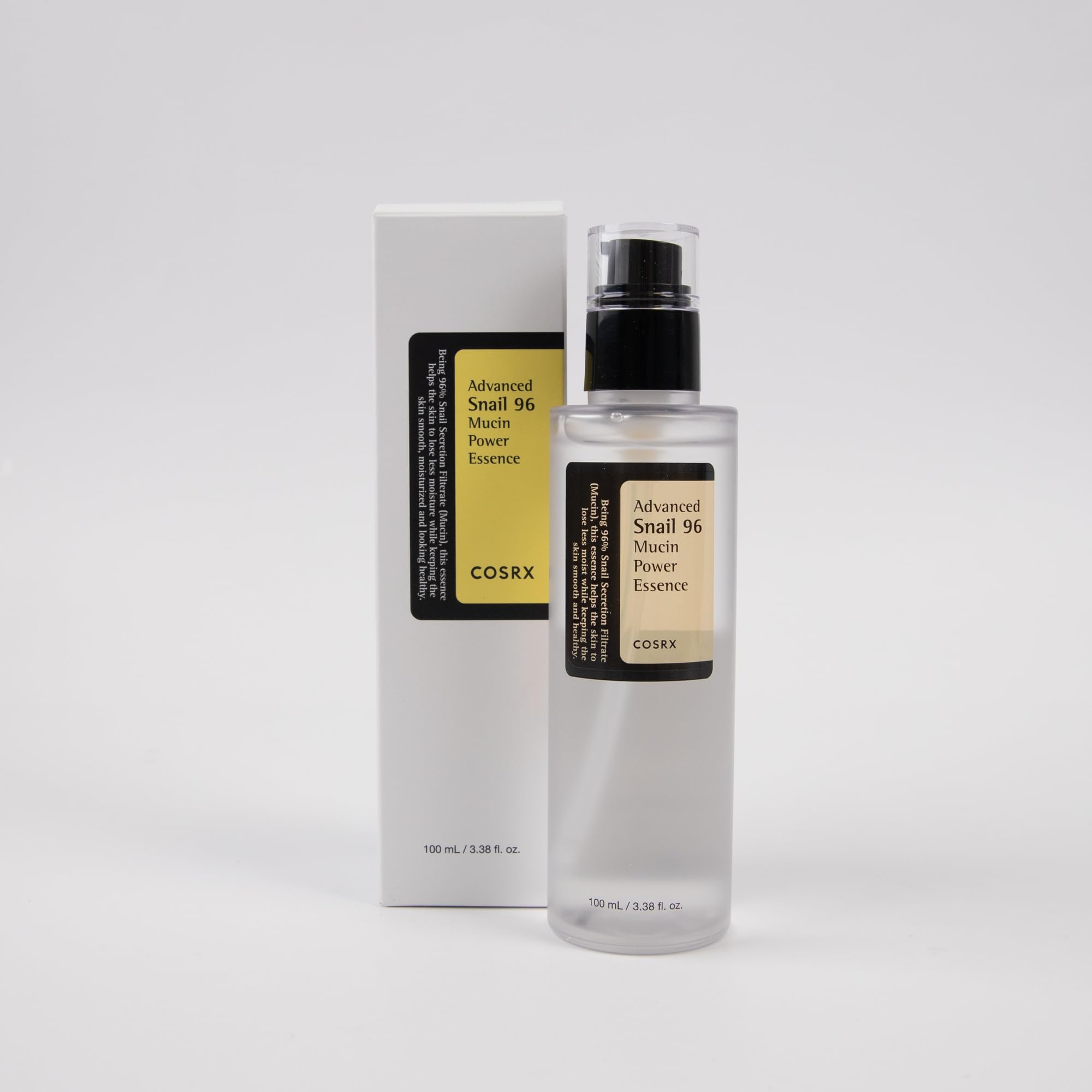
Follow an ice water facial with this calming, hydrating essence to lock in the benefits.
As an Amazon Associate we earn from qualifying purchases. This is at no extra cost to you.
Last updated: May 20, 2026
The "Bella Hadid" Ice Facial Trend
You've probably seen it on TikTok or Instagram: celebrities and influencers submerging their faces in bowls of ice water, claiming it's the secret to their sculpted, depuffed look. This technique, popularized by supermodels like Bella Hadid and Kate Moss, is a form of at-home cryotherapy.
The concept is simple: extreme cold causes vasoconstriction—your blood vessels temporarily narrow, reducing blood flow to the skin's surface. This creates an immediate tightening effect and reduces puffiness, especially around the eyes and jawline.
"I fill a sink with ice water and dunk my face in it. It's an old trick that tightens the skin and makes you look more awake instantly."
— Common celebrity skincare tip
The Science-Backed Benefits
Instant Depuffing (Lymphatic Drainage)
Cold temperatures stimulate lymphatic drainage, helping to flush out excess fluid that causes morning puffiness. This is why ice facials are especially popular as a pre-event prep technique—the results are immediate, though temporary (lasting 1-3 hours).
Reduces Inflammation (Great for Cystic Acne)
If you've ever applied a cold compress to a swollen pimple, you've experienced this. Cold therapy reduces blood flow to inflamed areas, calming angry, cystic breakouts. It won't cure acne, but it can significantly reduce redness and swelling.
Oil Control & Temporary Pore Tightening
Cold causes pores to temporarily constrict, creating a smoother skin texture. This also slows sebum production short-term, making it ideal for oily skin types before applying makeup. Note: This effect is temporary (15-30 minutes). For long-term pore refinement, use retinol or niacinamide.
Better Product Absorption
After cold exposure, blood rushes back to the skin (reactive hyperemia). This increased circulation may enhance the absorption of serums applied immediately after. Many aestheticians use cold globes before applying vitamin C or hyaluronic acid.
The Safety "Conflict": Who Should Avoid Ice Facials
Here's where SkincareSafe's expertise comes in. While ice facials are generally safe for most people, certain skin conditions make cold therapy dangerous.
Warning: Rosacea & Broken Capillaries
If you have rosacea, spider veins, or broken capillaries, extreme cold can cause permanent damage. The rapid constriction and dilation of fragile blood vessels can worsen visible veins and trigger rosacea flares. Avoid ice facials entirely.
Top Rated Products For This Routine
Snail mucin essence to repair and calm post-facial.
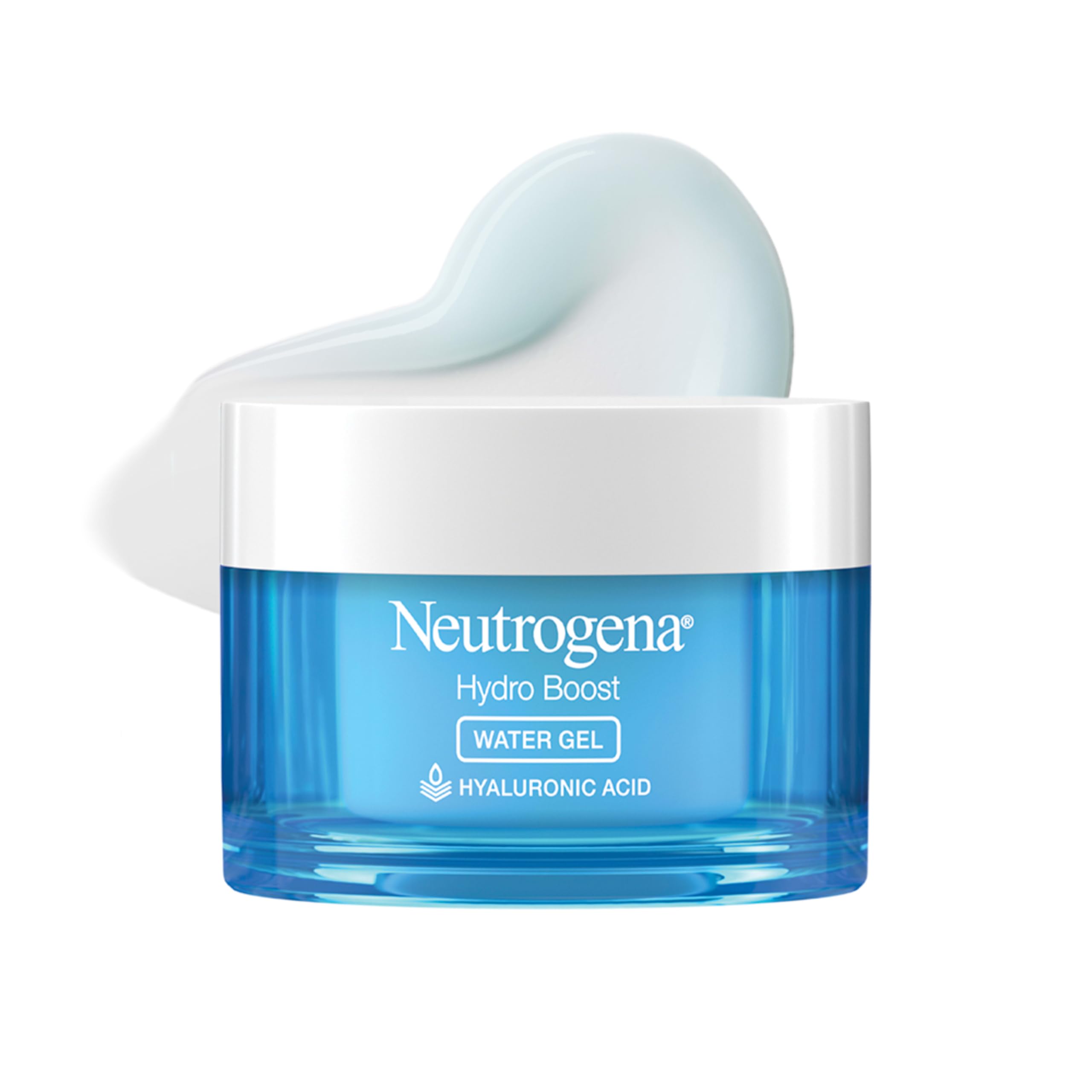
Lightweight moisturiser that seals in hydration after facial treatments.
As an Amazon Associate we earn from qualifying purchases. This is at no extra cost to you.
Warning: Never Apply Ice Directly
Direct ice-to-skin contact can cause ice burns (cryogenic burns) and frostbite-like damage. Always wrap ice in a cloth, use an ice roller, or opt for pre-chilled tools designed for facial use.
Caution: Time Limits
Never exceed 30 seconds of continuous cold exposure in one area. Prolonged cold can damage the skin barrier and cause irritation. Multiple short sessions (10-15 seconds) are safer than one long exposure.
How to Do an Ice Facial Safely: Step-by-Step
Cleanse Your Face
Start with a clean canvas. Use a gentle cleanser to remove makeup, sunscreen, and oils. Pat dry with a clean towel.
Prepare Your Cold Tool
Fill a bowl with ice water, or use a pre-chilled tool. For beginners, we recommend starting with an ice roller or cryo globes rather than full-face dunking.
Apply in Short Intervals
If dunking: Submerge for 10-15 seconds max, come up for air, repeat 2-3 times. If using tools: Glide in upward motions for 30 seconds per area, then move to the next zone.
Follow with Skincare
Immediately apply your serums while skin is still slightly damp. This is the perfect time for vitamin C + hyaluronic acid as absorption is enhanced post-cold therapy.
Moisturize & Protect
Seal everything with a moisturizer. If it's morning, always finish with SPF 30+. Cold therapy can temporarily sensitize skin to UV damage.
Tools We Recommend for At-Home Cryotherapy
Don't want to dunk your head in a bowl of ice water? These tools offer the same benefits with more precision and less mess.
Ice Roller for Face
Keep it in your freezer and roll for a mess-free, targeted massage. Perfect for under-eye depuffing and jawline sculpting.
View on Amazon →Cryo Globes / Cryo Sticks
Glass globes that fit the contours of your eyes and cheekbones perfectly. Used by professional aestheticians for a spa-like experience.
View on Amazon →Cooling Gel Face Mask
Pop it in the freezer for 30 minutes, then wear for full-face depuffing while you get ready. Great for morning routines.
View on Amazon →* As an Amazon Associate, we may earn from qualifying purchases. This doesn't affect our recommendations.
Complete Your Routine — Shop The Products We Recommend
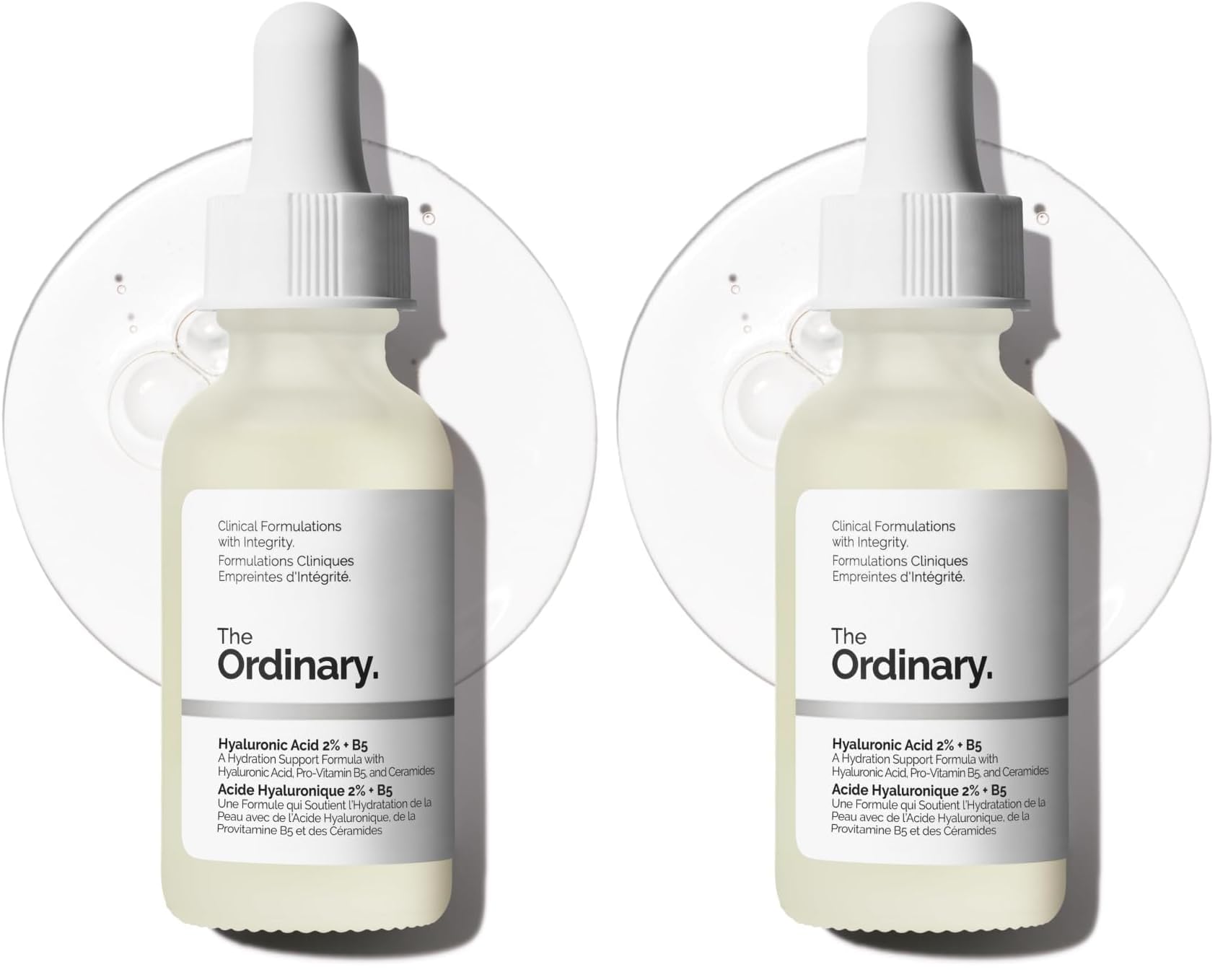 The Ordinary Hyaluronic Acid 2% + B5
Apply to damp skin immediately after for maximum hydration.
4.5View on AmazonAs an Amazon Associate we earn from qualifying purchases. This is at no extra cost to you.
Complete Your Routine — Shop The Products We Recommend
Apply to damp skin immediately after for maximum hydration.
As an Amazon Associate we earn from qualifying purchases. This is at no extra cost to you.
Does ice water really shrink pores permanently?
No, ice water only temporarily constricts pores by reducing blood flow. The effect lasts 15-30 minutes. For long-term pore refinement, consider retinoids or niacinamide.
How often should I do an ice water facial?
For most skin types, 2-3 times per week is safe. Sensitive skin should limit to once weekly. Never exceed 30 seconds of direct cold exposure per session.
Can ice facials help with acne?
Yes, cold therapy can reduce inflammation and redness from cystic acne. However, it won't treat the underlying cause. Combine with proper acne treatment for best results.
Is cryotherapy safe for all skin types?
No. Those with rosacea, broken capillaries, or extremely sensitive skin should avoid ice facials as extreme cold can worsen these conditions.
The Verdict: Is Ice Water Facial Worth It?
For most people, yes—ice facials offer real, albeit temporary, benefits for depuffing, inflammation reduction, and pre-event skin prep. The key is doing it safely: never exceed time limits, never apply ice directly, and know your skin type.
If you have rosacea, broken capillaries, or extremely sensitive skin, skip the ice and opt for gentler alternatives like a cool (not cold) jade roller.
Want to learn more about ingredient conflicts? Check out these guides: